





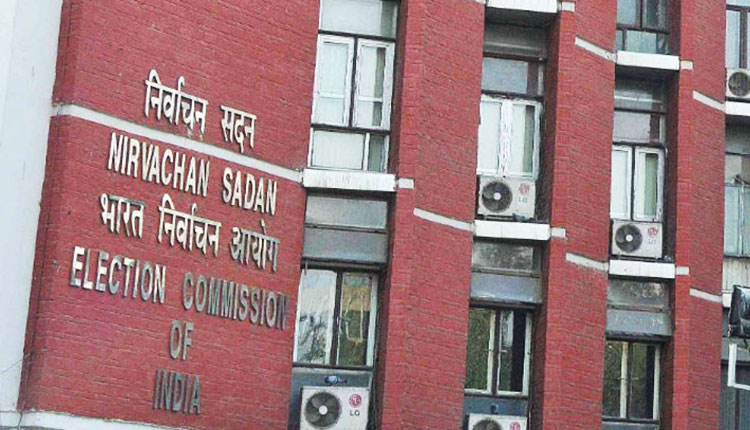
New Delhi: The Election Commission of India (ECI) on Monday filed an affidavit before the Supreme Court, firmly rejecting allegations of large-scale voter deletions in West Bengal during the ongoing Special Intensive Revision (SIR) of electoral rolls.
The affidavit was submitted ahead of the court’s hearing on petitions challenging the SIR process in the state on December 9.
The ECI said that claims of mass voter deletion were “grossly exaggerated” and were being amplified for “vested political interests”.
It asserted that the SIR is a constitutionally mandated and long-standing exercise aimed at ensuring the accuracy and integrity of electoral rolls, and not an extraordinary or arbitrary move.
Citing its constitutional responsibility, the Commission said that preparing a clean and updated voter list is integral to its mandate under Article 324 of the Constitution, as well as Sections 15, 21, and 23 of the Representation of the People Act, 1950.
The affidavit also referred to the Supreme Court’s landmark judgment in the T.N. Seshan case (1995), which underscored the Commission’s plenary powers and obligation to maintain accurate electoral rolls.
The ECI defended its June 24 and October 27 orders, which initiated the nationwide SIR, calling them both valid and essential.
It noted that rapid urbanisation and increasing internal migration over the past two decades have led to frequent changes in voter addresses, resulting in the risk of duplication or outdated entries. These trends, coupled with repeated complaints from political parties across several states, prompted the decision to undertake a pan-India Special Intensive Revision.
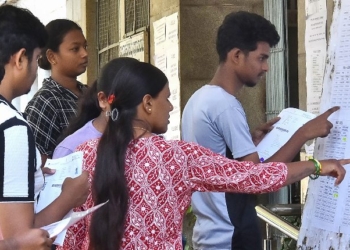
For West Bengal, the Commission said that 99.77 per cent of existing electors have received pre-filled enumeration forms and 70.14 per cent of the forms have already been returned. Booth Level Officers (BLOs) are conducting door-to-door verification.
It said that if a residence is found locked, BLOs must issue three mandatory notices before any deletion is considered. Special instructions have been issued to ensure that elderly, disabled, and vulnerable voters face no inconvenience.
The ECI emphasised that no voter can be removed from the rolls without following due process, and pointed out that the SIR guidelines themselves contain multiple safeguards to ensure transparency, fairness, and inclusiveness.
A bench of Chief Justice of India Surya Kant and Justice Joymalya Bagchi will hear the petitions challenging the West Bengal SIR on December 9.
(IANS)