



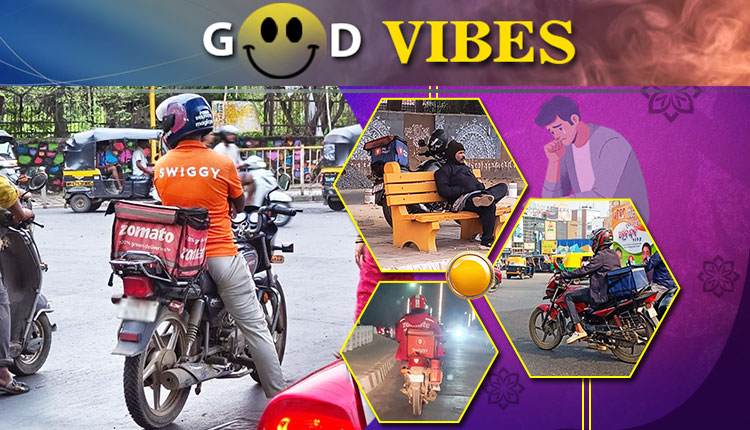
Bhubaneswar: Before the sun rises, ‘GIG WORKERS’ are already on the move. Drivers, delivery partners, and service workers work hard to keep our cities running, but their own lives are uncertain. Daily earnings go up and down, while fuel, vehicle maintenance, and platform fees quietly reduce what they make.
There is no paid leave, no insurance, no safety net—just long hours, traffic, and tight delivery targets, including unrealistic 10-minute deliveries. Many carry heavy personal burdens—lost parents, struggling families, or postponed dreams—yet they still smile for customers, even when they are exhausted.
They face accidents, payment issues, and losses quietly, while keeping the digital economy going. These workers are not strangers—they are someone’s son, brother, or father, carrying the weight of loved ones on their shoulders, struggling quietly for dignity, stability, and a future that seems forever out of reach
Life for gig workers in Odisha is tough too. Long days, uncertain pay, and constant pressure—especially the stress of meeting 10-minute delivery windows—are part of their daily reality. Here are the stories of three people living that life.
Stories of Survival
Sandeep Nayak (23) from Atharanala in Puri district, lost both his parents at a young age. After completing his diploma in electrical engineering, he worked in Visakhapatnam. Returning home, he found his house empty. Forced to start over, he moved to Bhubaneswar and began delivering food and offering ride services.
“Every day I wake up at 6 am and start working. By 9 pm, I am exhausted,” Sandeep said. “Traffic is heavy, signals are red, and yet we try to deliver within 10 minutes. If we do not, they deduct our payments. Many times, customers refuse to pay for their orders. It feels like we work for everyone else but not for ourselves.”
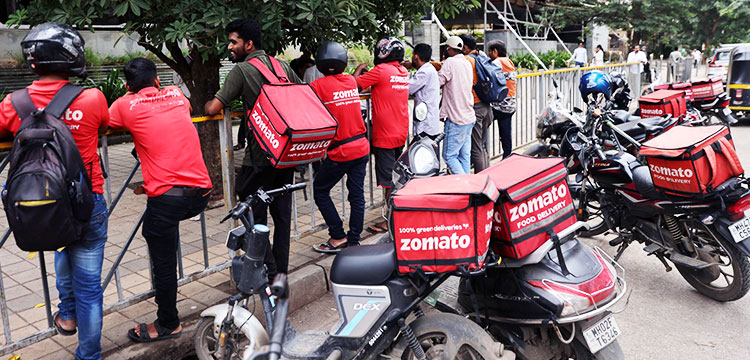
Satyapragyan Dash (26) from Radhakantapur village in Khordha district, turned to gig work after financial struggles forced him to give up preparing for government jobs. A graduate, he lives in a shared room in Bhubaneswar and works relentlessly through heat, rain, and cold.
“Even when things go wrong, we smile and try to deliver on time. Orders get canceled, packages arrive damaged, and platforms deduct money unfairly. Customers sometimes use abusive words, even when it’s not our fault,” said Dash.
Linkan Sahoo (29) from Bhanjanagar in Ganjam district, works 17–18 hours daily to support his family. He hopes to earn Rs 1,500–Rs1,700 a day, but often falls short. Account bans, penalties for late deliveries, and changing payments make life harder.
“I work all night sometimes to finish my tasks,” Linkan said. “We are called ‘partners,’ not employees. No paid leave, no insurance, no social security. Customers can cancel orders, and platforms deduct earnings unfairly. Meeting strict delivery deadlines, especially the 10-minute targets, adds immense pressure to every day, and we work without any safety net.”
Nationwide Strike
On December 31, 2025, gig workers across India held a nationwide strike, demanding fair wages, safer work conditions, and social security. Led by the Gig & Platform Services Workers Union (GIPSWU) and the Indian Federation of App-Based Transport Workers (IFAT), the strike included workers from Swiggy, Zomato, Flipkart, Zepto, Amazon, Blinkit, and others.
The unions submitted a memorandum to Labour Minister Mansukh Mandaviya, outlining 15 key demands: minimum guaranteed pay, removal of unsafe delivery expectations including 10-minute targets, social security benefits, recognition as formal workers, algorithm transparency, grievance redressal, and protection from retaliation. Platform responses have been minimal.
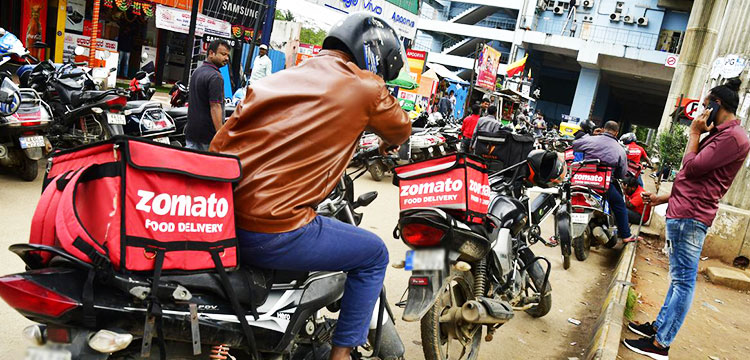
In Odisha, some workers continued delivering on strike day after platforms offered temporary incentives. “We are delivering essentials for New Year’s Eve—food, groceries, desserts,” they said.
Support from Leaders
The strike drew political attention. Raghav Chadha (AAP Rajya Sabha MP) spent New Year’s Eve with striking workers, calling their demands “legitimate and just.” He said, “Workers are not robots. They deserve fair pay, safe working conditions, dignity, and social security.”
Manoj Kumar Jha (RJD Rajya Sabha MP) wrote to Prime Minister Narendra Modi, highlighting long hours, unsafe delivery models, declining pay, and opaque algorithms. He criticised arbitrary account bans and police pressure on protesting workers, calling them attacks on the constitutional right to organise and dissent.
The Human Cost
For Sandeep, Satyapragyan, and Linkan, the gig economy is less about freedom and more about survival. Days stretch from dawn to late night, battling traffic, rain, and heat.
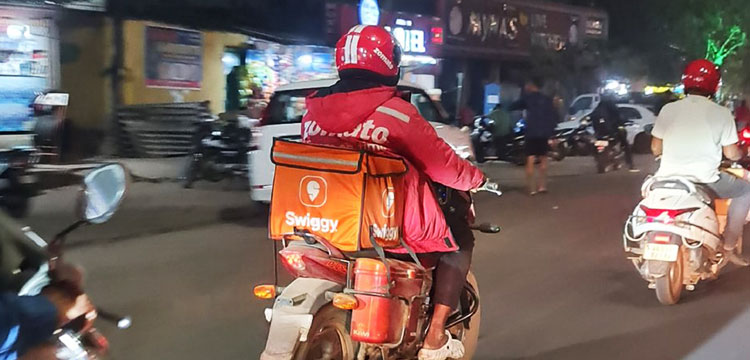
Yet, they persist, hoping for stability, dignity, and a future that respects their labor. Across India, gig workers are reminding the world that behind every app-driven convenience are real people making immense personal sacrifices.
Conclusion
These stories underscore the urgent need for fair pay, safe working conditions, and social protection for gig workers. The nationwide strike sends a clear message: the workforce powering India’s digital economy must be recognised, supported, and protected. Convenience for consumers cannot come at the cost of human dignity.