





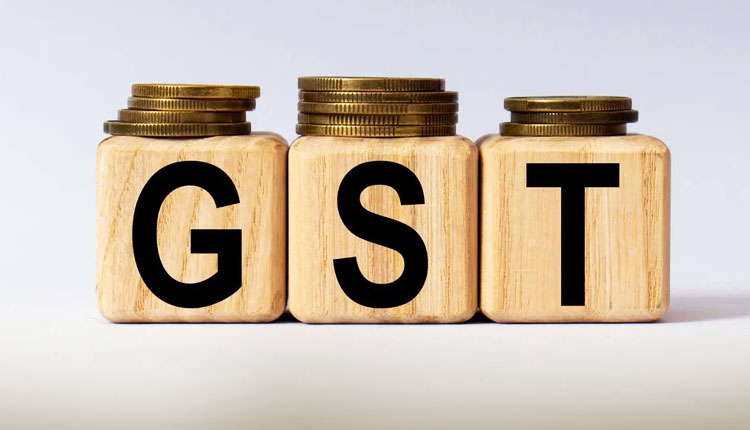
New Delhi: Despite the steep cut in GST rates, a growth of over 6 per cent in gross monthly collection in December is encouraging, industry experts said on Thursday.
India’s GST (goods and services tax) collection recorded a 6.1 per cent increase to Rs 1,74,550 crore in December 2025 compared to Rs 1,64,556 crore the same month of the previous year, reflecting the increase in economic activity during the month.
“If this momentum continues for the remaining months of this fiscal, the YoY growth of around 9 per cent is still possible, which seems to be the target government might also be looking at,” said Pratik Jain, partner, Price Waterhouse & Co LLP.
Central GST collections in December rose to Rs 34,289 crore, state GST collections to Rs 41,368 crore, and integrated GST collections to Rs 98,894 crore.
According to Manoj Mishra, Partner and Tax Controversy Management Leader, Grant Thornton Bharat, December GST numbers reinforce the structural strength of India’s formal economy — an encouraging signal as India consolidates its position as the world’s 4th largest economy, surpassing Japan.
“The composition of collections is equally telling with import-related IGST growth of 19.7 per cent points to resilient supply chains and manufacturing momentum, while steady domestic collections reflect stable consumption,” he mentioned.
The standout metric remains refunds at Rs 28,980 crore, up 30.9 per cent YoY, underscoring the system’s growing emphasis on business liquidity, even as export refunds saw only a marginal 1.9 per cent dip amid global trade softness.
Strong contributions from Maharashtra, Gujarat, Karnataka and Haryana continue to anchor revenues.
The government raised Rs 4,551 crore via the GST compensation cess, which is continuing only as a transitory arrangement till the entire loan and interest liability are settled. The full-year collection was Rs 88,385 crore, compared to Rs 1.1 lakh crore in 2024.
“As Budget 2026–27 approaches, these trends strengthen the case for policy focus on building on the GST 2.0 reforms focusing on end-to-end automation of compliances, reduction of unwarranted litigation and calibrated credit framework to sustain growth without compromising revenue certainty,” said Mishra.
(IANS)