





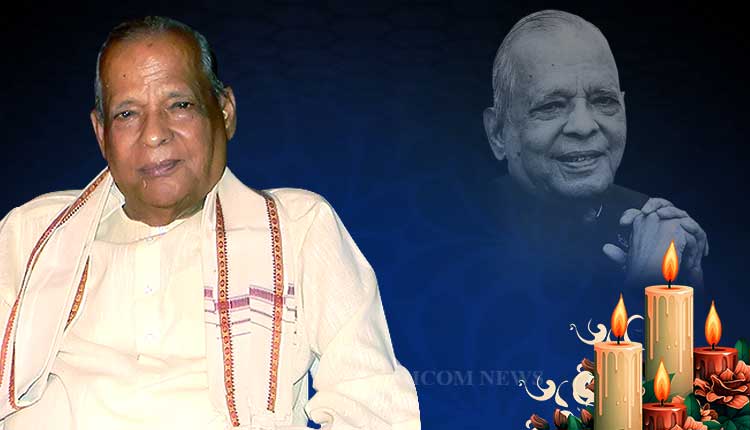
January 3 remains a significant day for Odisha, commemorating the birth anniversary of Janaki Ballav Patnaik, a leader who embodied the aspirations of the people. His tenure as Chief Minister was marked by pivotal decisions that fortified Odisha’s institutional framework, leaving a lasting impact on the state.
Popularly known as JB Patnaik, he served three terms as the Chief Minister of Odisha, first from 1980 to 1989 and again from 1995 to 1999.
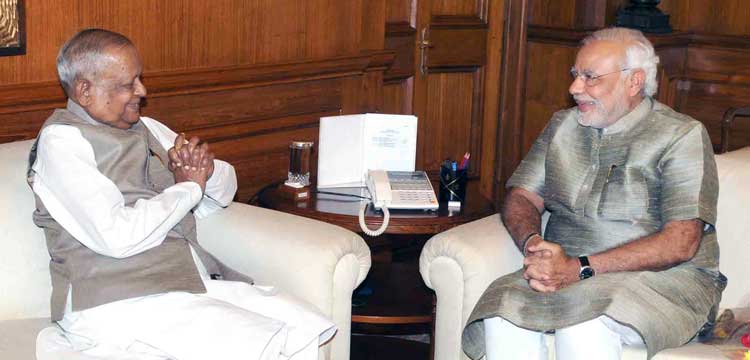
JB Patnaik’s contributions went beyond state governance. He held significant positions at the national level, including Union Minister for Tourism, Civil Aviation, and Labour, and later served as the Governor of Assam from 2009 to 2014.
A distinguished scholar of Sanskrit and Odia literature, JB Patnaik was known for translating the Mahabharata, the Ramayana, and the Bhagavad Gita into his mother tongue. Besides, his love for literature and language was reflected in his introduction of Odia as the medium of official communication in Odisha.
As we mark his birth centenary, Ommcom News remembers JB Patnaik as a leader who dedicated his life to the service of the people, leaving behind a legacy that will inspire generations to come.
Born into a humble Karan family, Janaki Ballav Patnaik’s roots were deeply embedded in Odisha’s soil. His father, Gokulananda Patnaik, was a respected writer and teacher who instilled in him a love for learning. JB Patnaik’s educational journey took him from Khurda High School to Utkal University, where he graduated with honours in Sanskrit in 1947. He further pursued his master’s degree in political science from Banaras Hindu University in 1949. In 1953, he married Jayanti Patnaik, a remarkable woman who went on to become a four-time Member of Parliament and the first Chairperson of the National Commission for Women.
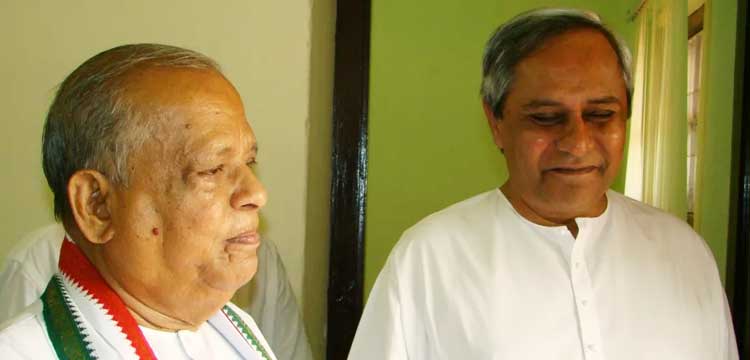
After JB Patnaik took the helm as Odisha’s chief minister in 1980, he catapulted Odisha into a new era, transforming the lives of its people. From infrastructure marvels like Cuttack’s Ring Road and flyover to empowering women through education, his 14-year tenure was marked by game-changing initiatives. He declared hotels as industries, promoted the Odia language, and championed environmental conservation, creating reserve forests to safeguard the ecosystem.
That’s not all. Being a visionary leader, JB Patnaik recognised the potential of IT and brought tech companies to Bhubaneswar, setting the stage for the city’s growth as a hub. His foresight led to the establishment of XIMB, a premier business school. That apart, a planetarium was set up during his tenure, and it was JB who insisted on naming it after Pathani Samanta, author of Siddhanta Darpan and the famous 19th-century astronomer from Odisha.
Besides, he had the credit of transforming the vast field opposite the secretariat, where Indira Gandhi addressed her last public rally, into a lush green park – a tranquil escape from the city’s chaos.
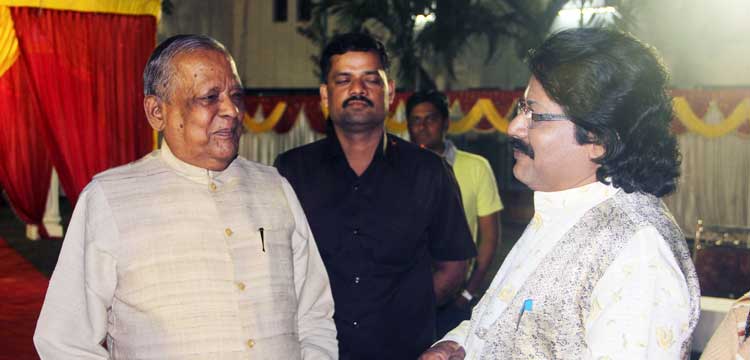
Agriculture was another area where he made significant strides. The Upper Indravati Project in Kalahandi district, launched during his tenure, transformed the region’s landscape, bringing the green revolution to this once-backward area. He pioneered the affordable rice scheme, making rice available at Rs 2 per kg in the Koraput district, a move that brought relief to countless underprivileged families.
Without exaggeration, we can say that JB Patnaik is a giant in Odisha politics, leaving behind a legacy that continues to shape the state and the nation.