





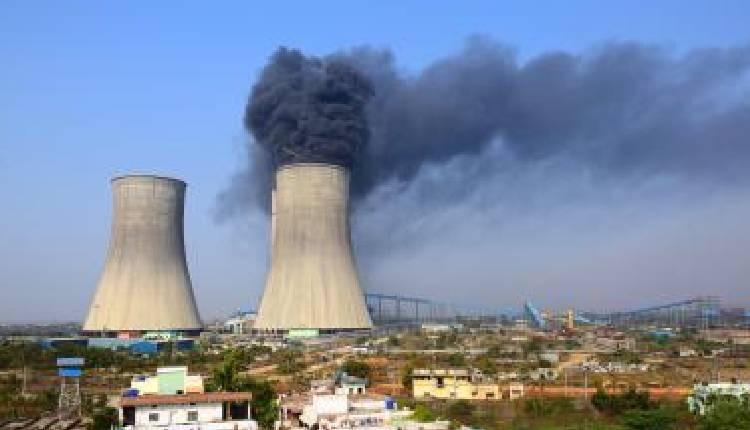
New Delhi: Bangladesh’s loss-making power sector, which is heavily dependent on fossil fuels, has emerged as the main cause of pollution in the country, apart from being a drag on the economy, as per local media reports.
The Bangladesh Working Group on Ecology and Development (BWGED) presented a 13-point citizen manifesto for a “just transition in the energy sector”. The transition to renewable energy has clearly become essential given the increasing environmental pollution (especially carbon emissions) caused by fossil fuel plants, which contribute 28 per cent to the country’s air pollution, according to a report in Bangladeshi newspaper The Daily Star.
“The huge financial burden of our overdependence on fossil fuels and their imports is another compelling factor that demands such a transition. The country spends around $18.5 billion in capacity charges and an additional $27.23 billion in losses sustained by the Bangladesh Power Development Board (BPDB),” the report cited the BWGED as saying.
Meanwhile, the annual expenditure on fossil fuel imports is around $11.72 billion, which is a huge strain on the country’s foreign exchange reserves, the news report stated.
At the same time, subsidies for coal, gas, and fuel need to be phased out to encourage industries, businesses, and households to shift rapidly to cost-effective renewable energy. No new coal, gas, or oil-based plants should be approved, and workers of retired plants must receive guaranteed alternative livelihood opportunities. No new LNG terminals should be approved, with strict measures to prevent gas leakage and illegal connections, as per the manifesto, the report further stated.
A clear roadmap is needed for this transition, with time-bound targets integrated into all national and sectoral plans. There must be significant budget allocations for renewable energy. VAT and import duties on solar panels and related equipment have to be removed. The transport sector is one of the biggest polluters, which must be addressed.
The BWGED’s citizen manifesto also demands significant reductions in import duties and taxes on electric vehicles and zero duties on advanced batteries. This includes public buses and other modes of transport. A “just transition” includes everyone—in particular women, indigenous communities, farmers, fishers, workers, and the poor. Thus, new green jobs must be created by providing short-term training and easy loan access, especially for the unemployed youth, women, and other marginalised groups. Land acquisition for energy projects must be prohibited to protect agricultural livelihoods. Special incentives must be given to farmers for using renewable energy.
The citizen manifesto has given a clear direction for the next government for the country’s smooth transition to renewable energy that will eventually reduce the country’s financial burden and carbon footprint. Political parties must realise that committing to these demands and living up to them, if they form part of the next government, is imperative for Bangladesh’s economic and environmental resilience, the article added.
(IANS)