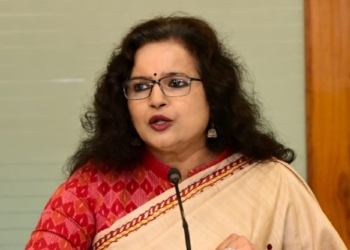






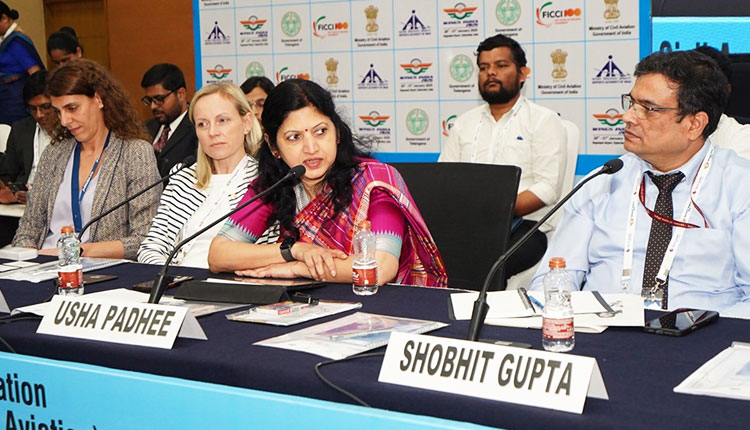
Bhubaneswar: On her final day in the Commerce & Transport Department, Odisha moved just as it always has—buses rolled out at dawn, aircraft lifted off on time, highways carried their steady rhythm of journeys, and trade flowed along the coastline. Yet beneath this familiar motion, a quiet and heartfelt chapter of leadership drew to a close. For Usha Padhee, transport was never merely about infrastructure or regulation; it was about people, possibilities, and the dignity of reaching one’s destination with safety, ease, and hope.
From the strengthening of Mukhyamantri Bus Seva to the creation of commuter-friendly Atal Bus Stands, mobility in Odisha evolved into something more dependable, humane, and citizen-centric—touching millions of daily lives in ways often unseen, yet deeply felt.
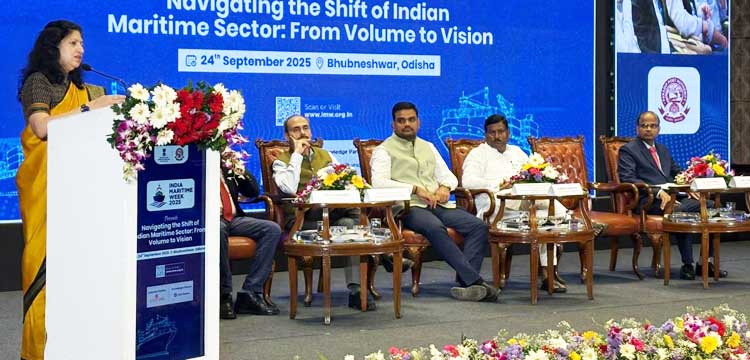
Through AMA Suvahak (Atmanirbhar Mahila Suvahak), women stepped confidently into the transport workforce, reshaping livelihoods and quietly challenging long-held social norms. At the same time, “Come Home Safe” transformed road safety into a shared social promise—one that spoke not only through systems and data, but through the silent reassurance of families waiting for their loved ones each evening.
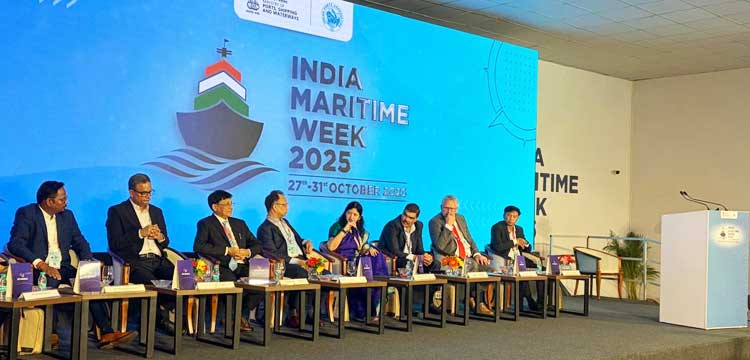
Odisha’s skies reflected the same forward-looking resolve. Guided by the New Destination Policy under B-MAAN (Building and Management of Aviation Assets & Network) and the vision for a robust MRO (Maintenance, Repair & Overhaul) ecosystem, aviation became more than connectivity—it became a gateway to skills, employment, and balanced regional opportunity. Drawing upon her deep aviation experience at the Government of India level, Odisha reshaped its aviation ecosystem and emerged as a pioneering state—positioning itself not merely as a participant, but as a leader in regional aviation growth. The aspirational push to enable tribal girls and women to train as pilots further signaled a future where the skies would belong to every dreamer, not just a privileged few.
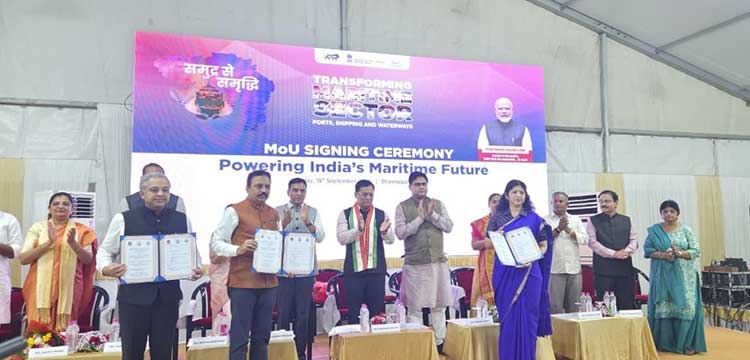
This transformation was strengthened by partnerships with industry for specialised skilling through CTI (Crew Training Institute) and OMA (Odisha Maritime Academy) initiatives, the creation of dedicated SPVs to accelerate infrastructure and operational efficiency, and the operationalisation of National Waterway-5, long dormant but brought back into momentum—eventually finding a place in the Union Budget announcement by the Finance Minister. Along the coastline, the vision for Bahuda Port complemented this progress, weaving road, rail, air, and maritime ambitions into one integrated and future-ready framework.

Together, these initiatives form more than an administrative legacy; they represent a journey where movement gained meaning, governance inspired confidence, and progress carried a distinctly human touch. The roads will continue to stretch forward, the skies will remain open, and the currents of trade will keep flowing—carrying Odisha toward a future that is more connected, more inclusive, and filled with possibilities for every traveler who sets out on its path.