






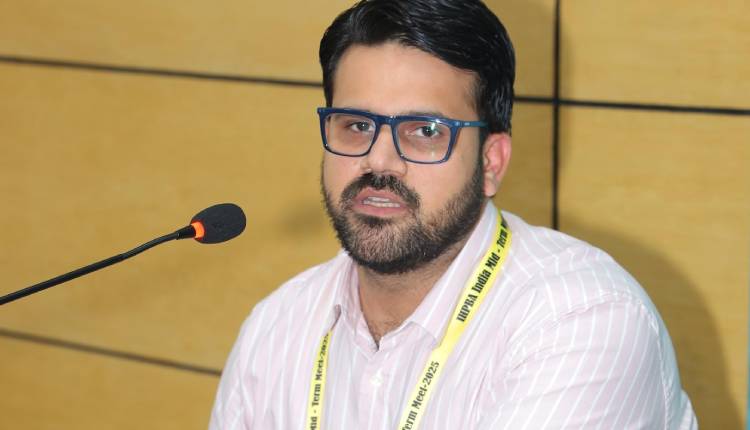
New Delhi: Observed every March, Colorectal Cancer Awareness Month aims to highlight the growing burden of cancers affecting the colon and rectum. On this occasion, Dr. Kartik Sahni, Cancer Specialist at Rajiv Gandhi Cancer Institute, stressed the urgent need for awareness, early screening, and lifestyle modification to reduce mortality linked to colorectal cancer.
“Colorectal cancer includes cancers of both the colon and the rectum. Many people assume it is a disease of the elderly, but we are increasingly diagnosing younger patients as well,” Dr. Sahni said. “The key challenge is that early symptoms are subtle and often ignored.”
According to Dr. Sahni, changing dietary habits, low fibre intake, obesity, smoking, alcohol consumption, lack of physical activity, and a family history of cancer are major risk factors.
“In urban India, in particular, we are witnessing a steady rise in colorectal cancer cases. Unfortunately, many patients present at advanced stages,” he noted.
Dr. Sahni advised people to seek medical consultation if they experience:
-
Persistent changes in bowel habits (diarrhoea or constipation)
-
Blood in the stool
-
A feeling of incomplete bowel evacuation
-
Unexplained weight loss
-
Ongoing abdominal discomfort or fatigue
“These symptoms lasting more than two weeks should not be dismissed as routine gastric problems,” he cautioned.
In advanced colorectal cancer, chemotherapy may be required before surgery can be performed, and the procedure may involve removal of the affected segment of the colon or rectum.
“In some patients, especially when the disease is advanced and the patient presents with intestinal obstruction, we may have to perform a colostomy,” Dr. Sahni explained. “This involves creating a stoma on the abdominal wall through which stool passes into a specially designed external bag.”
He added, “Living with a colostomy bag, where waste is collected, can be emotionally distressing initially. However, with proper stoma care education, counselling, and modern appliances, patients can return to work, travel, and lead a near-normal life.”
Dr. Sahni strongly recommends screening colonoscopy beginning at 45 years of age, or earlier for individuals with a family history of colorectal cancer.
“Screening allows for the detection and removal of pre-cancerous polyps before they develop into cancer. Early-stage colorectal cancer has significantly better survival outcomes,” he said.
Experts emphasise that prevention plays a crucial role.
“A high-fibre diet rich in fruits and vegetables, regular exercise, maintaining a healthy weight, avoiding tobacco, and limiting alcohol intake can substantially reduce the risk,” Dr. Sahni advised.
Marking Colorectal Cancer Awareness Month, he concluded, “Awareness, timely screening, and informed choices can prevent unnecessary suffering. Colorectal cancer is treatable—especially when detected early.”