





Wednesday: The United States may deploy naval escorts for oil tankers passing through the Strait of Hormuz if necessary, the White House have said, as the conflict with Iran raises concerns about global energy supplies and shipping security in one of the world’s most critical maritime corridors.
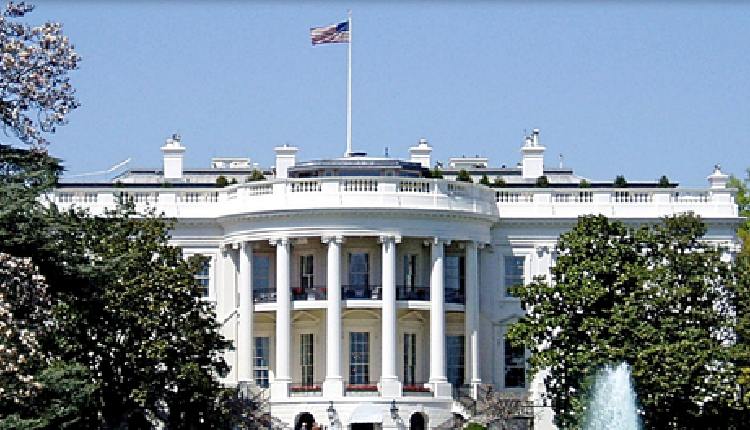
Speaking at a White House briefing on Wednesday (local time), Press Secretary Karoline Leavitt said that the administration was closely monitoring oil markets and maritime traffic as Operation Epic Fury continues against Iran.
She said President Donald Trump had already taken steps to stabilise energy markets and protect shipping in the Gulf region.
“Yesterday, President Trump announced the US Development Finance Corporation will provide political risk insurance at a very reasonable price for crude carriers and cargo ships operating in and around the Gulf,” Leavitt told reporters.
She added that the United States Navy could also intervene directly if shipping security deteriorates.
“As you pointed out, the president said if necessary and when appropriate, the US Navy will begin escorting tankers through the Strait of Hormuz,” she said.
The move is aimed at preventing disruptions to global oil flows as the conflict with Iran intensifies.
Leavitt noted that the waterway plays a central role in global energy markets.
“The Strait of Hormuz… controls 20 per cent of the world’s global oil supply,” she said.
The White House said the administration was working with its economic and energy teams to minimise the economic impact of the conflict.
“With respect to oil prices and the economy here at home, of course, this is something that (Treasury) Secretary (Scott) Bessent, (Energy) Secretary (Chris) Wright, the National Economic Council of Energy that is led by (Doug) Burgum has been long working on well in advance,” Leavitt said.
She added that US officials believed the economy could absorb temporary shocks from the conflict.
“It is the president’s belief and his economic team’s belief that the economy continues to be very strong. It’s robust and will be able to weather any of the temporary impacts of Operation Epic Fury,” she said.
The White House also stated that recent actions against Iran could ultimately improve the stability of global energy markets.
Leavitt argued that the conflict would reduce Tehran’s ability to influence shipping through the strategic waterway.
“I think it speaks to why this action was so necessary that ultimately the energy industry is going to benefit from the president’s actions with respect to Iran,” she said.
She added that Iran would no longer be able to threaten shipping through the region.
“Iran will no longer be controlling the Strait of Hormuz and restricting the free flow of energy,” she said.
Oil prices briefly rose after the conflict broke out, raising concerns about inflation and fuel costs in major importing countries.
However, the White House said markets had stabilised after the administration announced measures to secure maritime energy routes.
“Crude oil prices did fall yesterday. They remain stable today after the president announced steps to ensure the stability in global energy markets,” Leavitt said.
The Strait of Hormuz lies between Iran and Oman and connects the Persian Gulf to global sea lanes. It is widely regarded as the most important oil transit chokepoint in the world.
(IANS)