





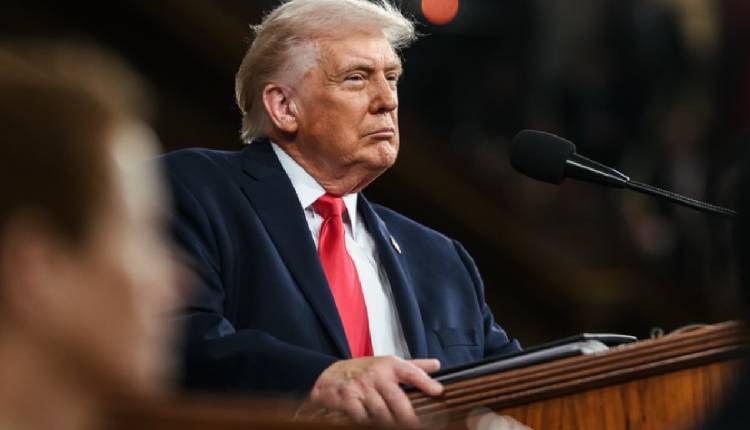
Washington: Global markets rallied after President Donald Trump signalled a pause in strikes on Iran, but analysts warned that the underlying energy crisis remains unresolved.
Stocks surged, and oil prices fell sharply after Trump said the United States was holding talks with Iran. The S&P 500 and Dow Jones Industrial Average both rose more than 1 percent, while Brent crude dropped below $100 a barrel, The Washington Post reported.
The Wall Street Journal reported that markets reversed course within minutes of Trump’s social media post. Oil prices fell from above $112 a barrel to below $100, while stock futures swung from losses to gains.
Investors welcomed signs of a possible diplomatic path. Many had feared a prolonged conflict that could further disrupt global energy supplies.
However, the optimism may be premature. The New York Times reported that similar market rallies earlier in the conflict faded quickly after fresh attacks and renewed tensions.
Analysts said the current rally reflects expectations rather than confirmed developments on the ground. There is still no clear evidence of direct negotiations between Washington and Tehran.
The deeper concern is the scale of the energy shock. The New York Times, citing the International Energy Agency, reported that the disruption caused by the war is worse than the combined oil shocks of the 1970s.
The agency said global oil supply has dropped by around 11 million barrels a day since the conflict began. Prices remain volatile despite the recent fall.
Much of the risk centres on the Strait of Hormuz. Around 30 per cent of global crude passes through the route. Iran has threatened to disrupt shipping, raising fears of further supply shocks.
Even if fighting slows, experts say the damage to energy systems could take time to repair. The International Energy Agency warned that markets may not stabilise quickly even if the war ends soon.
The Wall Street Journal also noted that traders remain cautious. Some investors said the rally was driven more by hope than by any lasting change in fundamentals.
Uncertainty over Iran’s nuclear programme and the risk of renewed strikes continue to weigh on the longer-term outlook.
For India, the stakes are high. The country depends heavily on crude imports from the Gulf. Any sustained disruption could push up fuel prices and inflation.
A prolonged crisis could also affect global growth, trade flows, and currency stability. Even as markets react to short-term signals, the broader economic risks remain.
(IANS)