
New Delhi: The International Monetary Fund (IMF) has said the ongoing US-Israel and Iran war could shape the global economy in different ways — all roads leading to higher prices and slower growth.
The IMF said the war in the Middle East is upending lives and livelihoods in the region and beyond.
“It is also dimming the outlook for many economies that had only just shown signs of a sustained recovery from previous crises. The shock is global, yet asymmetric. Energy importers are more exposed than exporters, poorer countries more than richer ones, and those with meagre buffers more than those with ample reserves,” the global agency said in a blog post.
Large energy importers in Asia and Europe are bearing the brunt of higher fuel and input costs: about 25 to 30 per cent of global oil and 20 percent of liquefied natural gas pass through the Strait of Hormuz, feeding demand not only in Asia but also in parts of Europe.
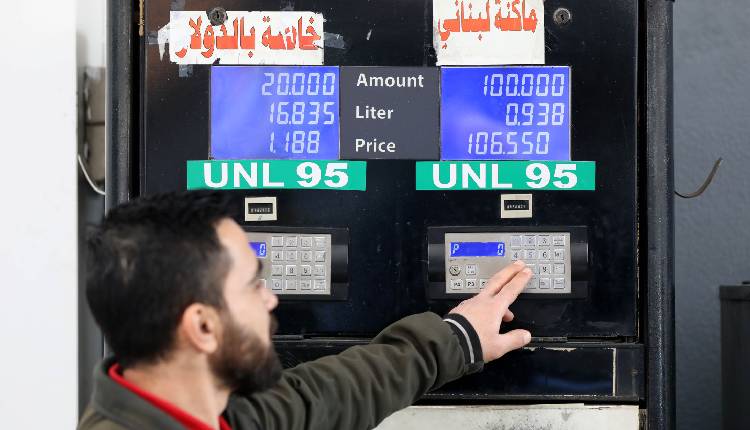
Economies heavily dependent on oil imports in Africa and Asia are finding it increasingly hard to access the supplies they need, even at inflated prices, said the IMF.
“Parts of the Middle East, Africa, Asia-Pacific, and Latin America face the added strain of higher food and fertiliser prices and tighter financial conditions. Low-income countries are especially at risk of food insecurity; some may need more external support — even as such assistance has been declining,” it cautioned.
A short conflict might send oil and gas prices soaring before markets adjust, while a long one could keep energy expensive and strain countries that rely on imports.
“The multi-regional impact is apparent. Energy‑importing economies in Africa, the Middle East and Latin America are feeling the strain from higher import bills on top of already limited fiscal space and external buffers,” it added.
In Asia’s large manufacturing economies, higher fuel and power bills are raising production costs and squeezing people’s purchasing power; in some, balance‑of‑payments pressures are already weighing on currencies.
In Europe, the shock is reviving the spectre of the 2021–22 gas crisis, with countries such as Italy and the United Kingdom especially exposed by their reliance on gas‑fired power, while France and Spain are relatively protected by their greater nuclear and renewables capacity.
The war is also reshaping supply chains for non-energy and critical inputs.
Rerouting tankers and container ships raises freight and insurance costs and lengthens delivery times. Air‑traffic disruptions around key Gulf hubs impact global tourism while adding another layer of complexity to trade, the IMF noted.
The Gulf supplies a large share of the world’s helium, used in a vast array of products from semiconductors to medical imaging devices.
Indonesia, which provides roughly half of global nickel — a key component in electric‑vehicle batteries — could face a shortage of sulfur needed to process the metal.
Eastern African economies that depend on trade links with and remittances from Gulf countries face weaker demand for their services exports, logistical bottlenecks and reduced remittances.
If elevated energy and food prices persist, they will fuel inflation worldwide, warned the IMF.
Finally, the war has unsettled financial markets. Global stock prices have declined, bond yields have risen across major advanced economies and many emerging markets, and volatility has increased. The market sell-off has so far been contained compared with past global shocks. Nonetheless, these moves have tightened financial conditions worldwide.
“To manage the shock and maintain resilience, it is, therefore, more important than ever that countries adopt appropriate policies. Measures need to be carefully calibrated to country-specific needs. Countries with limited reserves and little fiscal room to maneuver should be especially cautious,” the IMF said.
As Managing Director Kristalina Georgieva has said: “In an uncertain world, more countries are needing more of our support. We are there for them.”
(IANS)