





New Delhi: Amid the evolving situation in West Asia, the government on Saturday said that 5 kg LPG cylinders are available at distributors on showing a valid ID without the need for address proof.
The Government said it is taking comprehensive steps to ensure smooth availability of fuel and energy supplies, even as tensions in West Asia and the closure of the Strait of Hormuz raise concerns over global energy flows.
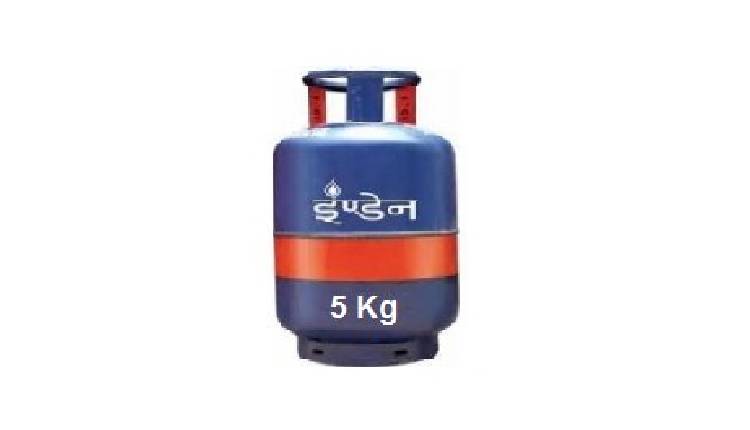
“The 5 Kg FTL cylinders are available at nearby LPG Distributorships and can be purchased by showing any valid ID proofs. No address proof is required,” the Ministry of Petroleum and Natural Gas said.
Officials said this move is aimed at improving access to cooking fuel, especially for migrant workers and those who may not have local address documents.
Since March 23, around 5.7 lakh such cylinders have already been sold, with over 71,000 units sold in a single day recently.
The Ministry emphasised that there is no shortage of petrol, diesel or LPG in the country and urged citizens not to panic buy.
It said all retail fuel outlets are operating normally and adequate stocks are available nationwide, despite reports of heavy rush at some petrol pumps driven by rumours.
To maintain supply stability, the government has increased domestic LPG production, ensured refineries are running at high capacity, and prioritised fuel supply for households, hospitals and essential services.
At the same time, several demand-side measures have been introduced, including extending the LPG booking cycle and promoting alternative fuels like PNG, kerosene and electric cooking options.
“States have been advised to facilitate the new PNG connections for both domestic and commercial consumers,” the ministry explained.
The government has also stepped up monitoring to curb hoarding and black marketing. More than 3,700 raids were conducted recently, and strict action has been taken against erring LPG distributors, including suspension of licences.
Officials said state governments have been empowered under the Essential Commodities Act to take action against violations and have been asked to conduct regular inspections and public briefings.
(IANS)