





New Delhi: India’s retail inflation rate, based on the new Consumer Price Index (CPI) series, was recorded at 3.48 per cent in April compared to the same month of the previous year, according to data released by the Ministry of Statistics on Tuesday.
The commodities that posted the highest inflation during the month were silver jewellery, which saw a 144.34 per cent jump in prices and gold jewellery, which clocked a 40.72 per cent increase in prices.
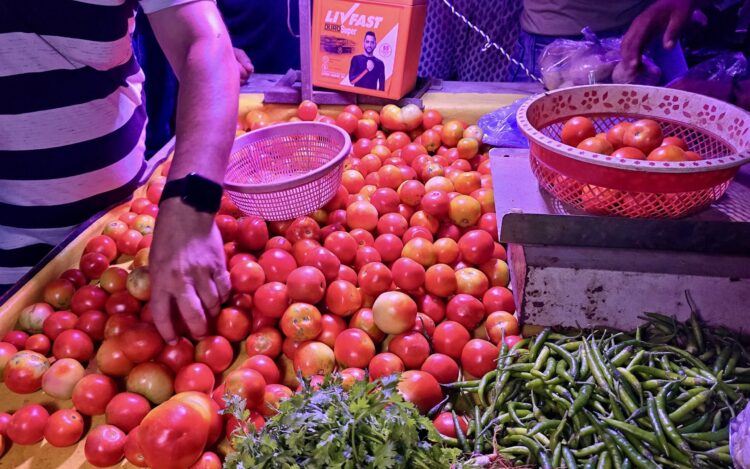
Overall food inflation in April stood at 4.2 per cent as the prices of potatoes plummeted by as much as 23.69 per cent during the month, while onions turned cheaper by 17.67 per cent. The prices of chickpea and peas also declined during the month. However, tomato prices shot up by 35.28 per cent, the figures showed.
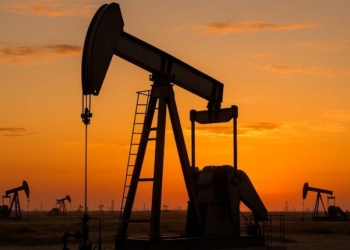
The inflation rate for the category housing, water, electricity, gas and other fuels remained subdued at 1.71 per cent in April despite the soaring oil prices in global markets due to the Middle East conflict, as the government did not pass on the hike to consumers.
Sequentially, the CPI inflation rate stayed steady in April as it was recorded at 3.4 per cent in the previous month of March.
Meanwhile, the Reserve Bank of India (RBI) has projected the country’s inflation rate based on the consumer price index (CPI) for 2026-27 at 4.6 per cent as the near-term food supply prospects have been boosted by a robust rabi crop, which provides some comfort amid rising oil prices in the international market due to the Iran war.
RBI Governor Sanjaya Malhotra said: “The pass-through of higher global energy prices has resulted in price increases in select fuels such as premium petrol, LPG and diesel for industrial use. On the other hand, the near-term food supply prospects have been boosted by a robust rabi crop, providing some comfort.”
Considering all these factors, CPI inflation for 2026-27 is projected to be at 4.6 per cent with Q1 at 4.0 per cent; Q2 at 4.4 per cent; Q3 at 5.2 per cent; and Q4 at 4.7 per cent, the RBI Governor said.
However, persistently elevated energy prices due to the West Asia conflict and possible El Niño conditions (which could have a negative impact on the southwest monsoon) pose upside risks to inflation, he observed.
Malhotra said that India’s core inflation, which excludes food and fuel prices, is projected at 4.4 per cent for 2026-27 and, excluding precious metals, it is even lower, indicating that underlying inflation pressures are expected to remain contained.
(IANS)