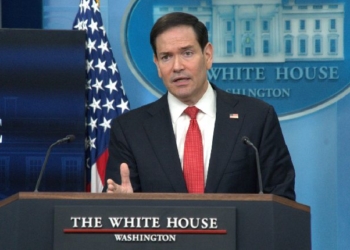






Washington: Secretary of State Marco Rubio has said that the United States is working to find third-country resettlement options for Afghan allies stranded abroad, including many currently in Pakistan, as the Trump administration continues to review relocation policies for those who assisted American forces during the Afghanistan war.
The issue emerged during a House Foreign Affairs Committee hearing on Wednesday (local time) when Representative Julie Johnson criticised the administration’s handling of Afghan refugees and former allies who worked alongside US military personnel and diplomats during the two-decade conflict in Afghanistan.
Johnson argued that many Afghans who assisted American operations now face uncertainty despite promises made by Washington.
“Under your leadership, US State Department dismantled the Office of Coordinator for Afghan Relocation efforts and halted the visa processing for Afghan allies,” she said, describing the situation as damaging to America’s credibility among future partners and allies.
Responding to concerns about Afghans currently awaiting relocation, Rubio said the administration’s immediate objective was to prevent them from being returned to Taliban-controlled Afghanistan.
“Right now, that’s not anyone’s plan,” Rubio said when asked whether Afghan allies could be sent back.
Instead, he said Washington was seeking alternative destinations.
“I think the plan is to find a third safe country where they can go to that they’re comfortable and choosing voluntarily to go there,” Rubio told lawmakers.
The Secretary said the administration was actively engaging governments around the world to identify countries willing to accept Afghan applicants.
“We’re looking for more and more countries to step forward and assume it,” he said.
Rubio acknowledged that current US policies, including executive actions and broader immigration measures, had complicated efforts to bring additional Afghans directly into the United States.
He noted that officials were continuing to process applications and documentation but said Washington was simultaneously exploring resettlement options elsewhere.
“We continue to process the folks that are applying so that their paperwork is in order,” Rubio said.
The Secretary emphasised that the administration did not want Afghan allies left indefinitely in uncertain circumstances.
“We don’t want them stranded forever where they are,” he said.
Rubio added that several countries had already expressed interest in accepting some Afghan applicants.
“We want them to be able to go to somewhere that’s not Afghanistan that they choose to want to go to, and that are welcoming of them,” he said.
Pressed on whether Afghans could be forced to relocate to countries they did not wish to move to, Rubio said the administration’s goal was to provide choices rather than impose destinations.
“We don’t want to force anybody,” he said. “We want to have multiple countries so they can choose.”
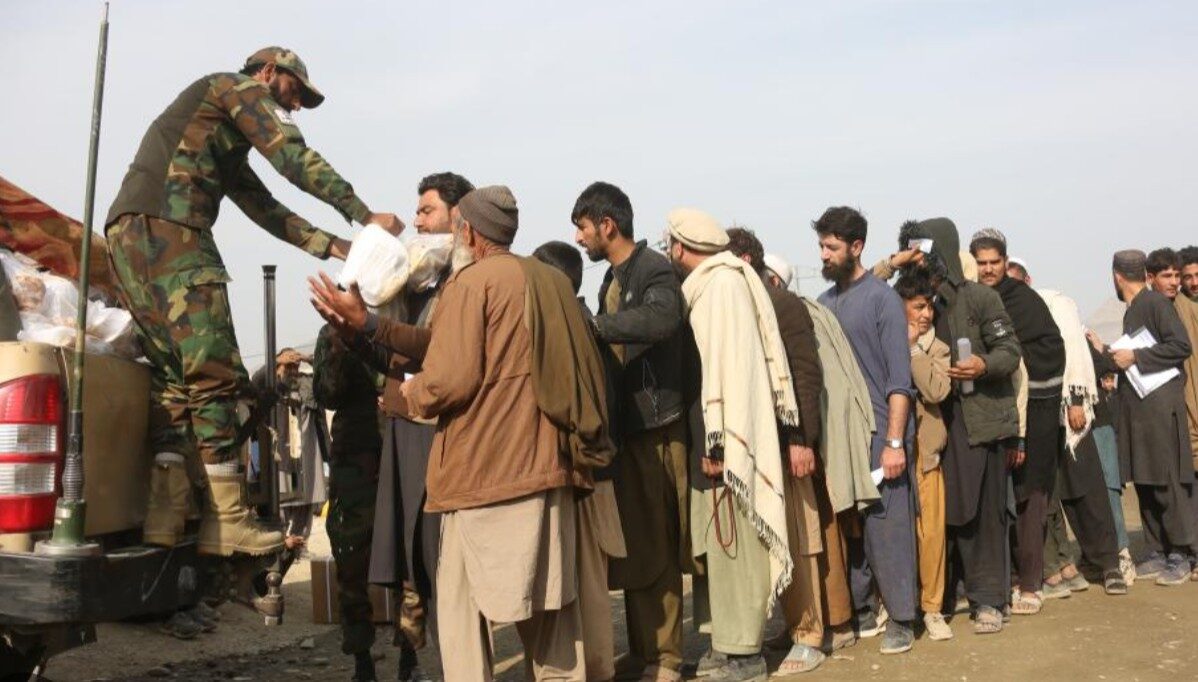
The issue is particularly significant for Pakistan, where thousands of Afghan Special Immigrant Visa applicants and other refugees have remained while awaiting decisions on relocation and resettlement.
Many had worked as interpreters, contractors, advisers or support personnel for US military and diplomatic missions before the Taliban returned to power in Kabul in August 2021.
(IANS)