





Bhubaneswar: The overall flood situation in Odisha remained under control on Monday as rainfall declined significantly across the state, though several districts continued to report localised flooding following the impact of a deep depression, according to a State Emergency Operation Centre (SEOC) report.
The state recorded an average rainfall of just 0.1 mm in the 24 hours till 8.30 am on Monday, with Sundaragada receiving 1.3 mm while no rainfall was recorded in the other districts during the period, the report said.
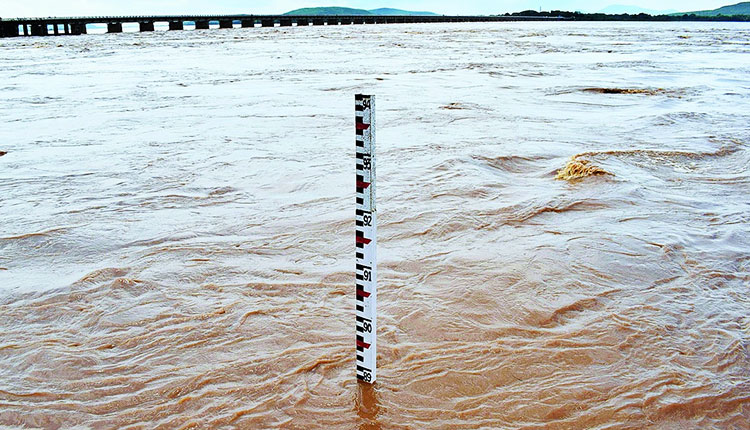
Koraput and Nabarangpur, along with parts of Baleshwar, Jajpur, Bhadrak and Mayurbhanj, have been affected due to the weather system and rising water levels in the Budhabalanga, Baitarani, Subarnarekha and Jalaka rivers.
In Koraput, two blocks, 20 gram panchayats and 41 villages have been affected, impacting 6,395 people. Of them, 2,684 have been evacuated and 36 relief camps opened.
Nabarangpur reported 16,891 affected people across three blocks, 13 gram panchayats and 31 villages. As many as 2,393 people have been evacuated and 18 relief camps set up.
Baleshwar was the worst affected among the riverine districts, with 50,456 people affected across 541 villages. Of them, 49,590 have been evacuated and 77 relief camps opened. In Jajpur, 5,059 people were affected, with 3,876 evacuated and 19 relief camps opened.
Bhadrak reported 11,251 affected people, including 8,278 evacuated, while 66 relief camps have been opened. In Mayurbhanj, 2,425 people were affected, of whom 2,354 were evacuated, with 22 relief camps operational.
The government has supplied 591.32 metric tonnes of food materials to the affected districts, including 326 MT to Baleshwar, 31.32 MT to Jajpur, 175.2 MT to Bhadrak, 40 MT to Mayurbhanj and 18.8 MT to Koraput.
A total of 64 response teams, comprising 57 ODRAF and seven NDRF teams, have been deployed in the affected areas. Baleshwar has received nine ODRAF and two NDRF teams, while four ODRAF teams have been deployed in Koraput, five in Nabarangpur, three in Bhadrak and three ODRAF and one NDRF team in Jajpur.
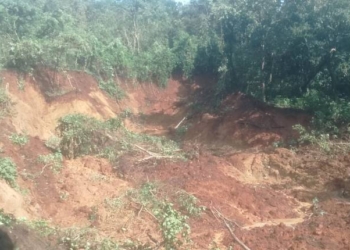
The SEOC is monitoring the situation round-the-clock in coordination with district emergency operation centres. District administrations have been directed to respond promptly to local flooding, waterlogging and possible closure of urban underpasses, besides remaining alert to landslides, damage to weak structures and kutcha roads, and losses to horticultural and standing crops.
People have also been advised to monitor weather conditions and move to safe locations during thunderstorms.