





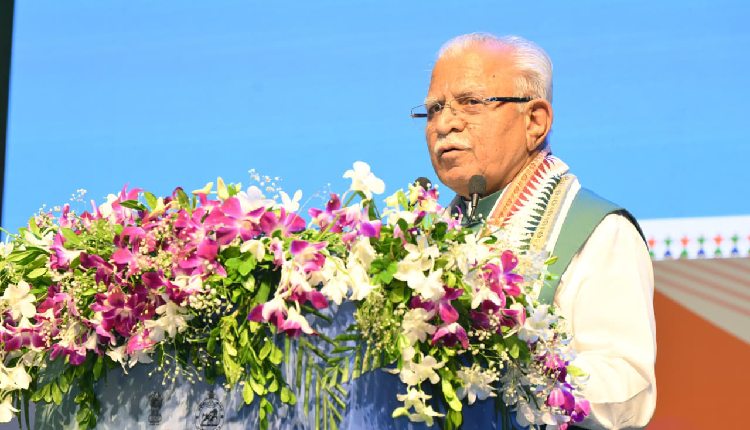
Bhubaneswar: Urban mobility must be integrated with city planning from the outset, as efficient transport infrastructure has become a key driver of economic growth and urban development, Union Minister for Housing and Urban Affairs and Power Manohar Lal said on Saturday.
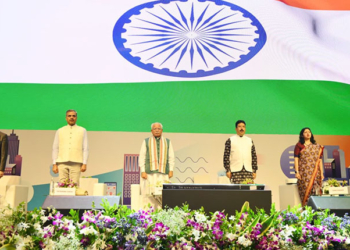
Addressing the valedictory session of the 19th Urban Mobility India (UMI) Conference and Exhibition 2026 in Bhubaneswar, the Union Minister stressed the need to develop cities around citizens’ mobility requirements, ensuring convenient access to workplaces, educational institutions, hospitals and other essential services.
He outlined three guiding principles for India’s future urban transport systems — Integration, Inclusiveness and Intelligence — emphasising seamless connectivity between different modes of transport, accessible mobility for all sections of society, and the use of technology to improve public transport efficiency and passenger safety.
Integration, he said, should ensure seamless connectivity among metro, bus, rail and other transport services, supported by effective first- and last-mile connectivity. Inclusiveness requires safe and convenient transport facilities for women, senior citizens, persons with disabilities and other commuters, while intelligence involves leveraging artificial intelligence and real-time data for better traffic management and public transport operations.
Highlighting the expansion of urban transport infrastructure, Manohar Lal said the Centre had approved nine metro projects spanning approximately 174 km at a cost of over Rs 59,000 crore since December 2025. An additional 102 km of metro network had become operational during the same period, taking India’s operational metro network to 1,185 km across 26 cities.
Under the PM e-Bus Sewa Scheme, 1,100 electric buses have commenced operations in 28 cities, transporting an average of around 2.5 lakh passengers daily, he said.
The Minister also referred to the Transit-Oriented Development (TOD) Policy 2026 approved for Delhi in April, which aims to promote planned urban development and affordable housing across approximately 207 square kilometres along metro, Regional Rapid Transit System (RRTS) and railway corridors.
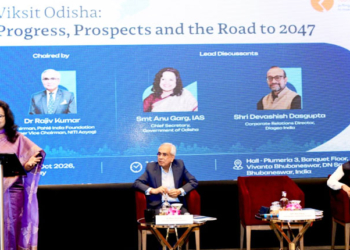
Referring to the conference proceedings, Manohar Lal said 14 sessions were held over two days, bringing together around 1,500 delegates and experts from India and abroad. As many as 28 exhibitors showcased innovations and solutions in urban transport.
The deliberations underscored the need to incorporate mobility considerations into urban planning and utilise data from telecom networks, mobile applications and digital platforms for evidence-based planning of metro, bus and other transport services, he said.
The Minister welcomed the conference’s focus on walking, cycling, people-centric streets and the mobility needs of women, senior citizens and persons with disabilities. He urged states, cities and other stakeholders to translate the recommendations emerging from the discussions into concrete action plans that improve everyday commuting.
The two-day conference, held on October 23 and 24, was organised by the Union Ministry of Housing and Urban Affairs through the Institute of Urban Transport (India), with support from the Odisha government.
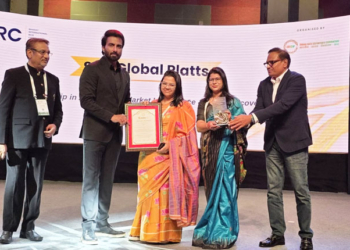
Odisha Housing and Urban Development Minister Krushna Chandra Mahapatra, Additional Chief Secretary of the department Usha Padhee, senior officials, policymakers, urban transport experts and delegates from India and abroad attended the valedictory session, where awards were presented for excellence and best practices in urban transport.