





Bhubaneswar: The Panchayati Raj & Drinking Water Department has intensified preparedness to protect drinking water supply in rural pockets of Odisha ahead of Cyclone Akvan. District-specific micro-plans have been activated, with dedicated drinking water restoration teams positioned in vulnerable areas and resources being strategically redirected in response to evolving ground conditions.
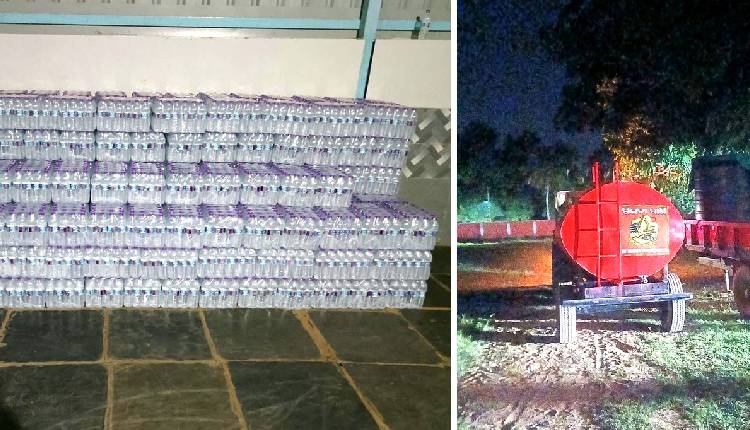
The plans focus on blocks and Gram Panchayats likely to be affected, identifying vulnerable drinking water sources, assessing local requirements and earmarking resources for advance deployment. Alternative arrangements through water tankers, temporary storage tanks and bottled water have also been planned to maintain supply until regular services are restored.
All 30 districts have reported essential preparedness arrangements. Available emergency resources include around 7,600 bags of bleaching powder, 7.57 lakh water bottles, 813 water tankers, 903 Syntex tanks, 417 generator sets, 789 water loading points and 13 mobile water treatment units. A total of 1,012 response teams have also been identified for deployment.
To ensure speedy restoration of drinking water services, the department has earmarked dedicated drinking water restoration teams in rural pockets across districts.
The drinking water restoration teams have been deployed across districts, with 118 teams having arrived in Ganjam. Gajapati has 54 teams covering 114 Gram Panchayats, while Malkangiri has 63, Puri 55, Jagatsinghpur 40, Kendrapada 18, Baleshwar 12, Nabarangapur 12 and Rayagada 10 teams.
Emergency drinking water stocks include 20,000 bottles and one mobile treatment unit in Gajapati, 82,000 bottles in Malkangiri, 80,000 bottles and one mobile treatment unit in Koraput, 70,000 bottles and one mobile treatment unit in Kendrapada, 1,01,500 bottles in Baleshwar and 50,000 bottles and one mobile treatment unit in Jagatsinghpur. Potentially vulnerable piped water supply schemes and tube wells have also been identified to facilitate advance preparedness and targeted deployment of resources.
The post-cyclone plans provide for immediate assessment of damage and restoration of affected water supply systems. Drinking water will be supplied to affected habitations through tankers, temporary storage facilities and bottled water until normal services resume. Mobile treatment units and generator sets will support emergency operations wherever required.
The department is maintaining close coordination with district administrations and field officials to dynamically redirect restoration teams and emergency resources according to changing weather conditions, local vulnerabilities and emerging requirements. This will enable quicker response in areas facing disruption and ensure that resources reach the most affected habitations without delay.