





Bhubaneswar: Odisha’s traditional Boita Bandana celebrations are creating fresh livelihood opportunities for rural women and farmers, with the Odisha Rural Development and Marketing Society (ORMAS) facilitating market linkages through the production of eco-friendly boats made from banana stems.
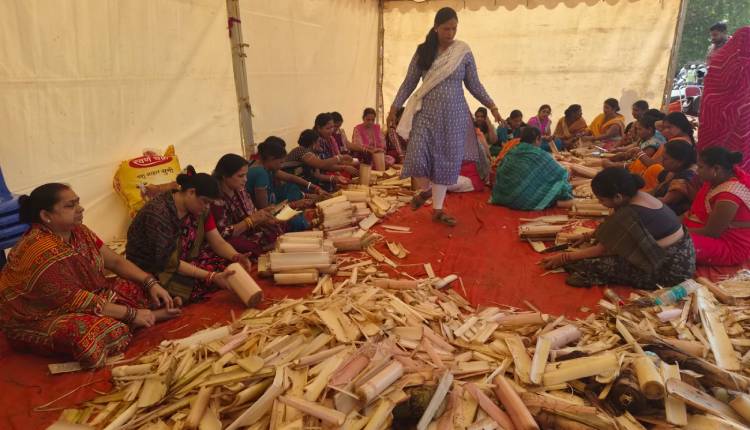
As many as 21,000 banana stem boats have been prepared for this year’s festival, engaging 40–50 women members from four to five Self-Help Groups (SHGs). The women are expected to receive a collective remuneration of around ₹90,000 for their work.
The initiative has also generated additional income for banana farmers in Angul district. Through Cropify Farmers Producer Company Ltd., around 350–400 Kandi of bananas have been marketed, fetching an estimated revenue of up to ₹1.40 lakh.
In another initiative to minimise agricultural waste, banana stems left unused after harvesting 750 trees have been collected and put to productive use, earning farmers an additional ₹7,500. The stems sourced from Angul have been transported to Kataka for making the eco-friendly boats.
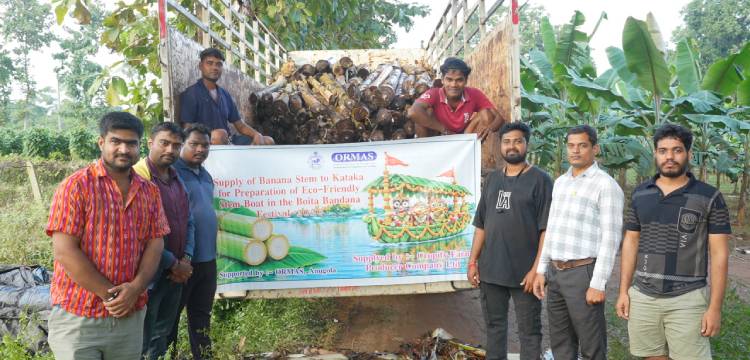
The initiative, undertaken by ORMAS under the Panchayati Raj and Drinking Water Department, seeks to leverage festival-related demand to strengthen rural enterprises, promote sustainable resource utilisation and expand income opportunities for farming communities and women SHGs.
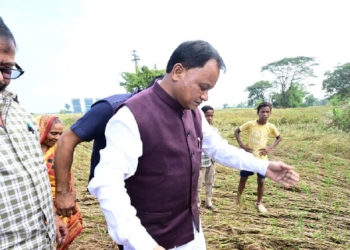
Rural Development, Panchayati Raj and Drinking Water Minister Rabi Narayan Naik said traditional festivals could also become instruments of rural economic growth. He described the linkage between Boita Bandana traditions, rural enterprises and women’s economic empowerment as a commendable initiative.
ORMAS Chief Executive Officer Dr Monica Priyadarshini said the initiative had helped utilise local agricultural resources while connecting farmers and women SHGs with new market opportunities. She said the organisation would continue to develop such linkages to generate additional livelihood avenues for rural producers.
The initiative seeks to turn cultural celebrations into economic opportunities by connecting traditional practices with local agricultural produce and community-based enterprises.