



New Delhi: Opposition leaders on Monday sharply criticised the government as the 19-day Winter Session of Parliament commenced, accusing it of deliberately restricting debate and accountability.
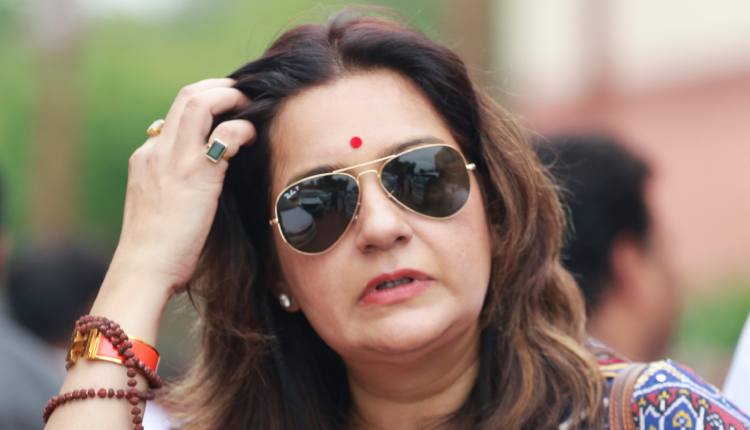
Speaking to IANS, Shiv Sena(UBT) MP Priyanka Chaturvedi said, “It is very clear that they have no intention of letting Parliament function. They sit in arrogance, believing they will maintain power everywhere and that they have no need to follow parliamentary procedures.”
“When you bring 13 bills for action in just 15 days, it becomes evident that they do not want any comprehensive discussion; they want these bills to pass amidst disruption,” she added.
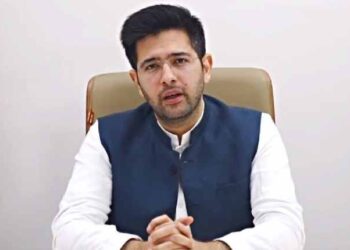
Congress national spokesperson Surendra Rajput echoed concerns over the short duration of the session, accusing the government of “curbing” parliamentary discussions.
He said, “Parliament sessions are for the people. The Opposition raises the voice of the people. It is the responsibility of the Lok Sabha Speaker, the Minister of Parliamentary Affairs and the BJP government to allow Opposition issues to be raised in the House. The government should not obstruct Parliament and must let the Opposition raise its issues. The government should prioritise matters of public interest.”
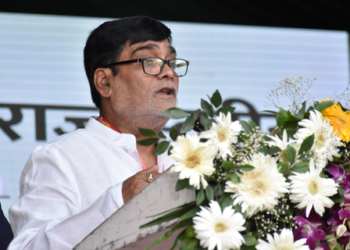
Congress MP Sukhdeo Bhagat also questioned the government’s approach, stating, “This is the Winter Session, and it seems the government has shrunk its responsibilities, calling such a short session. It is evident the government is avoiding accountability.”
The remarks come as the Winter Session of Parliament began on Monday, scheduled to run until December 19, with 15 sittings over the 19 days.
The government has planned an ambitious legislative agenda, listing 13 bills, including the Atomic Energy Bill, Central Excise Amendment Bill, Health Security-National Security Cess Bill, and Higher Education Commission of India Bill, 2025.
While the government focuses on pushing its legislative agenda, the Opposition has already signalled plans to raise issues such as the SIR controversy, national security concerns, labour codes, the role of Governors, and pending dues to states. With just 15 sittings in a 19-day session, critics argue there is limited time for meaningful debate on these pressing matters.
The Winter Session is expected to be politically charged, with the Opposition determined to hold the government accountable and scrutinise key bills and policies, even as the government seeks to expedite its legislative priorities.
(IANS)