



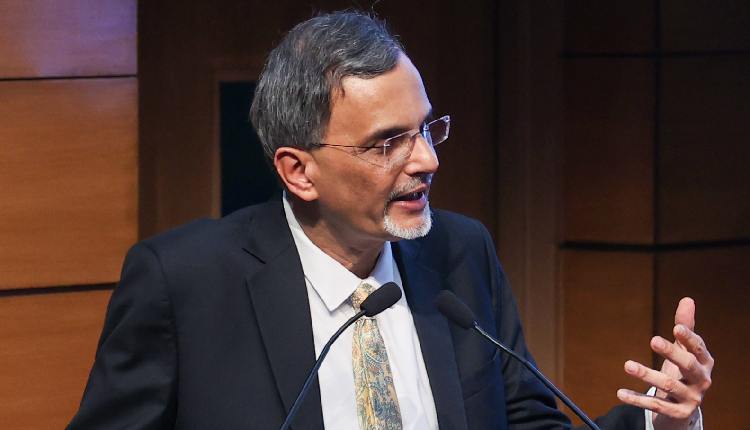
New Delhi: Inclusive finance has to be embedded in a broader ecosystem of health-care insurance and social security to protect lenders as well as borrowers, Chief Economic Advisor V. Anantha Nageswaran said on Tuesday.
In his address at the Global Inclusive Finance Summit, Nageswaran said one of the main reasons why people default on the repayment of loans was unexpected events such as health-related shocks.
“Even well-designed credit cannot do everything on its own. When illness strikes, even a growing business can stumble,” the CEA remarked.
Nageswaran called for mainstream banks not to merely be spectators to the process of formalisation of the economy but actively absorb the new proven borrowers into their core portfolios.
Talking of financial inclusion, he said: “True impact investing means explicitly pricing in social return and accepting lower financial return in exchange. That is not a weakness; it is the very definition of responsibility in this sector.”
Highlighting the success of the PM Svanidhi scheme, Nageswaran said that even street vendors can be disciplined and can grow. “The question now is whether the formal banking system is willing to recognise the reality and offer them overdraft, insurance, and working capital.”
Emphasising that a person should not remain a micro borrower forever and should have more financial options in order to expand his or her business, Nageswaran said the most powerful financial inclusion tool is not a loan but a timely payment to these micro entrepreneurs.
“Inclusive finance does not have to be a separate heroic effort. Fair contracts and prompt settlement do more for small enterprises than micro credit ever will,” he remarked.
He said credit that is not matched by rising earning capacity leads to stress instead of empowerment.
The CEA said investors cannot demand the same returns from these institutions as they do from consumer lending or speculative fintech entities.
“True impact investing means explicitly pricing in social return and accepting lower financial return in exchange. That is not a weakness; it is the very definition of responsibility in this sector,” he said.
The discipline of low and expected returns gives institutions the scope to focus on customer success rather than just credit and revenue expansion, Nageswaran added.
(IANS)