


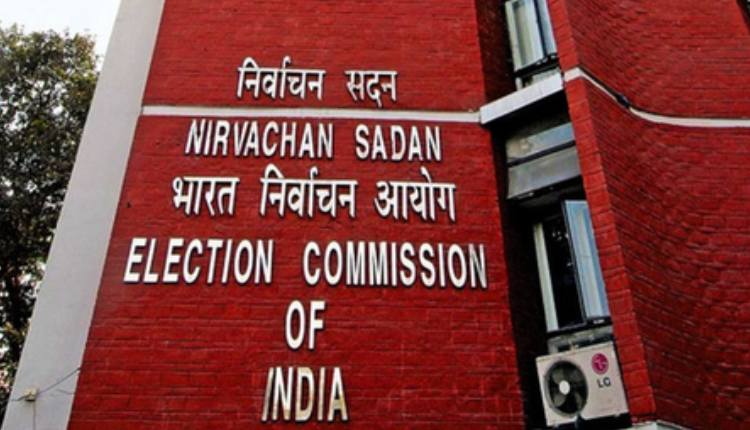
Kolkata: The Election Commission of India (ECI) has advised Electoral Registration Officers (EROs) to refrain from writing explanatory notes on the supporting identity documents received from voters during hearing sessions on claims and objections to the draft voters’ list in West Bengal.
The Commission had specifically directed the EROs not to write the word “verified” on the documents received from the voters concerned, said sources in the office of the Chief Electoral Officer (CEO), West Bengal.
“At the same time, the Commission had instructed the micro-observers especially appointed to review and supervise the hearing sessions to ensure that no explanatory scribbles are made on the documents received from the voters during the hearing sessions, except the signatures of the EROs and voters concerned on them. The EROs have also been advised to put their own or the voter’s signatures on the backside of the document papers,” sources in the CEO’s office said.
Explaining the rationale behind barring the EROs from writing explanatory notes on the documents, especially the word “verified”, the sources said, merely receiving the documents during the hearing sessions would not mean that the documents have been “verified” and “authenticated”.
On receipt, these documents would be subjected to a three-stage verification, first by the EROs concerned, second by the District Magistrates concerned, and finally, a technical check via sophisticated technology by the commission’s technical team.
“This is meant to fix accountability of the electoral officers at all levels who are involved in the hearing process,” the sources said.
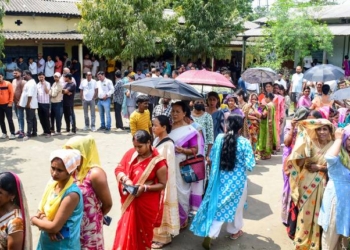
The hearing session will be done in two phases. Currently, the hearings are on for the “unmapped” voters, which means the voters having no links with the 2002 voters’ list either through “self-mapping” or through “progeny mapping”. The last time the SIR was conducted in West Bengal was in 2002.
The second stage of the hearing will be for voters having logical discrepancies, in whose cases weird family-tree data have been detected in the course of progeny-mapping, like voters becoming fathers at the age of 15 or less, voters becoming grandfathers at the age of 40 or less, and voters having fathers and mothers with the same names, among others.
The final voters’ list after the end of the hearing sessions and follow-up verifications will be published on February 14 next year. Soon after that, the ECI will announce the polling dates for the crucial Assembly elections in the state next year.
(IANS)