




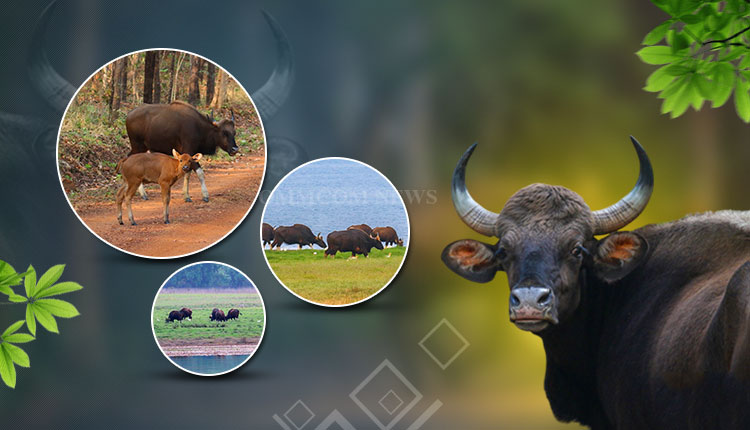
Bhubaneswar: The population of Indian Bison or Gaur (Bos gaurus), the flagship species of Debrigarh Wildlife Sanctuary, has shown a steady and encouraging rise, with the latest census recording 848 individuals.
The third Gaur census was conducted in the sanctuary from 5th to 7th January 2026 and revealed an increase of 189 animals compared to the first census carried out in November 2024.
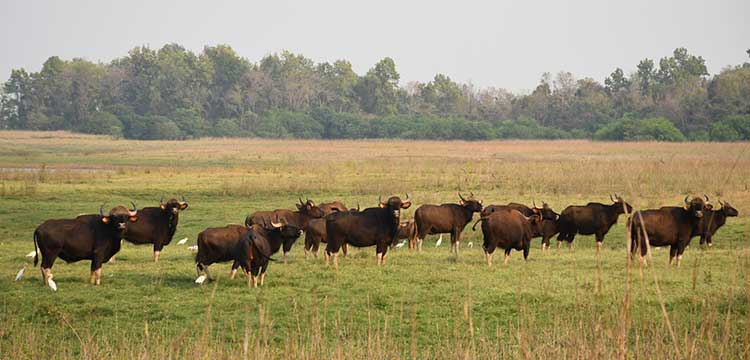
The census covered 73 census units spread across 353 square kilometres of Debrigarh Sanctuary and documented 69 herds through the direct count method. Of the total population, nearly 30 per cent, or 235 individuals, were juveniles below two years of age, indicating a robust and expanding population structure.
A total of 155 personnel were engaged in the three-day census exercise, which was conducted daily from 5 AM to 5 PM. To ensure accuracy and cross-verification of sightings, 213 PIP units and 103 camera traps were deployed across the sanctuary during the census period.
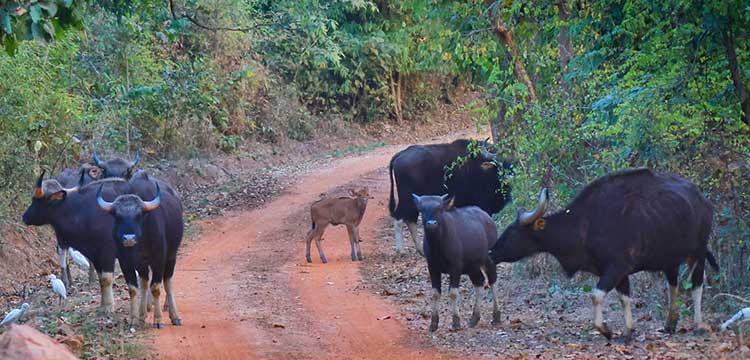
Debrigarh Sanctuary has been conducting Gaur censuses at six-month intervals since November 2024 in view of its healthy and dense Gaur population. The first census, held on 12th and 13th November 2024, recorded 659 Gaurs in 52 herds. The second census, conducted from 11th to 13th May 2025, showed a rise to 788 individuals in 60 herds. The latest census recorded an increase of 60 Gaurs over the second count, reinforcing the trend of sustained population growth.
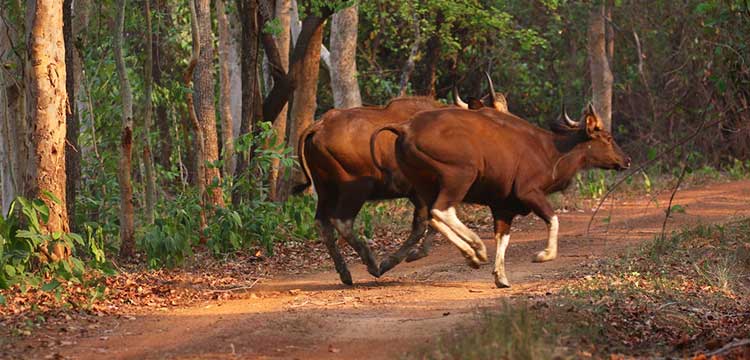
Forest officials attribute the consistent rise in Gaur numbers to focused, species-specific habitat management practices adopted in Debrigarh. Meadows interspersed with bamboo brakes have been developed to support the grazing and browsing needs of the species. Particular emphasis has been laid on improving grasslands dominated by species such as Heteropogon, Dicanthium, Cynodon and Themeda, which form an important part of the Gaur’s diet. Adult Gaurs in the sanctuary typically weigh between 600 and 800 kilograms.
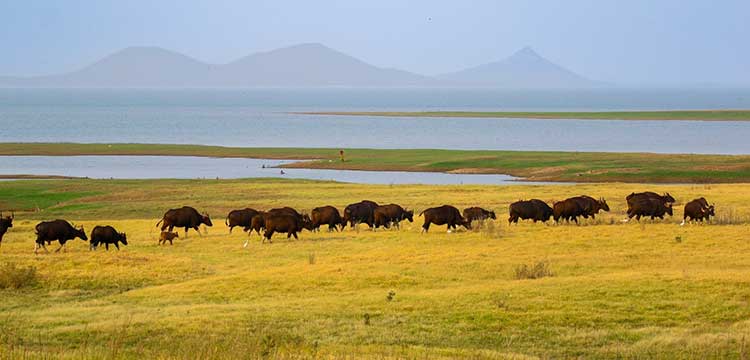
The census also recorded the presence of eight Gaur herds comprising 98 individuals within the 50-square-kilometre Safari Zone of the sanctuary. These herds are regularly sighted by visitors during jungle safaris and cruise tourism activities, making the species a major attraction for tourists.
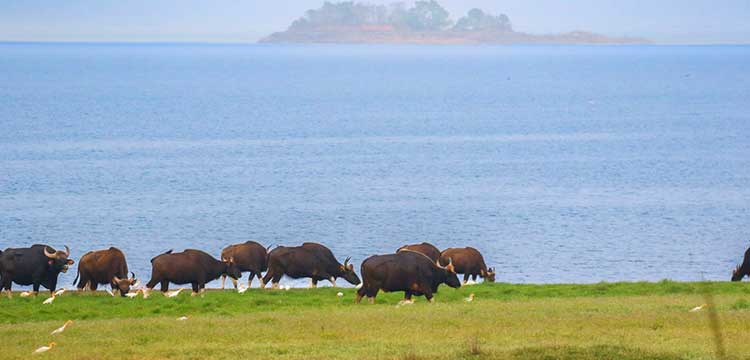
The six-monthly census regime aims to closely monitor the breeding pattern of Gaurs in Debrigarh, which has emerged as one of the strongholds of the species in India. Data from successive censuses indicate that Gaurs in the sanctuary breed throughout the year, unlike in some other regions of the country where breeding is seasonal. Each range of the sanctuary maintains a monthly register documenting the number of newborn Gaurs, further supporting this observation.
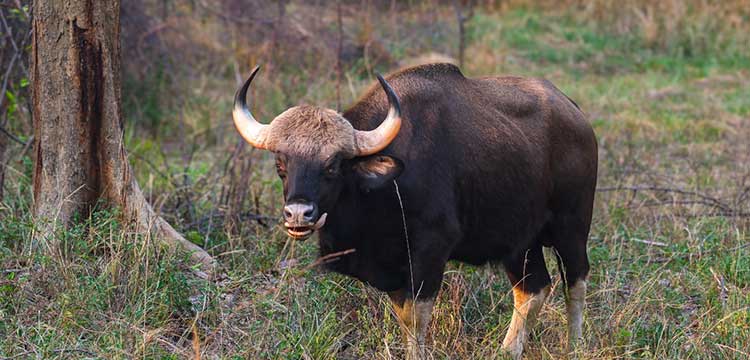
Between November 2024 and January 2026, the Gaur population in Debrigarh Wildlife Sanctuary increased from 659 to 848, reflecting a net gain of 189 individuals in just over a year. Officials say the results underline the success of sustained conservation efforts and habitat management practices implemented in the sanctuary.