



Bhubaneswar: In a significant move aimed at ensuring long-term sustainability of rural drinking water infrastructure, the Odisha Cabinet on Friday approved the Operation & Maintenance (O&M) Policy for Rural Drinking Water Supply 2026, marking a shift from infrastructure creation to service reliability and efficiency.
The decision, taken under the chairmanship of Chief Minister Mohan Charan Majhi, lays down a comprehensive framework for uninterrupted water supply, improved water quality monitoring, and robust asset management across rural areas of the State.
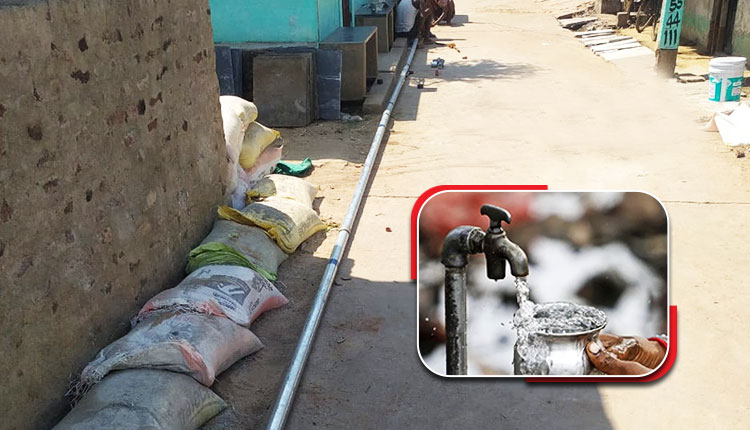
The policy comes in the backdrop of substantial progress made under the Jal Jeevan Mission and various State initiatives, which have significantly expanded Functional Household Tap Connections (FHTCs) in rural Odisha.
According to official sources, the new O&M Policy focuses on ensuring the long-term functionality of water supply systems, including Single Village Schemes, solar-based systems, and Mega Piped Water Supply Projects. It introduces clear institutional responsibilities across the Rural Water Supply and Sanitation (RWSS) wing, district administrations, Gram Panchayats, and Village Water & Sanitation Committees, thereby strengthening decentralized governance and community participation.
Key provisions of the policy include structured user charges, creation of dedicated O&M funds at the village level, regular water quality testing, and adoption of digital monitoring tools such as SCADA and IoT-based systems. A centralized Command and Control Centre will also be established for real-time monitoring and oversight of water supply operations.
The policy further emphasizes preventive maintenance, asset lifecycle management, time-bound grievance redressal, and disaster preparedness measures to ensure continuity of services. Officials stated that the framework has been designed to operate within existing financial provisions, without imposing any additional recurring burden on the State exchequer.
Highlighting the State’s achievements, the government noted that 27 Mega Piped Water Supply Projects have been completed during the current tenure. In addition, trunk infrastructure such as Water Treatment Plants and intake systems have been completed in 82 projects, facilitating water supply to multiple villages.
The State has also completed 3,046 single-village water supply projects and 2,702 solar-based water supply systems. As a result, the number of villages receiving water through FHTCs has increased from 6,032 to over 21,000. Additionally, 28,741 tubewells have been installed to augment drinking water availability.
In a bid to ensure accountability, the government has imposed penalties amounting to nearly ₹1,120 crore on executing agencies for unsatisfactory performance in both mega and small water supply projects. FIRs have also been lodged in cases of serious irregularities.
Officials said the new policy aims to safeguard public investment and ensure that the goal of “Har Ghar Jal” translates into sustained, safe, and reliable water supply for every rural household in Odisha.