



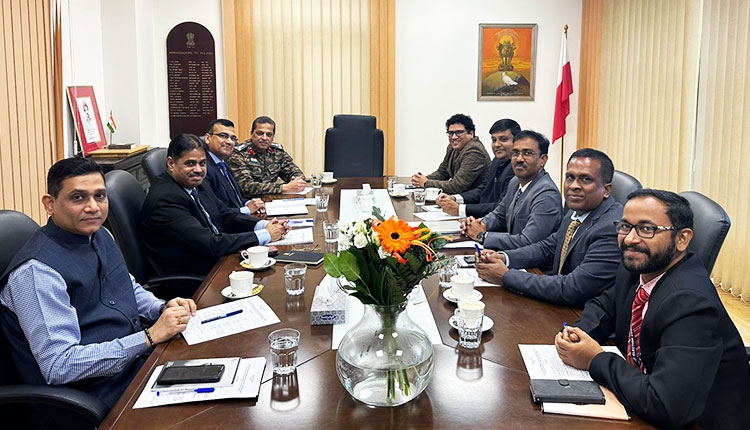
Bhubaneswar: A five-member delegation from the Office of the Chief Electoral Officer (CEO), Odisha, has returned from a five-day official visit to Poland—marking the first international engagement of its kind by the State Election Office. The visit, undertaken on behalf of the Election Commission of India (ECI), aims to strengthen democratic cooperation and enhance election management practices through bilateral learning.
Chief Electoral Officer R. S. Gopalan described the visit as a moment of pride for Odisha, expressing confidence that the exposure to global best practices would bolster the state’s election and electoral roll management systems. “This engagement is expected to bring valuable insights and significantly enrich our understanding of advanced election management practices,” he said.
The delegation comprised Additional Secretary and National-level Master Trainer Shatrughna Kar, Additional Secretary and National-level Master Trainer Pramod Kumar Sahu, Khordha District Election Officer Amrit Ruturaj, Sub-Collector Bhubaneswar Manoranjan Sahu, and Booth Level Officer Chinmaya Kumar Seet of Booth No. 144 under the 112 Assembly Constituency.
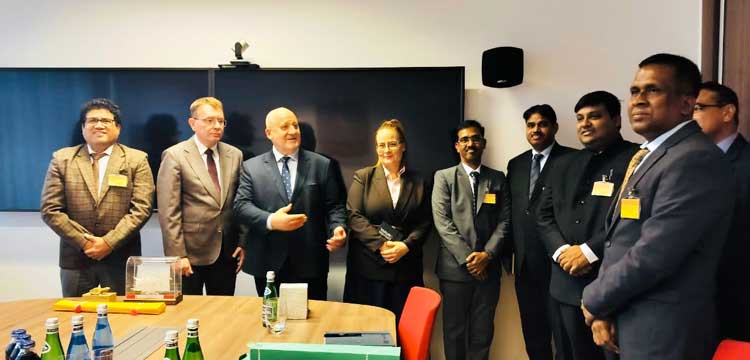
During the visit, the team met the Head of the Indian Mission in Warsaw before holding an extended meeting with two Election Commissioners of Poland and the Director (International Relations) of the National Election Commission. The high-level interaction lasted over ninety minutes, covering best practices and ways to further strengthen election delivery systems.
As part of the exchange, the Odisha officers made three detailed presentations:
- An overview of India’s election process by Shatrughna Kar.
- A briefing on EVMs, polling day arrangements and counting mechanisms by Pramod Kumar Sahu.
- A presentation on electoral roll management and field-level challenges by DEO Khordha, Amrit Ruturaj.
The delegation showcased India’s vast election machinery, including the use of EVMs and VVPATs, adoption of modern technologies, large-scale voter management systems, and robust frameworks for audit and scrutiny. Polish officials appreciated the depth of these presentations and shared insights into their own democratic processes, electoral norms, and the role of technology in election administration.
The Odisha team also visited polling stations, voter registration centres and district election offices in Poland to study pre-poll planning, polling logistics, and post-poll procedures. These field visits offered a closer understanding of Poland’s voter service arrangements and administrative practices.
The visit marks a significant step toward deepening international cooperation in electoral management and is expected to contribute meaningfully to Odisha’s future election preparedness.