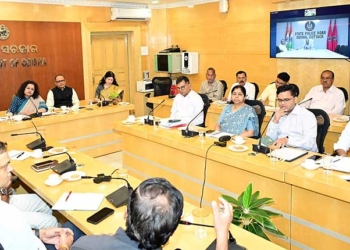




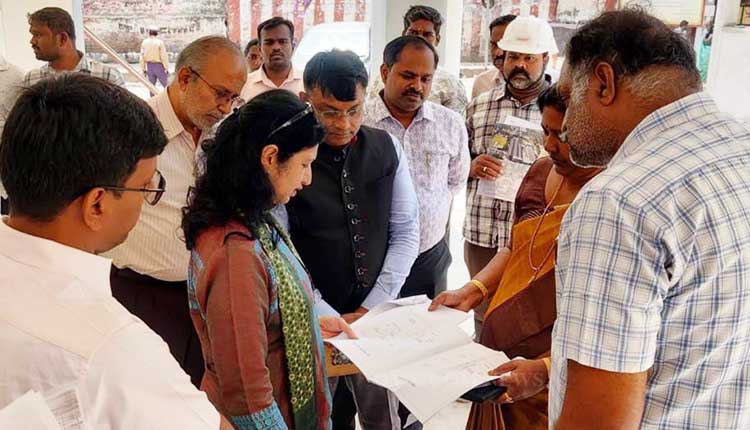
Chennai: Committed to continuous learning, innovation and adoption of global best practices, Usha Padhee, Additional Chief Secretary of Housing & Urban Development Department of Odisha government, undertook an exposure and knowledge-sharing visit to Chennai on Thursday to study affordable housing and urban habitat initiatives supported by the World Bank and the Asian Development Bank.
The visit focused on understanding proven models of affordable housing delivery, institutional strengthening, innovative financing frameworks and sustainable urban habitat development being implemented in Tamil Nadu.
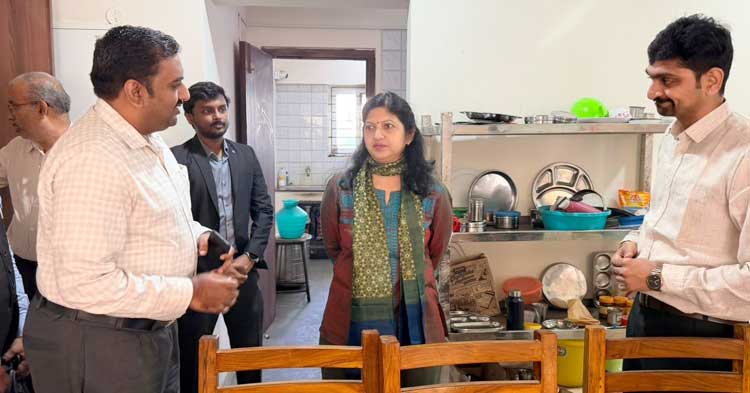
During the visit, ACS Padhee along with officials of the Odisha Urban Housing Mission (OUHM) held detailed interactions with senior officials of the Tamil Nadu Urban Habitat Development Board (TNUHDB) and the Chennai Metropolitan Development Authority (CMDA) to gain insights into policy frameworks, project structuring and implementation strategies.
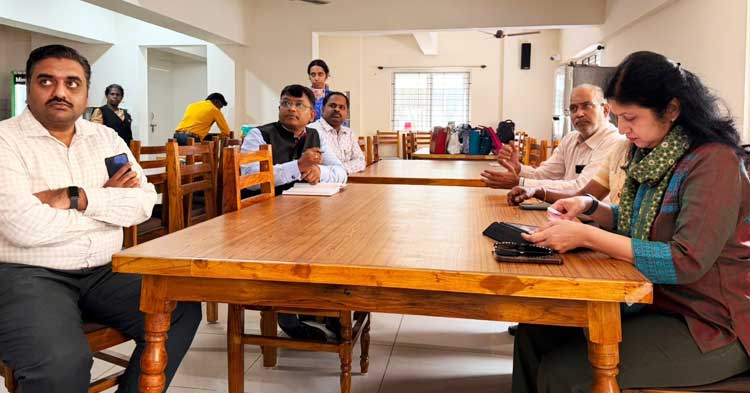
The delegation was briefed on the Housing and Habitat Development Project, supported by the World Bank with an outlay of approximately USD 200 million. The project focuses on strengthening housing institutions and expanding access to affordable housing through the Tamil Nadu Shelter Fund (TNSF) — a social venture fund model designed to mobilise private investment for Economically Weaker Sections (EWS) and promote sustainable housing solutions.
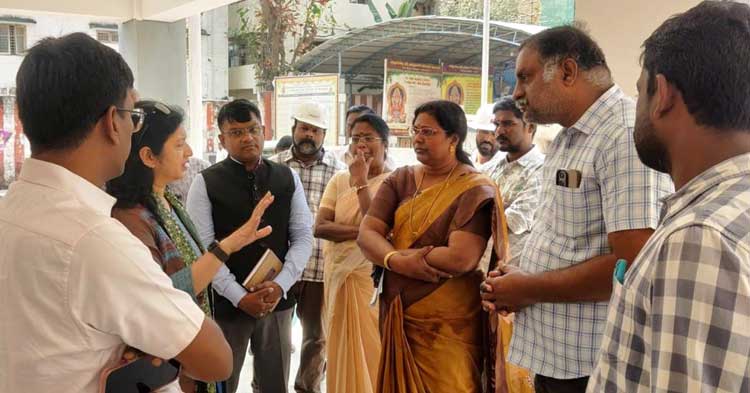
The visit also covered the ADB-supported Inclusive, Resilient and Sustainable Housing for the Urban Poor Sector Project, with an estimated investment of USD 150 million, aimed at developing nearly 6,000 housing units across multiple locations. The project emphasises relocation of families from high-risk and vulnerable areas to safer habitats, energy-efficient building designs, integrated waste management systems and creation of essential social infrastructure such as primary health centres and schools.
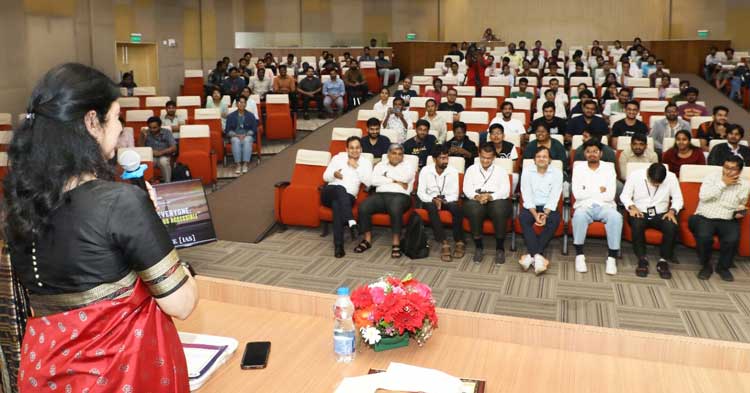
Later in the day, Padhee visited IIT Madras where she delivered an Extra Mural Lecture titled “The Intersection of Technology, Policy, and Public Service.”
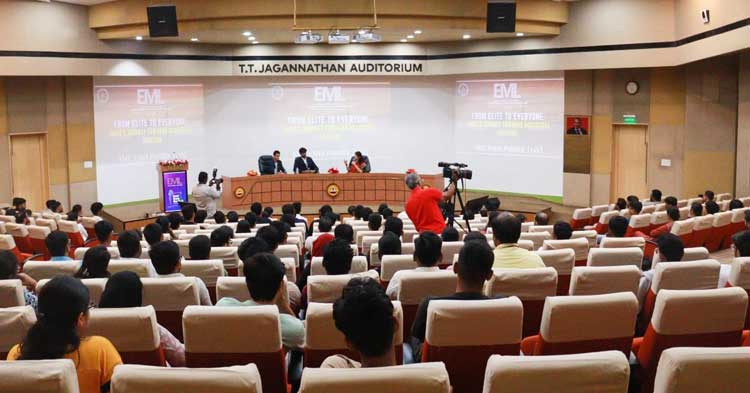
Addressing students and faculty, she highlighted the importance of data-driven governance, integration of artificial intelligence and ethical leadership in addressing urban challenges such as housing shortages, sanitation and congestion.
Encouraging young technocrats to explore careers in public policy and the Civil Services, she emphasised that empathy, ethics and emotional intelligence are as vital as technical excellence in modern administration. The engagement concluded with an interactive session and guidance on preparation for the Civil Services Examination.
Reaffirming Odisha’s forward-looking approach, ACS Smt. Usha Padhee noted that insights gained from Tamil Nadu’s experience and academic engagement would contribute meaningfully towards shaping inclusive, resilient and sustainable urban development strategies in the state.