


Bhubaneswar: Odisha has recorded a sharp decline in cognizable crimes during the first nine months of 2025, marking a reduction of more than 20% compared to the same period last year.
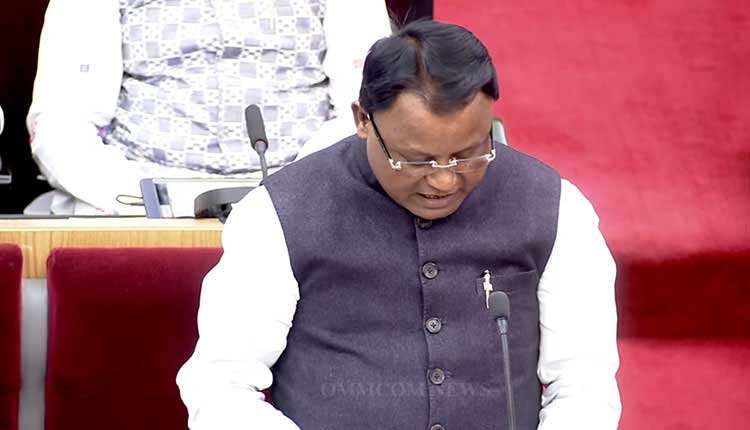
Chief Minister Mohan Charan Majhi shared the figures in the state assembly on Monday in response to a query from BJD MLA from Jatani Bibhuti Bhushan Balabantaray, noting that total cognizable cases fell from 214,113 in 2024 to 169,200 by September 2025.
The twin cities under the Commissionerate Police—Bhubaneswar and Cuttack—reported a particularly significant drop. Bhubaneswar UPD registered 11,342 cases between January and September 2025, down from 14,416 during the same period in 2024. Cuttack UPD also saw a marginal decrease, from 7,268 cases to 7,226. When combined with the Special Crime Unit (SCU-Comm-BBSR&CTC), the total number of cases in the twin cities reduced from 21,696 last year to 18,575 this year.
A district-wise comparison shows broad statewide improvement. Ganjam, which had reported the highest crime numbers in 2024 at 17,313, recorded 14,041 cases in 2025. Angul’s numbers dropped from 11,028 to 9,901, while Puri saw a decline from 8,809 to 7,425. Smaller districts also contributed to the overall decline, with Gajapati falling from 1,753 to 1,312 cases and Boudh from 1,850 to 1,431.
Responding to concerns raised by BJD MLA Balabantaray over nighttime policing, the Chief Minister outlined steps taken by the Commissionerate Police to strengthen safety after dark. He said night patrolling has been expanded, including more personnel deployment in sensitive pockets, while checking and naka operations at city entry and exit points have been intensified to track vehicle movement.
Routine nighttime foot patrols are being carried out across police station limits to deter burglary and theft. Police have increased targeted raids as part of Safe City drives, monitoring markets, lodges, night clubs, and dance bars. CCTV coverage in urban centres has also been expanded, with authorities encouraging apartments, shops, and malls to share surveillance footage with police control rooms.
An Anti-Burglary Squad has been set up to identify vulnerable homes, conduct surveillance, and maintain WhatsApp groups with citizens for real-time coordination. Community policing efforts have been stepped up through frequent meetings with resident associations to reinforce safety guidelines. Additionally, 112 emergency response vehicles and PCR units have been deployed for round-the-clock patrolling across the city.
Police are also cracking down on illegal arms, liquor, and drunk driving as part of efforts to curb nighttime crime. The Chief Minister clarified that there is no requirement for mandatory ID proof for individuals moving around at night, stressing that cooperation from the public remains voluntary.
Officials said the drop in crime reflects improved coordination between units, increased use of technology, and enhanced community engagement, all of which have contributed to more proactive policing across the state.