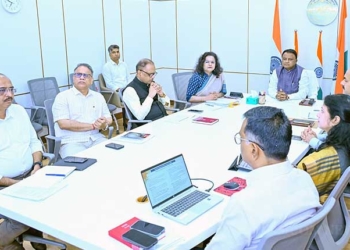



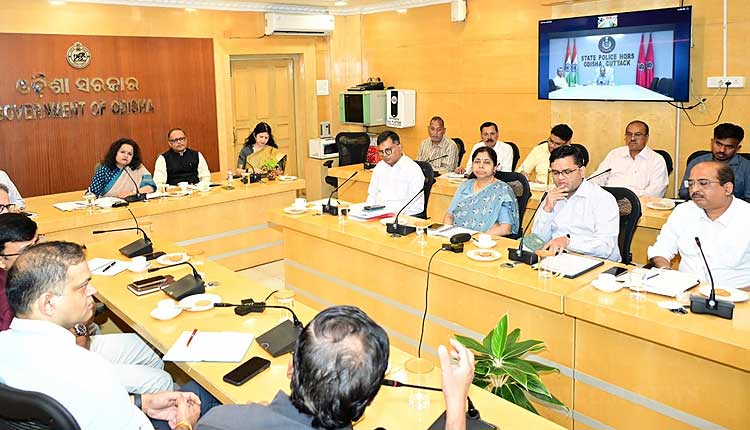
Bhubaneswar: The Odisha government on Thursday reviewed the availability and supply of essential fuels, including LPG, petrol, and diesel, at a high-level meeting of the State Crisis Management Group held at Lok Seva Bhavan under the chairmanship of Chief Secretary Anu Garg.
The meeting assessed the current situation and focused on preparedness measures to ensure uninterrupted supply amid prevailing uncertainties. The Chief Secretary stressed the need for continuous monitoring and periodic review of fuel availability, along with proactive planning for future contingencies.
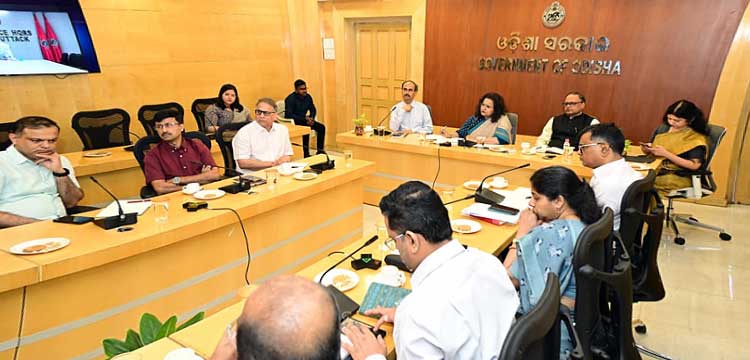
A detailed review of the supply chain of cooking gas, petrol, and diesel was undertaken, with officials emphasizing coordinated action in line with the Centre’s directives. Authorities informed that there is no shortage of LPG for domestic consumers in the state.
However, concerns were raised over irregular supply and instances of black marketing. The Food Supplies and Consumer Welfare Department stated that enforcement measures, including raids, are being intensified to curb such practices.
The meeting also highlighted the growing role of Piped Natural Gas (PNG) as an alternative fuel. Officials noted an increase in the use of commercial cooking gas among hotels and restaurants and encouraged large-scale adoption of PNG. Establishments equipped with both LPG and PNG facilities were advised to maximize PNG usage.
Discussions were also held on ensuring uninterrupted fuel supply to priority sector institutions and MSMEs. In a bid to reduce dependence on conventional fuels, the state is pushing for faster adoption of electric vehicles and expansion of supporting infrastructure.
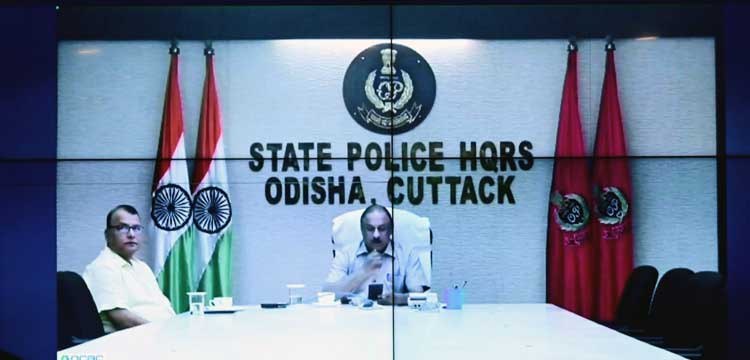
The impact of fuel supply dynamics on the hospitality and tourism sectors was also reviewed. The Chief Secretary underscored the importance of timely dissemination of accurate information to prevent panic among the public.
The Director General of Police suggested deployment of adequate police personnel to maintain supply chain integrity and prevent hoarding or malpractice.
The Chief Secretary directed that meetings of the State Crisis Management Group will be held every two to three days going forward, while similar reviews will also be conducted regularly at the district level.