



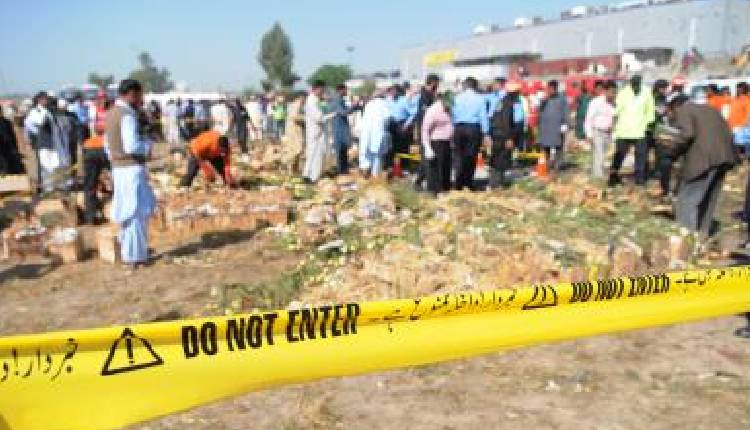
New Delhi: More than 30 people were killed and over 150 were injured in the Islamabad mosque blast as the powerful explosion ripped through the crowded gathering on Saturday.
Preliminary findings pointed at a suicide bomber, who purportedly detonated the device, after approaching the Shia mosque in Tarlai area.
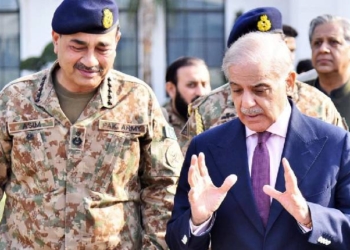
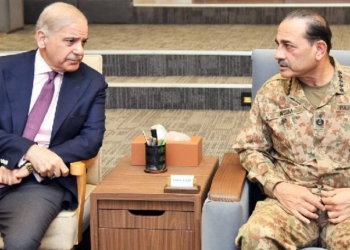
However, what perplexed everyone was that Pakistani leadership shifting blame on its neighbours, including India and Afghanistan, and not admitting the gaps in its security mechanism and internal challenges.
India and Afghanistan were though quick to turn the spotlight back on Pakistan’s own failures.
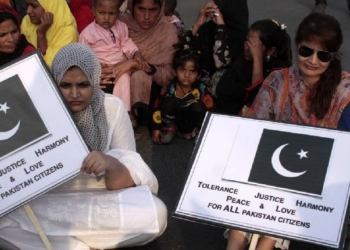
The barbaric killing of people offering prayers at a mosque in suicide attack though comes after a large gap, it brings the focus back on sectarian divide and the Pakistan government’s failure to confront and contain home-grown terror.
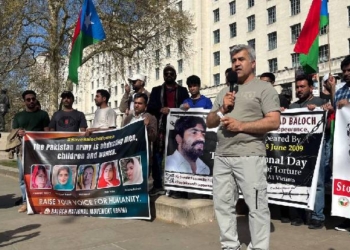
Various theories are being put forward. Some saw it a response to Pakistan’s action on militant networks in Balochistan while many assumed it to be handiwork of the Tehreek-e-Taliban (TTP), a banned radical outfit.
Baloch separatists have no history of carrying out such massacres and this rather has striking similarities with how TTP operates.
The role of Islamic State (IS) is also being talked about, however, it has largely remained dormant.
The real reason would be revealed after thorough probe into the grotesque act of violence.
However, the real reason behind ‘mosque massacre’, many believe, is the sectarian strife which has remained unaddressed over the years and groups like the TTP using the opportunity to deepen the hatred and hostility.
According to Dawn report, the TTP, with a record of sectarian violence, may have reactivated its plan to hit ‘soft’ targets.
It further says that the banned terror outfit Lashkar-e-Jhangvi has largely been defanged but its political supporters remain active, free to take out rallies and indulge in hate speech.
“Such groups, including the banned Ahle Sunnat Wal Jamaat (ASWJ), share a worldview with the TTP, which the state has declared the mortal enemy of Pakistan. Hence, it is necessary to take action against the political and ideological backers of violent sectarian groups in order to close the door on further violence in the country,” the report said.
It is high time that the Pakistan government prioritises its anti-terror policy and takes effective steps to neutralise sectarian terrorist groups.
(IANS)