



Washington: As electricity demand surges from artificial intelligence and industry, US lawmakers and officials are turning to nuclear energy with new urgency, framing it as central to economic strength and global power.
At a Senate Energy and Natural Resources Committee hearing on Thursday, policymakers and industry leaders outlined an aggressive push to expand nuclear capacity, backed by President Donald Trump’s May 2025 executive orders to accelerate reactor deployment and rebuild domestic supply chains.
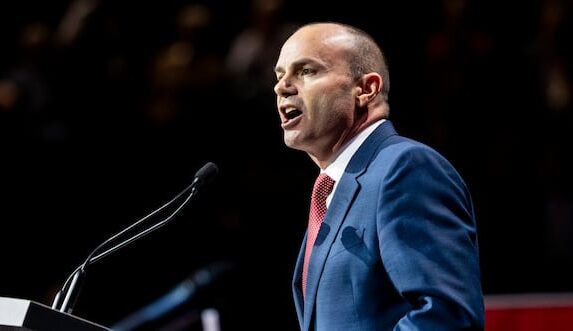
“The question is no longer how we use energy. It’s whether we have enough of it,” Chairman Senator Mike Lee said, warning that industries will relocate if power demand is not met domestically. “If we cannot meet that demand here, it will be met somewhere else.”
The executive orders direct the rapid deployment of advanced reactor technologies, reforms in licensing processes, and steps to strengthen the nuclear industrial base. They also emphasise reducing reliance on foreign fuel supplies and expanding US leadership in global nuclear exports.
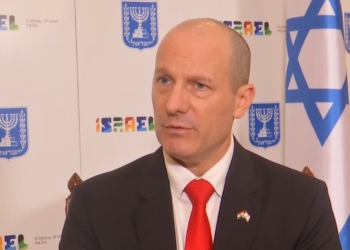
Assistant Secretary of Energy Theodore Garrish said the administration was focused on restoring domestic uranium enrichment, supporting new reactor construction, expanding exports, and completing the nuclear fuel cycle.
“We should be able within the time frame of the next couple of years be able to have a very viable domestic uranium enrichment industry,” he said, noting that reliance on imports had eroded US capacity over decades.
Officials said early progress was visible in pilot programmes aimed at demonstrating new reactor designs. At least three test reactors are expected to achieve criticality by July 4 this year, marking a key milestone.
“I’m hopeful that we should be able to be successful on meeting the July 4 deadline,” Garrish said, though he acknowledged some manufacturing challenges.
John Wagner, director of Idaho National Laboratory, described the moment as a turning point. “We stand at an unprecedented inflection point in American nuclear energy,” he said.
“The question no longer is whether America needs nuclear energy… it’s how much, how quickly and how to make it happen.”
Wagner said infrastructure was being accelerated to meet the administration’s goals, including new demonstration reactors and expanded fuel development efforts. “I am no longer skeptical. I am optimistic we will see it happen,” he said of the timeline for initial reactors.
Industry leaders pointed to rapidly growing electricity demand, particularly from artificial intelligence and data centres, as a key driver of the renewed focus on nuclear power.
“The US faces a pivotal moment as electricity demand surges due to AI data centers and restored American manufacturing,” said Mike Laufer, chief executive of Kairos Power.
“The message from Washington is unambiguous — nuclear energy is needed now.”
Laufer said new reactor technologies and milestone-based federal funding models were helping accelerate development while maintaining accountability. He stressed that early investments were essential to bridge the gap between demonstration and large-scale commercial deployment.
Lawmakers from both parties expressed support for expanding nuclear energy but raised concerns about costs, supply chains, and long-term waste management.
Several senators noted that past nuclear projects had faced significant cost overruns, deterring utilities from investing in new reactors. Others highlighted the need to secure domestic fuel supplies and reduce dependence on countries such as Russia.
The hearing also underscored intensifying global competition. “Russia and China both understand this,” Lee said. “They’re building reactors at scale… locking in fuel supply arrangements that tie countries to their technology.”
The United States currently operates the world’s largest fleet of nuclear reactors, supplying about one-fifth of its electricity. However, new construction has slowed in recent decades due to high costs and regulatory challenges.
Recent legislation and executive actions aim to reverse that trend, with bipartisan backing in Congress to expand nuclear capacity as part of a reliable and low-carbon energy mix.
(IANS)