


Washington: Pakistan’s Afghan policy, long driven by the pursuit of “strategic depth” against India, has evolved into a declared “open war” as TTP flourishes, Afghan refugees flee in large numbers and global criticism intensifies.
According to a report in ‘One World Outlook’, Pakistan’s gamble of nurturing the Taliban to ensure compliance has backfired. Moreover, claims of sovereignty by the Taliban and its association with Tehreek-e-Taliban Pakistan (TTP) have further strained relations.
“Pakistan midwifed the Taliban’s rise, sheltering its leaders and betting on a friendly Kabul to neutralise militants and counter India. The 2021 takeover promised payoff, until the TTP, ideological cousins, exploded from Afghan sanctuaries. By 2025, TTP attacks ravaged Khyber Pakhtunkhwa, killing scores; 37 strikes hit nine districts in early 2026 alone. Taliban inaction, viewing TTP as Pakistan’s mess, prompted coercion: border closures gutted Afghan trade, while February 22 airstrikes targetted seven TTP/ISKP camps in Nangarhar and Paktika, claiming 80 militants dead,” the report mentioned.
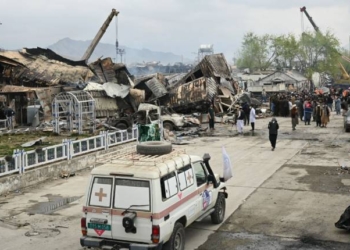
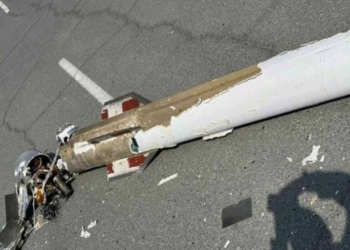
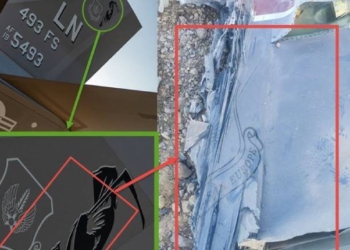
“Civilian toll, 18 killed, including children, ignited fury. Afghanistan retaliated on February 26 with drone strikes and clashes across Kandahar to Nuristan, seizing outposts and killing 55 Pakistanis, per Kabul. Pakistan’s Operation Ghazab Lil Haq followed: 46 airstrikes hit Kabul, Kandahar, and Paktia, capturing 32 square kilometres in the Ghudwana enclave,” it noted.
Pakistan’s Defence Minister Khawaja Asif declared an “open war”, as clashes continued into March, with drones reportedly shot down and around 150 Taliban forces killed amid the escalating hostilities.
“Parallel to the blitz, Pakistan’s deportation drive, which has expelled over 1.5 million Afghans since 2023, has supercharged the crisis. Targetting 1.4 million PoR holders, it features raids, bribes, and camp razings, slamming returnees into Taliban peril. Amnesty International decried the ‘unlawful’ push in January 2026, noting 115,000 arrests; Human Rights Watch highlighted persecution risks amid Afghanistan’s repression”, the report detailed.
“Escalation worsens it: strikes displace thousands in border provinces, with the UN logging 110 civilian deaths by March 4. Deportees fuel TTP recruitment, draining Pakistan’s labour pool and hiking costs in a teetering economy,” it added.
The report further said, “Islamabad must de-escalate: multilateral TTP talks, refugee safeguards, and economic ties. Coercion yielded blowback; realism beckons before the frontier ignites regionally.”
(IANS)