



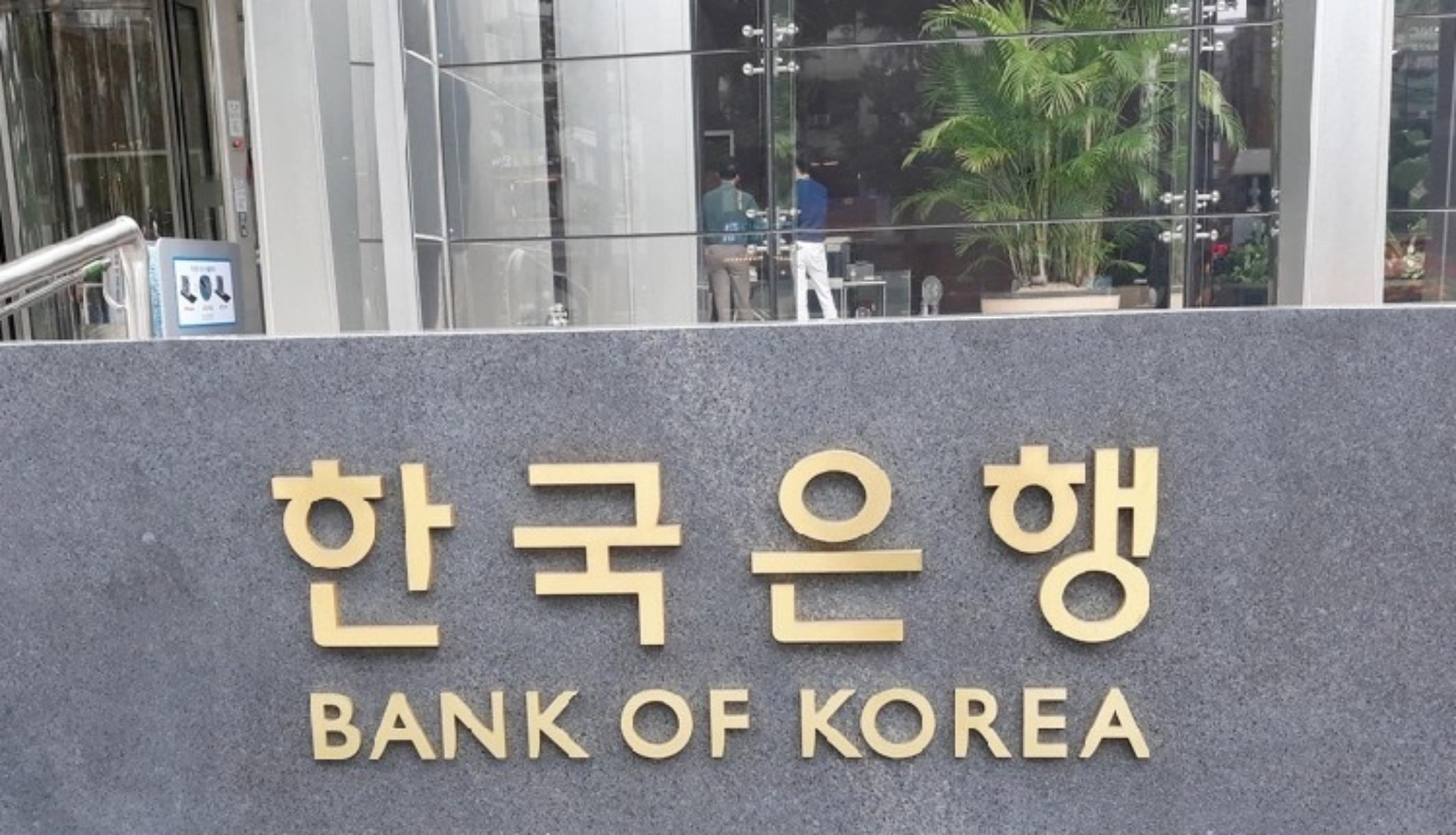
Seoul: Bank of Korea (BOK) Governor Rhee Chang-yong warned on Tuesday that South Korea’s potential growth rate could fall to the zero per cent range by the 2040s, stressing the need to efficiently allocate financial resources to boost the growth potential.
Rhee made the remarks in a speech at a BOK symposium co-hosted with the Korean Finance Association in Seoul, reports Yonhap news agency.
“The country’s potential growth rate was around 5 percent in the early 2000s but has recently dropped to below 2 per cent. If the current trend continues, it could fall to the zero percent range by the 2040s,” Rhee said.
“It has largely been driven by low birthrates and rapid population aging, which have reduced the working-age population, while corporate investment and innovation to enhance productivity have not been sufficient to offset these trends,” he added.
Rhee also pointed to “inefficient” allocation of resources, which, he said, has prevented capital from flowing into high-productivity sectors.
“The role of finance is more important than ever, as finance serves as essential infrastructure that reallocates limited resources to the most efficient sectors, which can drive innovation and productivity growth,” the central bank chief said.
According to a BOK analysis, the country could raise its long-term economic growth rate by reducing the share of household credit relative to gross domestic product (GDP) and redirecting funds toward productive sectors, such as corporate lending.
A simulation using data from 43 countries covering 1975 through 2024 showed that lowering the ratio of household credit to GDP by 10 percentage points from the current 90.1 percent could raise South Korea’s long-term annual growth rate by 0.2 percentage point.
The impact would be particularly pronounced when credit is allocated to small and medium-sized enterprises (SMEs) and highly productive firms, while lending to the real estate sector contributes little to macro economic growth, the BOK said.
In its latest outlook released late last month, the BOK raised its growth projection for this year by 0.1 percentage point to 1 percent. For 2026, it forecast a 1.8 percent expansion.
Despite the upward revision, the growth forecast for this year remains well below the country’s estimated potential growth rate of around 1.8 percent, which refers to the maximum pace at which the economy can expand without fueling inflation.
(IANS)