


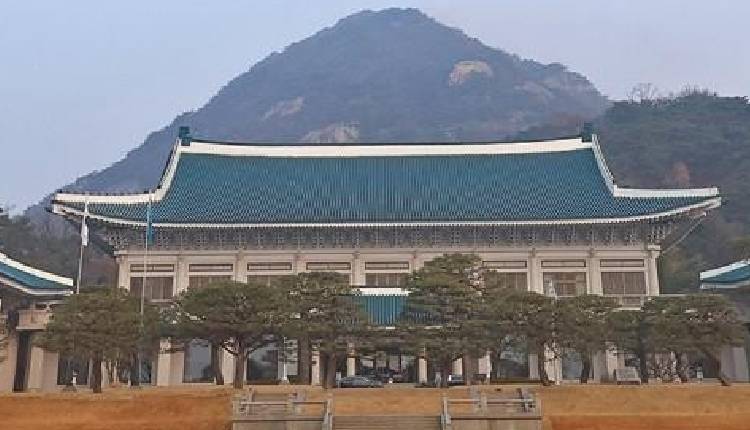
Seoul: The presidential Office of South Korea’s National Security denounced North Korea’s launches of ballistic missiles on Saturday as violating UN Security Council (UNSC) resolutions, calling for a halt.
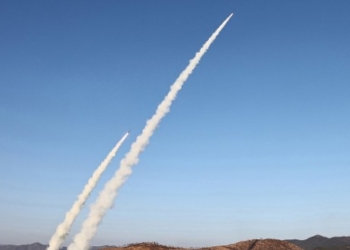
The office issued the message after holding an emergency security assessment meeting shortly after North Korea fired around 10 ballistic missiles toward the East Sea.
“The latest ballistic missile launches by North Korea constitute a provocation that violates UNSC resolutions, and we call for an immediate halt,” the office said in a press release.
The office also reported details of the missile launches and Seoul’s countermeasures to President Lee Jae Myung, it said.
Attended by officials from the defence ministry and the Joint Chiefs of Staff, the meeting examined the repercussions of the latest missile launches on South Korea’s security and necessary countermeasures, also calling for thorough contingency readiness at home, reports Yonhap news agency.
The North fired the missiles at around 1:20 p.m. from Sunan, near Pyongyang, with them flying some 350 kilometres. The South Korean military, together with the United States, is currently analysing the details about the missiles’ specifications.
The launches mark the first ballistic missile test since the North’s last launch on January 27. The rare launch of about 10 missiles at once appears to be a reaction to the annual springtime military exercise between Seoul and Washington, the Freedom Shield, which began Monday for an 11-day run.
Meanwhile, the South Korean and US militaries staged joint river-crossing drills in the border county of Yeoncheon on Saturday as part of their annual key springtime exercise aimed at enhancing interoperability between the allies.
The field training coincided with North Korea firing around 10 ballistic missiles toward the East Sea earlier in the day. The North’s missile launch came in an apparent muscle-flexing against the Seoul-Washington joint military exercise.
The training took place on the Imjin River in Yeoncheon, located about 50 kilometres north of Seoul, involving some 200 pieces of equipment, including KM3 amphibious bridging vehicles and ribbon bridge systems, according to the armed services.
(IANS)