


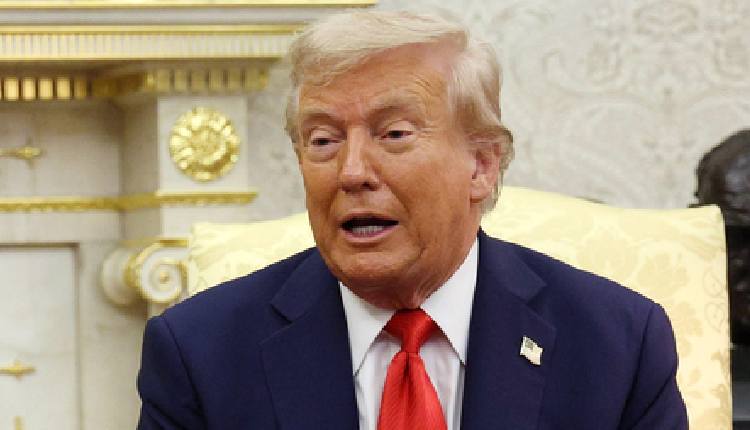
Washington: US President Donald Trump directly linked his plan to cut prescription drug prices with a broader trade and manufacturing strategy, saying tariffs and domestic investment would force a global reset in pharmaceutical pricing.
“We were like a whipping post,” Trump said on Friday, referring to past US drug pricing. “We were paying one-tenth in some cases the price of drugs that are selling in Europe.”
He said foreign governments only agreed to price adjustments after the administration threatened trade penalties.
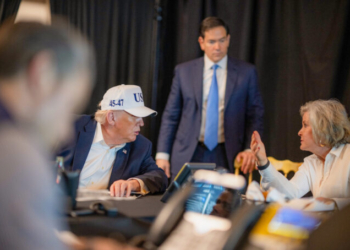
Trump delivered the remarks in the presence of senior health and commerce officials, including HHS Secretary Robert F. Kennedy Jr., Commerce Secretary Howard Lutnick, CMS Administrator Mehmet Oz and FDA Commissioner Marty Makary, alongside executives from major drugmakers.
“If you don’t do it, we’re going to have to use tariffs,” Trump said. “And they immediately agreed to do it.”
Trump said pharmaceutical companies had agreed to offer drugs to American consumers at globally benchmarked prices and make them available through a government-backed platform.
“All consumers will get massive discounts,” he said.
Executives attending included Sanofi CEO Paul Hudson, Novartis CEO Vas Narasimhan, Genentech CEO Ashley Magargee, Boehringer Ingelheim (USA) CEO Jean-Michel Boers, Gilead CEO Dan O’Day, GSK CEO Emma Walmsley, Merck CEO Robert Davies, Bristol Myers Squibb General Counsel Cari Gallman and Amgen Executive Vice President Peter Griffith.
Trump said the pricing overhaul would be accompanied by large-scale domestic investment.
“Collectively, they will invest over $150 billion to build up domestic pharmaceutical manufacturing in America,” he said.
He added that companies were already building new facilities across the country.
“They’re building plants in all states, all over the country,” Trump said.
Trump described the move as transformative for healthcare costs.
“This is the biggest thing ever to happen on drug pricing and on health care,” he said.
US drug pricing has long been tied to debates over innovation, trade and national security, with industry leaders arguing high prices fund research while critics say consumers bear the burden.
Trump has increasingly fused healthcare policy with trade enforcement, using tariffs and reshoring commitments as tools to reshape global supply chains and pricing structures.
(IANS)