


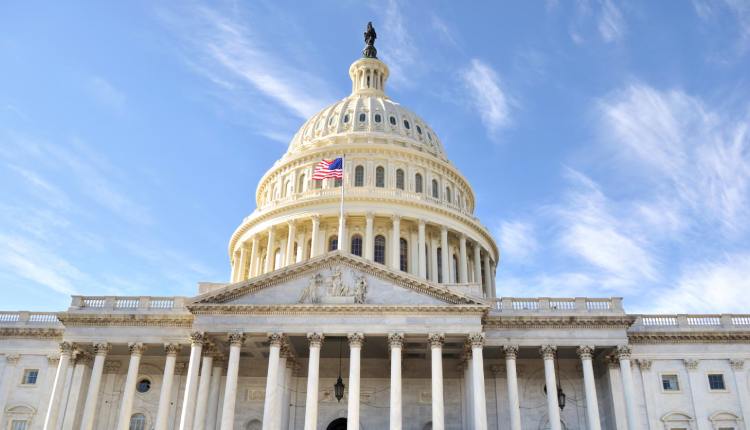
Washington: Congressional leaders released the compromise version of the fiscal 2026 National Defence Authorisation Act (NDAA), setting the stage for a vote this week on the annual legislation that has become a central pillar of US defence and national-security policymaking for more than six decades.
The bill would “authorize more than $890 billion for the Pentagon and Department of Energy nuclear weapons programs,” according to the text shared with reporters, coming in “roughly $8 billion more than the Trump administration requested.” Lawmakers said the legislation is being moved through an unrelated Senate bill, S.1071, which has been designated as the legislative vehicle to fast-track passage.
The House is expected to take up the must-pass package later this week. Despite intense negotiations between Republicans and Democrats, the NDAA has cleared Congress for 64 consecutive years — a record congressional leaders from both parties have repeatedly cited as evidence of bipartisan consensus on national defence.
Sunday’s release of the final compromise text marks the beginning of the endgame for the 2026 authorization cycle, during which committees in both chambers advanced competing drafts before closing differences in conference. The bill’s top-line figure reflects a modest increase over the administration’s formal request, signalling congressional intent to accelerate selected modernization programs and maintain long-term nuclear and conventional readiness.
The NDAA also continues its role as a broad policy vehicle that touches nearly every aspect of US defence planning, including the Pentagon budget, Department of Energy nuclear activities, personnel authorizations, and intelligence-related provisions. Additional policy directives and reporting requirements remain embedded across the legislative text.
In procedural terms, leaders opted to use S.1071 as the legislative vehicle—a common manoeuvre in recent years that allows congressional negotiators to substitute the full NDAA text into an unrelated bill already positioned for floor action. That approach is expected to ensure final passage ahead of the year’s legislative deadlines.
The House vote later this week will be the first significant test of the compromise package. Leaders expect the Senate to act soon after, preserving Congress’s decades-long streak of enacting the NDAA every year since the early 1960s.
The annual authorization law also guides US engagement across the broader Asia-Pacific, including force structure decisions, exercises, and security-assistance programs that directly affect India–US defence ties, which have grown substantially over the past decade. Once enacted, the fiscal 2026 NDAA will provide Washington with updated statutory authorities that underpin many elements of its Indo-Pacific strategy.
(IANS)