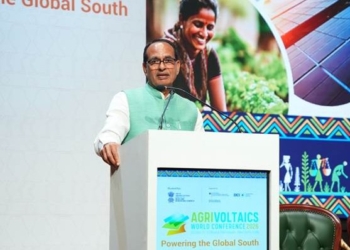

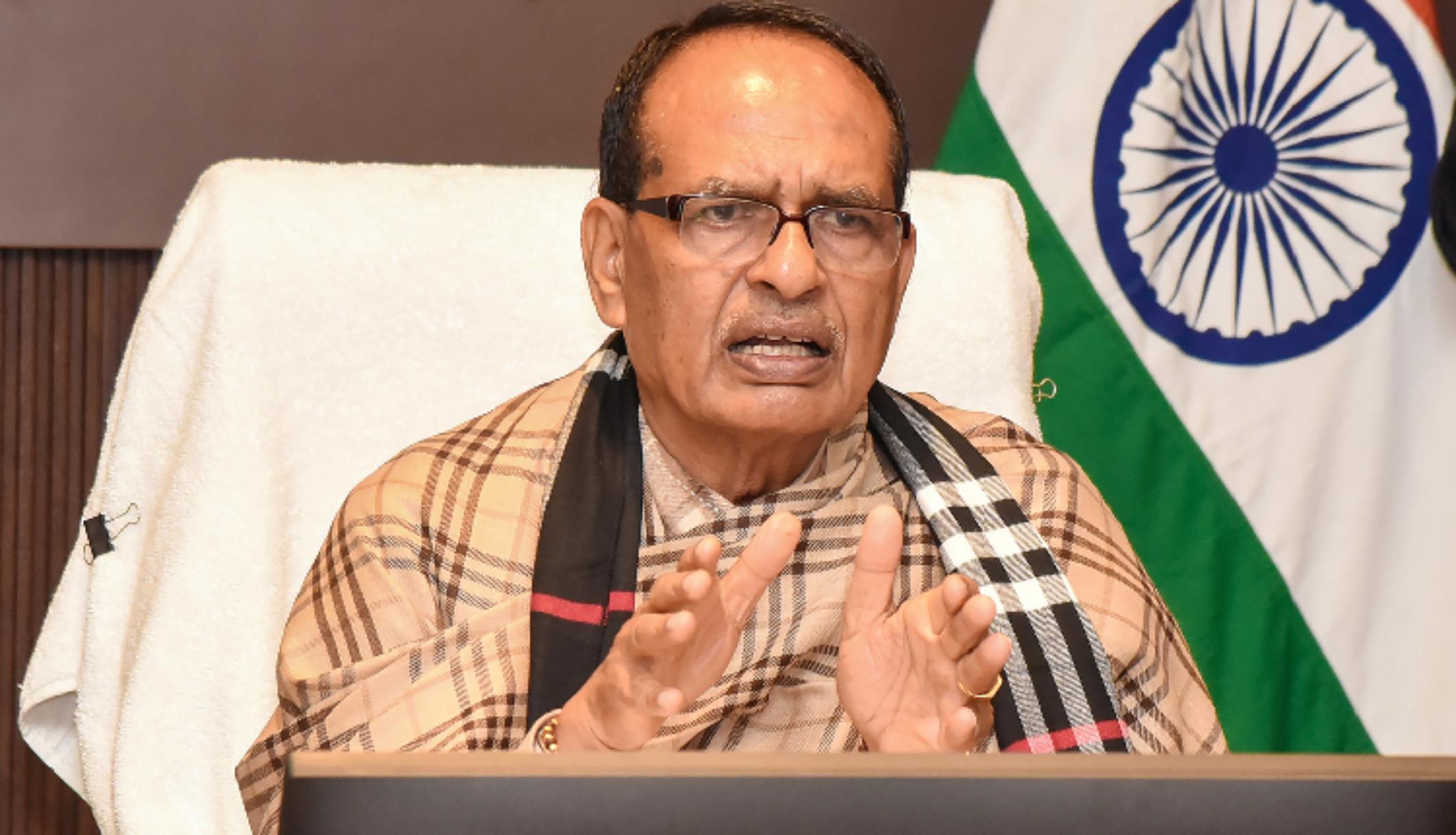
New Delhi: Union Agriculture Minister Shivraj Singh Chouhan on Monday gave a detailed lowdown on the Viksit Bharat-Guarantee for Rozgar and Ajeevika Mission (Gramin) (VB-G RAM G), explaining how the new legislation will embolden India’s rural employment framework and also address the ‘shortcomings’ of the previous scheme, MGNREGA, which it will replace.
He also addressed the opposition’s concerns over claims of G RAM G altering the basic character of the rural employment guarantee framework and informed that this was a progressive reform, set to elevate the benefits for farmers.
One of the stark differences between the two is that MGNREGA offered 100 days of guaranteed labour to unskilled workers, while under VB-G RAM G, the legal guarantee for wage employment has been extended to 125 days. Also, if employment is not provided within 15 days of application, it offers unemployment allowance — something that the labourers couldn’t claim under MGNREGA.
Notably, the VB-G RAM G Bill 2005 turned into a law on Sunday, after getting assent from President Droupadi Murmu, paving the way for the major overhaul of the flagship rural employment programme.
The Union Minister, penning a blog on the merits of the new law on Monday, explained that the new law doesn’t weaken or dilute the previous entitlements but goes to address the deficiencies directly and wholeheartedly.
“VB-G RAM G does not retreat from social protection; rather, it seeks to convert a frequently frustrated entitlement into a real, enforceable guarantee,” Chouhan wrote.
Drawing a comparison between the G RAM G and MGNREGA, which is replaced by the new framework, he elucidated, “Far from weakening the right to demand, the new law strengthens it by expanding guaranteed employment to 125 days and removing MGNREGA-era dis-entitlement provisions, thereby restoring unemployment allowance as a real statutory safeguard.”
Addressing the concerns over burdening the state governments with 60:40 fund allocation, he said that the state governments will serve not as mere “implementing agencies” but as “partners in development”.
“State governments can operationalise their own schemes, consistent with the minimum statutory framework laid down in the Bill. This ensures that while allocations are rule-based and equitable, implementation retains flexibility,” he pointed out.
Further underlining the government’s intent on empowering and uplifting the farming and peasant community, the rural development minister said that the VB–G RAM G is not a retreat from social protection but is its renewal and added that the modern framework will go on to deliver results with dignity, predictability and purpose.
(IANS)