





Shimla: In a step to redefine the state’s economic landscape and achieve the vision of a self-reliant Himachal Pradesh by 2027, Chief Minister Sukhvinder Sukhu has initiated the ‘Green to Gold’ initiative, which aims to transition the state from a narrative of illicit trade to global leadership in the bio-economy by legalising and regulating the cultivation of industrial hemp.
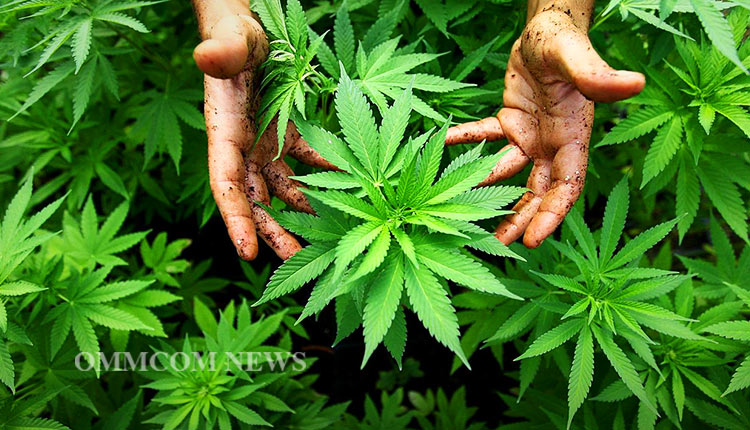
CM Sukhu said for decades, cannabis has grown wild across the valleys of Kullu, Mandi, and Chamba, often marred by associations with the illegal drug trade, but henceforth it will be widely be acclaimed for its medicinal properties for pain management and inflammation, besides its uses in textile and apparel industry, paper and packaging industry, cosmetics and personal care Industry, biofuel and energy industry, etc.
The government has identified this natural resource as a versatile industrial asset capable of producing high-value goods ranging from eco-friendly textiles to advanced bio-plastics.
“With proper regulation and awareness, hemp can become a key driver of eco-friendly industrial development, especially in hill and rural economies like Himachal Pradesh,” Sukhu said, as per an official statement.
He said a key pillar of this policy is the strict mandate ensuring that all industrial hemp cultivated in Himachal Pradesh maintains a tetrahydrocannabinol (THC) content below 0.3 per cent. This scientific threshold renders the plant non-intoxicating and entirely unsuitable for misuse as a drug, while preserving its superior properties for producing high-quality fibre and seeds.
Sukhu said following the Cabinet’s decision on January 24 to clear a pilot project for controlled cultivation is on the anvil. He said farmers were now backing up from cultivation of traditional crops due to the nuisance created by the wildlife, and monkeys destroying crops, which left little for the farmers to earn.
This strategic shift is designed to replace the plant’s “narcotic” image with a “resource” identity.
Projections indicate that regulated cultivation could generate additional revenue of Rs 1,000 crore to more than Rs 2,000 crore annually, once fully scaled. By providing a robust legal and scientific framework, the state intends to capture a market currently dominated by the black market and international imports, particularly for the burgeoning pharmaceutical and wellness industries.
Beyond fiscal gains, the ‘Green to Gold’ initiative offers a sustainable solution for Himachal’s agrarian community.
The Chief Minister said industrial hemp is a climate-resilient crop that requires 50 per cent less water than traditional fibre crops like cotton and thrives even in marginal soils where other crops struggle.
To support this transition, premier institutions like the CSK HPKV in Palampur andthe Dr Y.S. Parmar University of Horticulture and Forestry in Nauni are leading pilot studies to develop high-yield, low-THC seed varieties tailored for the Himalayan climate.
Revenue Minister Jagat Singh Negi, the Chairman of the state-level committee formed along with MLAs as members, visited Doiwala in Uttarakhand and Madhya Pradesh to examine the legal, regulatory, and practical aspects of controlled cannabis cultivation.
The committee’s report, later tabled and accepted in the Assembly, recommended regulated cultivation for industrial, scientific, and medicinal purposes.
“Hemp-hub vision aims to position Himachal Pradesh as a manufacturing centre for ‘Hempcrete’ — an innovative, carbon-negative construction material, as well as specialised textiles and Ayurvedic medicines. By fostering this new sector, the government is not only seeking to make Himachal the most prosperous state by 2032 but is also creating a new ecosystem for startups and youth employment,” CM Sukhu added.
(IANS)