






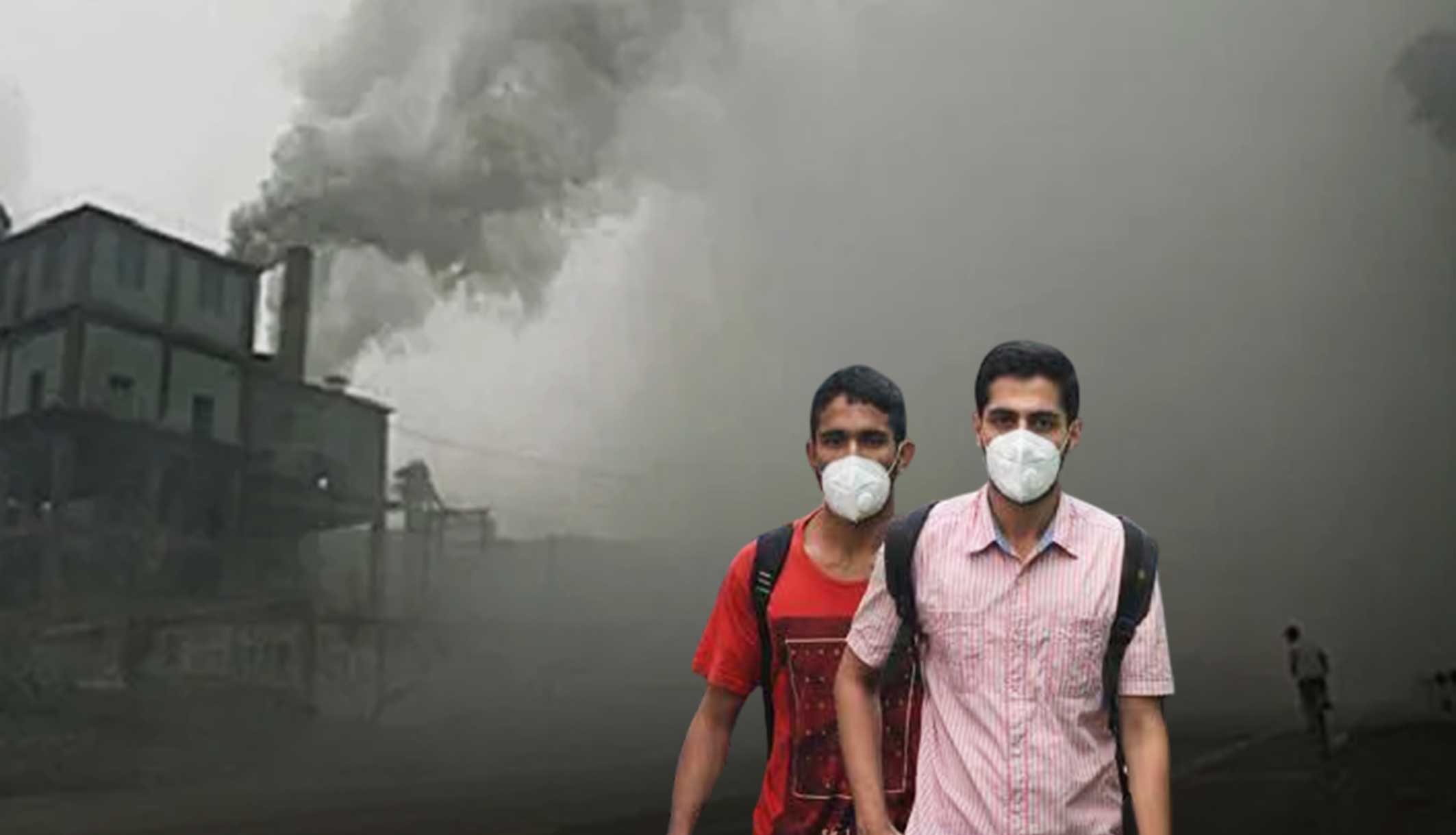
Bhubaneswar: As winter deepens across Odisha, air quality has deteriorated sharply, pushing several cities into the ‘Poor’ and ‘Very Poor’ categories and raising serious public health concerns. The latest bulletin issued by the Central Pollution Control Board (CPCB) on Saturday evening places Odisha among the most polluted regions in the country, with Talcher in Angul district topping the national chart.
According to the 4 pm CPCB bulletin, based on a 24-hour average of air quality data from 244 cities, Talcher recorded an alarming Air Quality Index (AQI) of 332, categorising it as ‘Very Poor’. Fine particulate matter, particularly PM2.5, was identified as the dominant pollutant, a matter of concern as prolonged exposure is known to aggravate respiratory and cardiac conditions. Baripada (324) and Angul (321) followed closely, placing three Odisha cities in the ‘Very Poor’ bracket on the same day.
The situation remains grim across much of the state. Six locations, including the capital Bhubaneswar (294), Cuttack (300), Balasore (297), Byasanagar (262) and Suakati (226), reported ‘Poor’ air quality, a level that can cause breathing discomfort to most people if exposure is prolonged. Health experts caution that children, the elderly and those with pre-existing respiratory ailments are particularly vulnerable under such conditions.
Some industrial and mining centres, however, fared relatively better. Rourkela (136) and Keonjhar (140) recorded ‘Moderate’ air quality, where health impacts are generally limited to individuals with asthma, lung or heart disease. A few pockets, such as Kunjemura, offered temporary relief with ‘Satisfactory’ air quality, registering an AQI of 94.
The CPCB data show that PM2.5 and PM10 remain the principal pollutants across Odisha, largely attributed to vehicular emissions, coal mining, thermal power generation and other industrial activities—sectors that are central to the state’s economy, particularly in the eastern and northern belts.
On the national scale, Odisha’s position is particularly worrying. While major metros like Delhi (267) and Kolkata (212) also reported ‘Poor’ air, Talcher’s AQI exceeded all other cities in the country on January 3. Odisha accounted for three of the five most polluted locations nationwide, highlighting the environmental cost of its industrial concentration. In comparison, southern cities such as Bengaluru and Chennai reported ‘Moderate’ air quality, reflecting regional differences influenced by weather conditions, wind patterns and urban planning.
Environmental experts point to winter-specific factors such as low wind speed and temperature inversion, which trap pollutants close to the ground, compounding emissions from industries and transport. They warn that rapid industrialisation without stringent emission controls could further intensify such episodes. Concerns have also been raised over monitoring gaps, as some towns, including Brajrajnagar, did not feature in the bulletin due to insufficient data.
Authorities have advised residents in affected areas to limit outdoor activities, use protective masks and remain alert to symptoms such as coughing or breathlessness. Officials have also called for stepped-up vehicle emission checks and stricter industrial compliance to prevent further deterioration.
As Odisha pursues growth and infrastructure expansion, the latest air quality bulletin underscores the urgent need to balance development with environmental safeguards and public health priorities. Residents are encouraged to track real-time, location-specific AQI updates through the CPCB platform as conditions continue to fluctuate during the winter season.