






Puri: The National Green Tribunal (NGT), Eastern Zone Bench in Kolkata, has directed authorities in Odisha’s Puri district to constitute a joint committee to probe allegations of illegal deforestation and construction activities in and around the eco-sensitive zones of the Balukhand-Konark Wildlife Sanctuary.
The directive came while hearing a petition that alleged large-scale tree felling, land clearing and permanent construction within the wildlife sanctuary and its designated eco-sensitive zone without obtaining mandatory approvals from competent authorities. The petitioners contended that such activities have caused serious ecological damage and violated provisions of the Environment (Protection) Act, 1986, and the Forest (Conservation) Act, 1980.
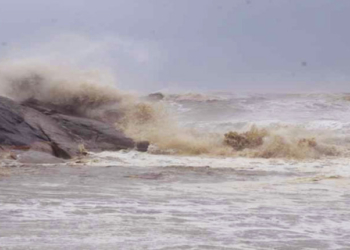
Appearing for the petitioners, counsel Akhand submitted before the tribunal that the alleged actions had led to the destruction of natural habitats within the sanctuary, an ecologically significant region known for its rich biodiversity. He further emphasised that the Balukhand-Konark Wildlife Sanctuary has historically acted as a natural shield, protecting nearby densely populated areas from tidal surges and the impact of cyclones.
Taking note of the submissions, the tribunal observed that the averments raised substantial questions relating to environmental protection and the implementation of laws listed under Schedule I of the National Green Tribunal Act, 2010. The bench said a factual verification was necessary to assess the extent of the alleged violations and their ecological consequences.
“In view of the averments made in the application, we consider it appropriate to constitute a joint committee to verify the factual position and suggest appropriate remedial measures,” the tribunal noted in its order.
Accordingly, the NGT constituted a joint committee comprising representatives from the Odisha State Pollution Control Board, the collector and district magistrate of Puri, and the divisional forest officer of the Puri Wildlife Division. The committee has been directed to convene within two weeks, carry out site inspections, examine the grievances raised by the applicant, and associate both the petitioner and representatives of the concerned project proponent during the inquiry.
The committee has also been tasked with verifying the factual position on the ground and recommending suitable remedial actions, if required. The collector and district magistrate, Puri, will serve as the nodal officer to coordinate the process and ensure compliance with the tribunal’s directions.
The tribunal has asked the committee to submit its report within one month.