






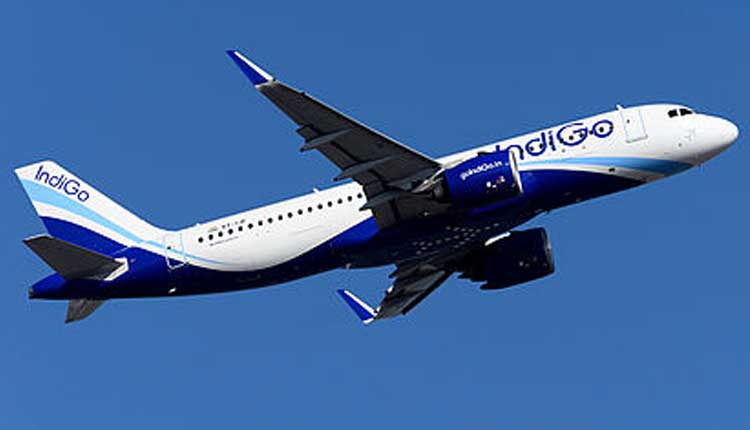
New Delhi: India’s largest airline IndiGo on Friday announced that it will introduce a fuel surcharge on both domestic and international flight tickets starting March 14, following a sharp rise in aviation turbine fuel prices linked to tensions in the Middle East.
In a statement, the airline said the surcharge will range between Rs 425 and Rs 2,300 depending on the route.
The move comes as airlines face increasing operating costs due to the surge in jet fuel prices amid the ongoing geopolitical tensions in the Gulf region.
“IndiGo, India’s leading airline, is introducing a fuel charge on domestic and international routes, effective on March 14, 2026,” the airline stated.
“This measure is taken due to the significant surge in fuel prices following the ongoing geopolitical issues in the Middle East. IATA’s Jet Fuel Monitor indicates an 85+ per cent increase in fuel prices for the region,” it added.
IndiGo said the fuel surcharge will be applied to tickets for both domestic and international flights from March 14.
The airline added that the decision was taken in response to the recent spike in aviation turbine fuel prices, which has significantly impacted operating expenses.
Earlier, Air India and Air India Express also announced the introduction of a fuel surcharge on flight tickets.
The airlines said the surcharge is being implemented due to rising operating costs caused by the sharp increase in jet fuel prices.
According to the airline group, a fuel surcharge of ₹399 per ticket on domestic flights came into effect from March 12. The same surcharge also applies to flights to destinations in the South Asian region.
For international routes, the surcharge will vary depending on the destination. Flights to West Asia will carry an additional charge of $10 per ticket, while passengers travelling to Africa will see the surcharge increase by $30 to $90.
Services to Southeast Asia will attract a surcharge ranging between $20 and $60.
Airlines said the surcharge will be implemented in phases across different domestic and international routes as they adjust to the higher fuel costs triggered by the geopolitical situation in the region.
(IANS)