






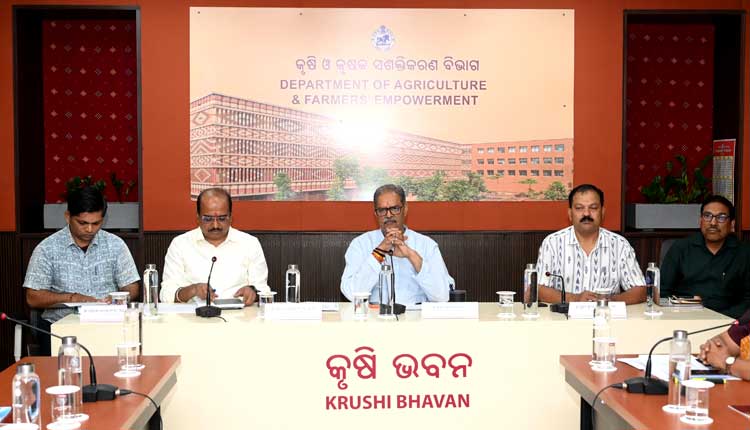
Bhubaneswar: In a significant step to safeguard agricultural heritage and promote sustainable farming, the Department of Agriculture and Farmers’ Empowerment, has signed a Memorandum of Agreement (MoA) with the Watershed Support Service and Activities Network (WASSAN).
The collaboration launches a comprehensive five-year programme titled “Revival and Sustainable Intensification of Forgotten Food and Neglected Crops in Odisha.” With a budget of Rs 247.024 crore, the scheme will run from 2025–26 to 2029–30, targeting 25 biodiversity-rich blocks across 15 districts. Key focus areas include ecologically sensitive zones near hotspots like Gandhamardhan, Niyamgiri, Sunabeda, Satkosia, Gupteswar, Malyagiri, and Similipal Biosphere Reserve.
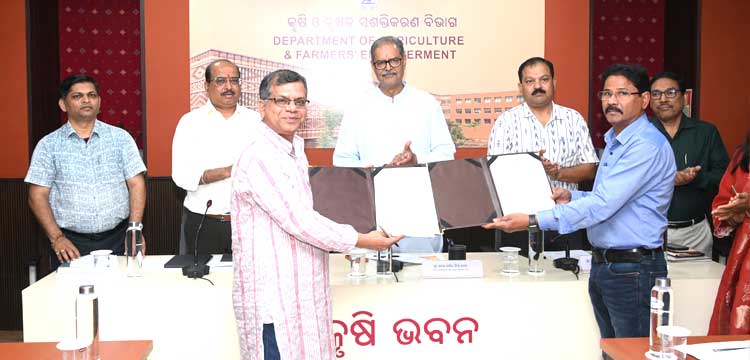 The initiative addresses the gradual disappearance of traditional crops and indigenous seed varieties displaced by modern agriculture. It emphasises conservation, documentation, multiplication of landraces, and commercialisation to revive these forgotten foods, benefiting local farmers—especially tribal communities—through enhanced livelihoods, nutrition, and climate resilience.
Deputy Chief Minister Kanak Vardhan Singh Deo highlighted the cultural significance, stating, “Food keeps tradition alive; protecting it means protecting our heritage.”
Key activities include establishing state resource centres, launching the Kamala Pujari Fellowship programme, organising farmer field schools, conducting nutritional profiling of traditional foods, and promoting value addition and market linkages for products from neglected crops.
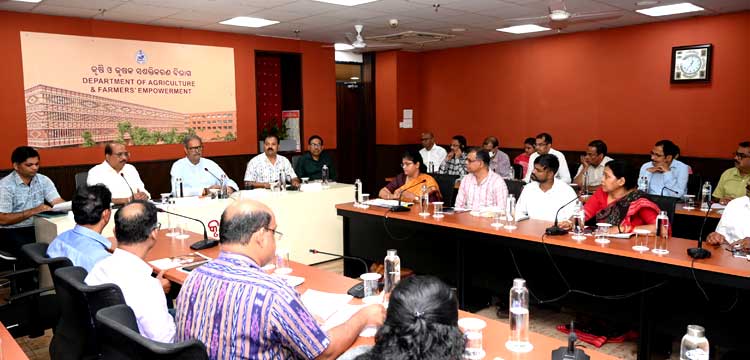
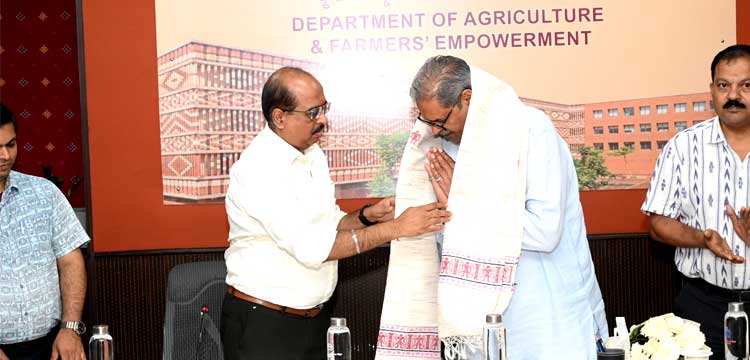
The signing ceremony was attended by senior officials, including Sachin Ramachandra Jadhav, Commissioner-cum-Secretary of the department; Kalunge Gorakh Waman, Director of Horticulture; Subrat Kumar Panda, Director of Soil Conservation and Watershed Development; and Additional Secretary Ganeshwar Jena.
This multi-stakeholder approach aligns with Odisha’s ongoing efforts in agro-biodiversity conservation, positioning the state as a model for reintegrating neglected crops into modern diets and ensuring food security amid climate challenges. The programme is expected to directly support around 60,000 farmers while preserving indigenous knowledge and crop diversity.