





Bhubaneswar: Odisha has emerged as a leading performer under the Atal Mission for Rejuvenation and Urban Transformation (AMRUT) 2.0, setting new benchmarks in urban development, implementation efficiency, and service delivery.
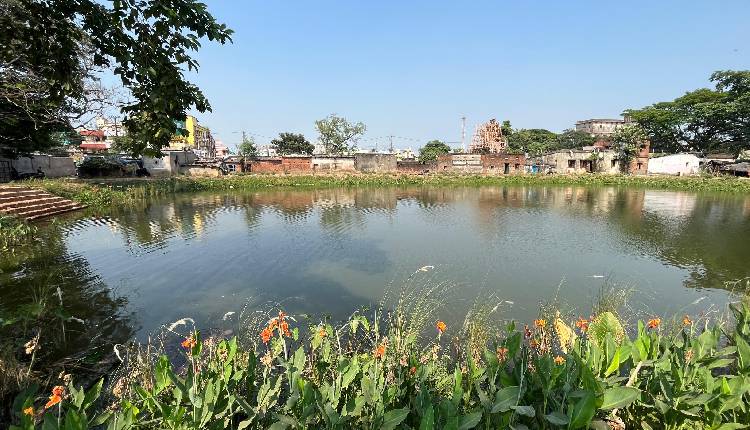
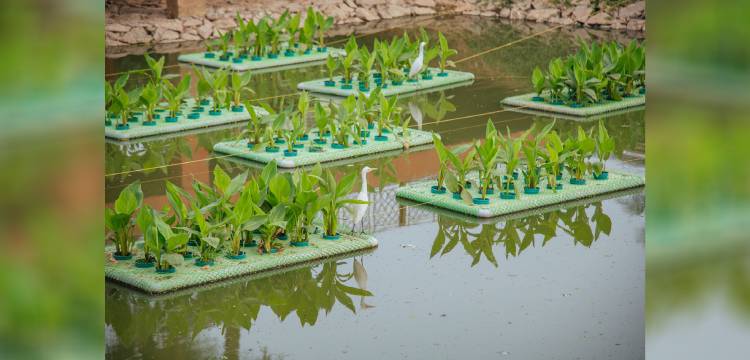
Launched in October 2021 and extended until March 2027, AMRUT 2.0 aims to ensure universal water supply, rejuvenation of water bodies, and improved urban infrastructure across cities. In Odisha, the mission has witnessed significant progress across 89 Urban Local Bodies (ULBs), with 345 projects approved at an estimated cost of Rs 4,030.18 crore, covering both water supply and water body rejuvenation initiatives.
Demonstrating strong execution, 99 projects have already been completed, while the remaining ones are progressing steadily through various stages of implementation. The state has achieved near-total utilisation of available funds, reflecting robust financial planning and efficient project management.
Under AMRUT 2.0, Odisha has made notable strides in strengthening urban water infrastructure. Seven water treatment plants, with a combined capacity of 43 MLD, have been commissioned, benefiting 2.83 lakh citizens. In addition, 24×7 water supply systems have been operationalised in key urban centers, alongside the provision of over 2.7 lakh household water connections. Overall, more than 5 lakh urban residents have directly benefited from these interventions.
Housing & Urban Development Minister Dr. Krushna Chandra Mahapatra said, “Securing the top rank under AMRUT 2.0 reflects Odisha’s focused approach towards ensuring reliable water access and stronger urban infrastructure. Our priority is clear—every household should have access to safe water, every city should have efficient systems, and every ULB should be empowered to deliver better services. We will continue to build cities that are resilient, inclusive, and future-ready, aligned with the vision of a Viksit Odisha.”
The state has also actively leveraged complementary initiatives of the Ministry of Housing and Urban Affairs. Under the “Pey Jal Survekshan” and “Jal Hi AMRUT” programmes, Odisha has secured incentives and is advancing projects for improved water management and reuse. Community-driven initiatives such as the “AMRUT Mitra” and “Women for Trees” programmes have further strengthened environmental sustainability, with plantation drives and water body rejuvenation undertaken through women self-help groups.
In a forward-looking approach, Odisha has initiated innovative financing mechanisms under the “Credit Enhancement Initiative,” enabling smaller ULBs to undertake infrastructure projects and expand service delivery.