





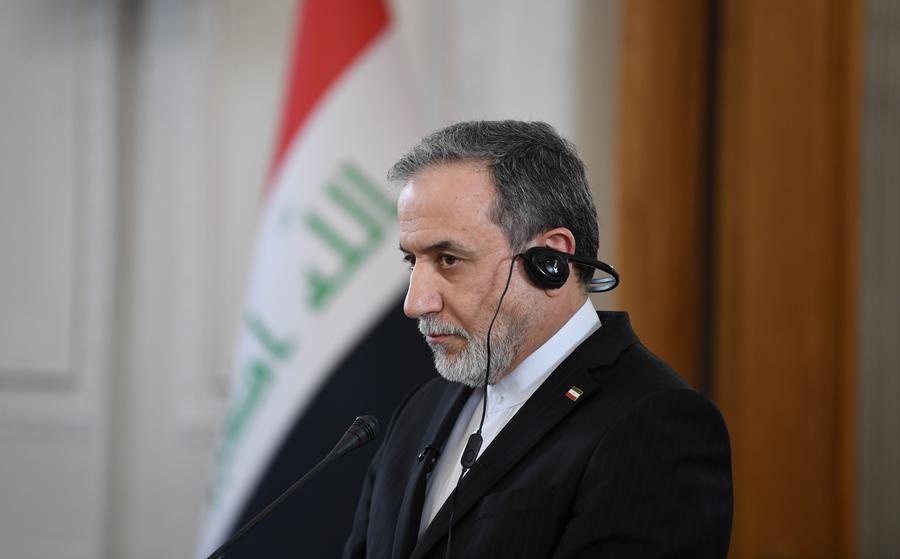
Tehran: Iranian Foreign Minister Seyed Abbas Araghchi and Lebanese Parliament Speaker Nabih Berri have strongly condemned Israel’s “aggressive” actions against Lebanon.
In a phone call, the two sides discussed the latest developments in Lebanon and the West Asia region, peace negotiations between Iran and the United States, and other issues of common concern, Xinhua news agency reported quoting a statement released by the Iranian Foreign Ministry on Thursday.
Araghchi and Berri called for global efforts to end Israel’s “brutal” actions in southern Lebanon that have left thousands dead and wounded, destroyed residential areas and infrastructure in Lebanon, and displaced many Lebanese people, read the statement.
They agreed to continue bilateral consultations and coordination.
Araghchi said that the cessation of Israeli “aggressions” against Lebanon was part of the ceasefire agreement between Iran and the United States, and that Iran will pay attention to the issue in any diplomatic process in the future.
Berri stressed the need to hold Israel accountable for its actions in Lebanon.
The ceasefire between Israel and Lebanon took effect at midnight between April 16 and 17, following weeks of intensified cross-border fighting linked to the US-Israeli war with Iran. On April 23, US President Donald Trump said the current 10-day ceasefire would be extended by three weeks.
In a separate phone call with his Swiss counterpart Ignazio Cassis, Araghchi said insecurity in regional waters, especially the Strait of Hormuz, is a direct result of the US and Israeli “aggression” against Iran, read another ministry statement.
Cassis underlined his country’s principled position in support of diplomacy to end the war and establish peace in the region, read the statement.
Also on Thursday, the US Embassy in Lebanon said in a statement that it backs a potential meeting between Lebanese President Joseph Aoun and Israeli Prime Minister Benjamin Netanyahu.
On February 28, Israel and the United States launched joint attacks on Tehran and other Iranian cities, killing Iran’s then Supreme Leader Ali Khamenei, senior commanders, and civilians. Iran responded with waves of missile and drone strikes targeting Israel and US interests in the Middle East, and a tightened control over the Strait of Hormuz.
The ceasefire between Iran, the United States and Israel took effect on April 8, and was followed by lengthy talks between Iranian and US delegations in Pakistan’s capital Islamabad, which failed to yield an agreement. The United States later imposed its own blockade on the strait.
(IANS)