





Bhubaneswar: The Odisha government has intensified its focus on improving health, education and nutrition outcomes through its ‘Proactive Governance Attention for Yielding Results and Advancing Social Sector (Prayas)’ initiative, with Chief Secretary Anu Garg directing departments and district administrations to adopt coordinated, field-based and outcome-oriented interventions.
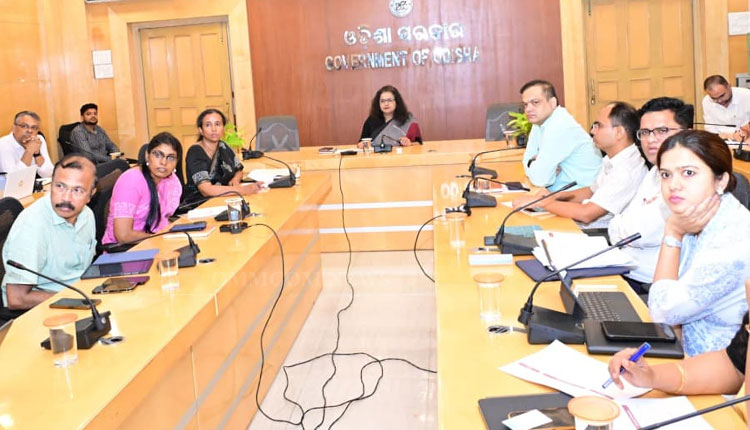
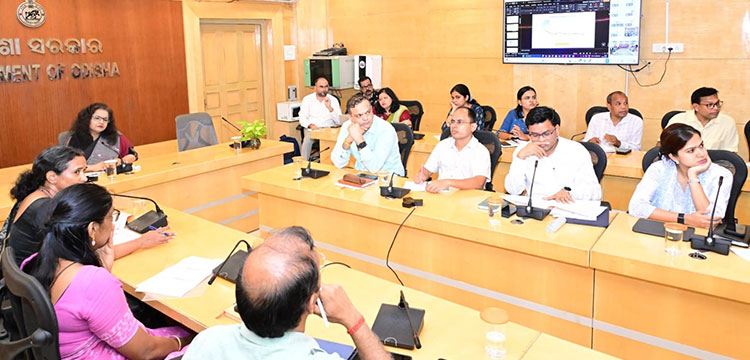
The second meeting of the ‘Prayas’ platform was held on Wednesday at Lok Seva Bhavan under the chairmanship of the Chief Secretary to review the performance of key social sector departments and identify measures for improving service delivery.
Conceived on the lines of the Centre’s ‘Pragati’ platform, ‘Prayas’ has been established by the state government to ensure effective implementation, regular monitoring and timely corrective action in critical sectors including health, school education, women and child development, social welfare and nutrition.
Senior officials, including Health and Family Welfare Commissioner-cum-Secretary Aswathy S, School and Mass Education Commissioner-cum-Secretary N. Thirumala Naik, Director of Social Welfare P. Anvesha Reddy and secretaries of concerned departments, attended the meeting.
Reviewing the health sector, the meeting examined district-wise maternal mortality, institutional newborn deaths and findings of field inspections conducted by state-level teams. Officials informed the meeting that maternal and newborn mortality had declined during January-June this year following regular monitoring and corrective interventions.
The Chief Secretary directed officials to strictly adhere to referral protocols, ensure adequate deployment of doctors and healthcare personnel, strengthen hospital management, maintain uninterrupted availability of medicines and essential supplies, and enforce infection prevention measures in labour rooms, operation theatres and newborn care units.
District Collectors were instructed to conduct regular review meetings with Chief District Medical and Public Health Officers, undertake hospital inspections to identify implementation gaps and ensure prompt corrective measures. Monthly district-level reviews will be mandatory, while state-level teams will monitor compliance during field visits.
Tuberculosis elimination was another major focus of the meeting. The Health Department outlined the roadmap for implementing the ‘100 Days Campaign’ under the ‘TB Mukt Bharat Abhiyan’, with the Health Secretary announcing that TB-related issues would be reviewed twice every month through both the ‘Prayas’ and ‘Pragati’ platforms. The initiative aligns with India’s target of eliminating tuberculosis by 2030 under the Sustainable Development Goals.
As part of the campaign, TB screening will be carried out in 13,271 high-risk villages and urban wards across Odisha. The meeting emphasised strengthening X-ray-based screening, ensuring completion of preventive treatment and regular follow-up of vulnerable populations. Districts were directed to appoint a First-Class Officer for every block to oversee implementation of the campaign.
The meeting also reviewed the School and Mass Education Department’s Performance Grading Index (PGI) for 2024-25, with emphasis on improving foundational learning outcomes, particularly reading, writing and mathematics, while enhancing classroom teaching standards.
Officials were directed to address teacher shortages, identify and re-enrol school dropouts, operationalise hostels and commence higher secondary education in recently upgraded schools. The Chief Secretary stressed coordinated efforts involving teachers, parents, local communities and government departments to reduce dropout rates.
Reviewing women and child development initiatives, the meeting focused on implementation of social welfare guidelines and strategies to reduce child malnutrition. District Collectors were directed to strengthen early identification, treatment and nutritional support for children affected by stunting, wasting and underweight conditions.
The review also highlighted the need to prevent malnutrition among pregnant and lactating women by promoting early breastfeeding, age-appropriate complementary feeding, safe drinking water and improved hygiene practices. Anganwadi centres were instructed to intensify growth monitoring, home visits, nutrition counselling and community awareness programmes.
The meeting reviewed progress under the ‘Suposhit Odisha Mission’, which aims to make all Anganwadi-covered areas in the state free from malnutrition by 2029 by ensuring improved nutrition, healthcare services and timely support for mothers, children and other vulnerable groups.
Concluding the meeting, Anu Garg urged all departments and district administrations to transform routine monitoring into a proactive governance mechanism focused on problem-solving and measurable outcomes to achieve sustained improvements in Odisha’s human development indicators.