





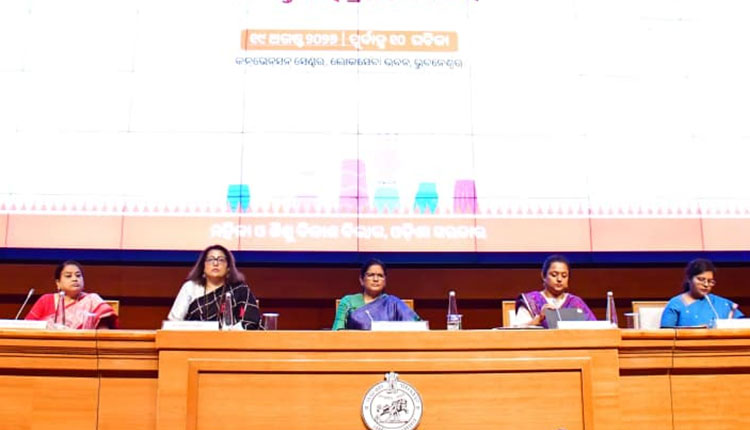
Bhubaneswar: The Odisha government on Wednesday organised a state-level orientation programme on the Protection of Women from Domestic Violence Act, 2005 and the Dowry Prohibition Act, 1961, with Deputy Chief Minister Pravati Parida calling for coordinated efforts to build a “Dowry-Free Odisha” and “Domestic Violence-Free Homes”.
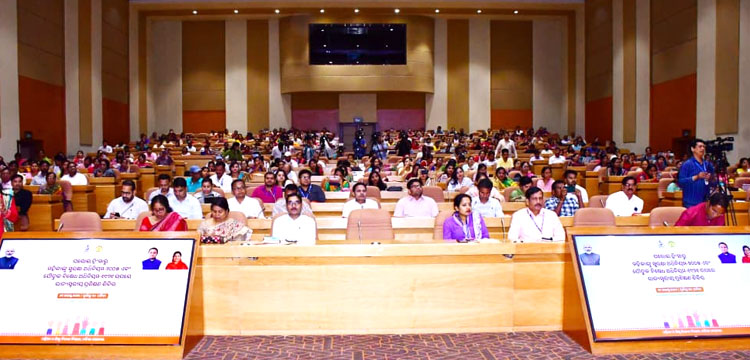
The programme, organised by the Department of Women and Child Development at the State Convention Centre in Bhubaneswar, focused on the legal provisions under the two Acts, the roles and responsibilities of stakeholders, and mechanisms for coordinated action in cases of domestic violence and dowry-related offences.
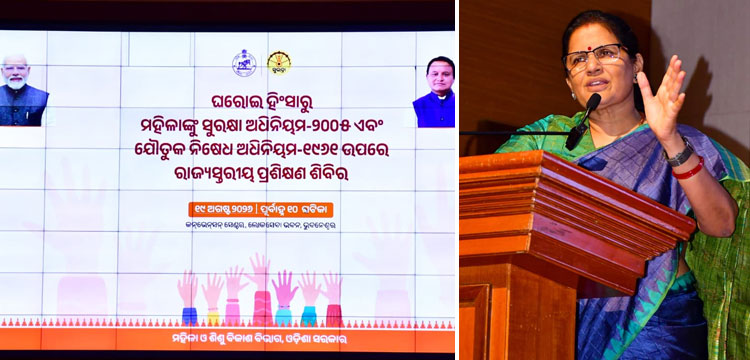
Commissioner-cum-Secretary of the Women and Child Development Department Mrinalini Darswal, Director Monisha Banerjee and Additional Secretary Sumitra Pattnaik were among those present.
Sub-Collectors, Protection Officers, police personnel, functionaries of One Stop Centres (OSCs) and Shakti Sadans, representatives of District Legal Services Authorities (DLSAs) and officials of District Hubs for Empowerment of Women (DHEW) from different parts of Odisha participated in the programme.
Addressing the participants, Parida reiterated the state government’s commitment to ensuring the safety, dignity and empowerment of women and girls. She stressed that awareness of legal rights is essential for women to become empowered and raise their voices against violence, discrimination and dowry-related practices.
She said the government’s objective of creating a “Dowry-Free Odisha” and “Domestic Violence-Free Homes” could be achieved only through effective implementation of laws, awareness at the grassroots level and coordinated action by all stakeholders.
The Deputy Chief Minister urged officials and frontline functionaries to ensure that women facing domestic violence or dowry-related harassment receive timely protection, legal assistance, counselling and other support services.
She also stressed the need for a responsive and coordinated support system to ensure that women in distress can access assistance within the stipulated time and receive the protection and justice to which they are entitled.