





Bhubaneswar: As India advances towards the vision of a Swachh Bharat, cleanliness is increasingly being recognized as a reflection of collective responsibility. More than a matter of appearance, it represents the everyday discipline and ownership that shape workplaces, public spaces and communities. In large industrial ecosystems, these principles influence how resources are managed, workplaces are maintained, and people take responsibility for their surroundings. At Vedanta Aluminium, India largest producer of aluminium, cleanliness is embedded into the companys operating culture through practices that encourage shared ownership across plant, township and neighbouring communities. By fostering cleaner, safer and more efficient environments, the company is contributing to broader efforts that support sustainable development and the nation's journey towards a Viksit Bharat.
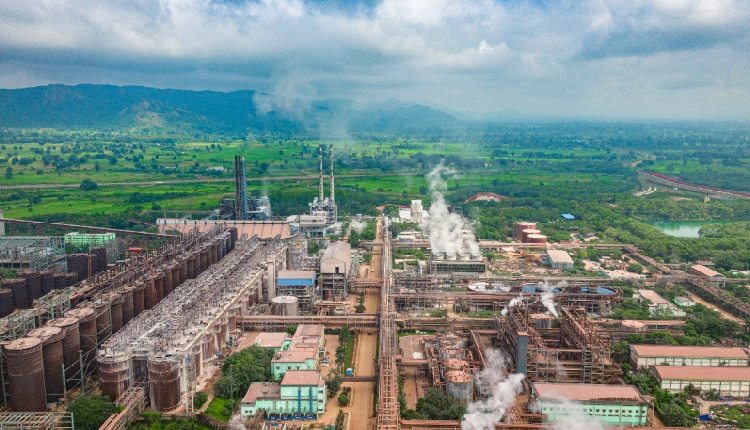
This culture of ownership is reflected across Vedanta Aluminium operations, with its Jharsuguda plant offering a strong example of how cleanliness is embedded into everyday working practices. Guided by 5S principles that promote organised, efficient and disciplined workspaces, the operation follows a structured approach to workplace management through regular reviews and continuous improvement initiatives. Teams systematically identify and remove excess materials, helping create more organised work environments while improving space utilisation. These efforts have helped recover over 400 square metres of workspace and reduce daily operator movement by more than three kilometres, contributing to improved ergonomics and operational efficiency. Reflecting the effectiveness of these efforts, Vedanta Aluminium Smelter and Power Plant has been awarded 5S Certification by the Quality Circle Forum of India in collaboration with Union of Japanese Scientists and Engineers (JUSE), while Vedanta Meadows, the company & residential township in Jharsuguda, recently received the M.K. Rout Pollution Control Appreciation Award 2026 in the Industrial Township category.
At the heart of these achievements is a culture of individual ownership. Through the My Area My Machine initiative, employees and business partners take ownership of specific workspaces and equipment, encouraging accountability and pride in their surroundings. This culture is further reinforced through recognition programmes such as Utkrisht, which celebrate teams that demonstrate exemplary workplace organization and cleanliness standards, helping embed these practices into the fabric of everyday operations.
While workplace organization begins with individual ownership, sustaining cleanliness at scale requires responsible resource management. At BALCO, this philosophy is reflected in structured 5S practices, mechanized cleaning systems and systematic waste segregation across operational areas. The operation Waste to Wealth & approach focuses on the recovery,recycling and responsible management of materials, helping improve resource efficiency while reducing environmental impact. Through designated collection systems and organized scrap Sensitivity: Public management practices, cleanliness becomes closely linked with the broader goal of using resources more responsibly and efficiently. A similar emphasis on responsible consumption is visible at Vedanta Aluminium Lanjigada operations, where efforts to reduce waste generation are complemented by stronger environmental practices. The site certification as a single-use plastic-free operation by the Confederation of Indian Industry under its Plastic Use Protocol reflects an ongoing commitment to fostering a more resource-conscious workplace culture, where cleanliness and sustainability go hand in hand.
Beyond plant boundaries, the same principles extend to community wellbeing. Recognizing the role of sanitation in public health and quality of life, Vedanta Aluminium has undertaken initiatives aimed at creating cleaner and healthier communities. Through Project Nirmal, the company Kuraloi, Jamkhani and Ghogharpalli coal mines installed 50 bio-toilets across 27 locations during FY25, benefiting approximately over 4,700 community members. Established in schools, Anganwadi centres and government healthcare facilities, these systems are complemented by awareness initiatives, safe drinking water infrastructure and community-led cleanliness drives that encourage greater ownership of shared spaces.
At Sijimali, a similar approach is being advanced through the Health & Sanitation Project across 16 villages in Kalahandi and Rayagada districts. Through interventions focused on hygiene awareness, sanitation infrastructure and waste management, the initiative reached over 8,800 beneficiaries in FY27. Together, these efforts demonstrate how cleanliness can evolve from a periodic activity into a shared culture of responsibility, contributing to cleaner workplaces, healthier communities and the broader vision of a Swachh Bharat and Viksit Bharat.