





Gandhinagar: Gujarat is turning to genomics in its search for sporting talent, with the state launching a Sports Genomics Programme that will analyse athletes’ DNA alongside physiological and performance data in an effort to make talent identification and athlete development more evidence-based ahead of the 2030 Commonwealth Games.
The programme, being implemented by the Gujarat Biotechnology Research Centre (GBRC) under the Department of Science and Technology, will target about 2,000 athlete samples this year and around 10,000 over five years.
The initiative comes ahead of National Sports Day on August 29 and as Gujarat prepares for the 2030 Commonwealth Games.
The programme has also been officially described by the state as India’s first state-level Sports Genomics Programme.
Science and Technology Minister Arjun Modhwadia said the initiative would combine genomics with sports science, physiology and nutrition.
“Under the guidance of Chief Minister Bhupendra Patel the initiative, being undertaken by the Gujarat Biotechnology Research Centre under the Department of Science and Technology, seeks to combine genomics with sports science, physiology and nutrition to create a more scientific and evidence-based approach to sporting talent. Gujarat is the first state in India to launch a Sport Genomics Programme,” he said.
GBRC has already begun collecting samples, with the first batch taken from tennis players associated with the Gujarat State Tennis Association.
The next phase is planned among athletes in archery, fencing, judo and shooting from the Vijayi Bharat Foundation. “2,000 samples would be collected this year,” he said.
The programme will use whole-genome sequencing to study genetic variations that may be associated with characteristics relevant to sporting performance, including endurance, power, muscle composition, metabolism, response to exercise, recovery and susceptibility to injury.
Officials have stressed that the programme does not treat genetics as the sole determinant of athletic success, with training, coaching, nutrition, infrastructure, social support and other environmental factors also influencing performance.
P. Bharathi, Secretary of the Department of Science and Technology, said the programme would supplement conventional methods of identifying sporting talent.
“Traditional talent identification generally relies on physical measurements, coaching assessments and performance during trials. Gujarat’s proposed model seeks to add genetic and biological information to this process, providing a more comprehensive picture of an athlete,” she said.
The research will examine traits associated with power, endurance, injury risk and exercise response, as well as areas including nutrigenomics, lifestyle genomics, personality-related traits and circadian rhythms.
Digvijaysinh Jadeja, Mission Director of the Gujarat State Biotechnology Mission, said whole-genome sequencing would be a key component, particularly for athletes involved in endurance, power and other sporting categories.
Researchers will seek to identify and validate genetic markers associated with performance and examine genetic factors that may be linked to sports injuries.
The programme envisages covering athletes across a wide range of disciplines, including athletics, swimming, boxing, wrestling, judo, taekwondo, gymnastics and fencing.
Team and ball sports such as football, hockey, handball, volleyball and basketball are also included, along with badminton, table tennis, lawn tennis, kabaddi and kho-kho. Archery, shooting and chess are among the precision and skill-based disciplines covered by the broader plan.
Athletes below 14, those aged 14 to under 18 and those above 18 are proposed to be included, with state and national champions identified as a priority group.
The plan is to collect approximately 2,000 samples annually for whole-genome sequencing and analysis, building a dataset of about 10,000 samples over five years.
A central component of the project will be the proposed Gujarat Athlete Genome Database (G-AGD), which is intended to bring together genetic, physiological and sporting-performance information.
The database could provide a long-term resource for athlete profiling and research, while genomic and physiological information could also be used to explore more personalised approaches to training, nutrition and recovery.
The proposed applications include genetic profiling, evidence-based talent identification, injury-risk assessment, recovery strategies and personalised training and nutrition programmes.
Bioinformatics analysis is also envisaged to support genotype-based performance prediction models.
Scientists involved in the programme have, however, emphasised that there is no single “sports gene” that determines whether an athlete will succeed.
Sporting performance is a complex characteristic involving multiple genetic and environmental influences, and the stated objective is to use genomic information as one component of a wider athlete-assessment framework.
The programme also forms part of Gujarat’s broader effort to develop sports biotechnology capabilities.
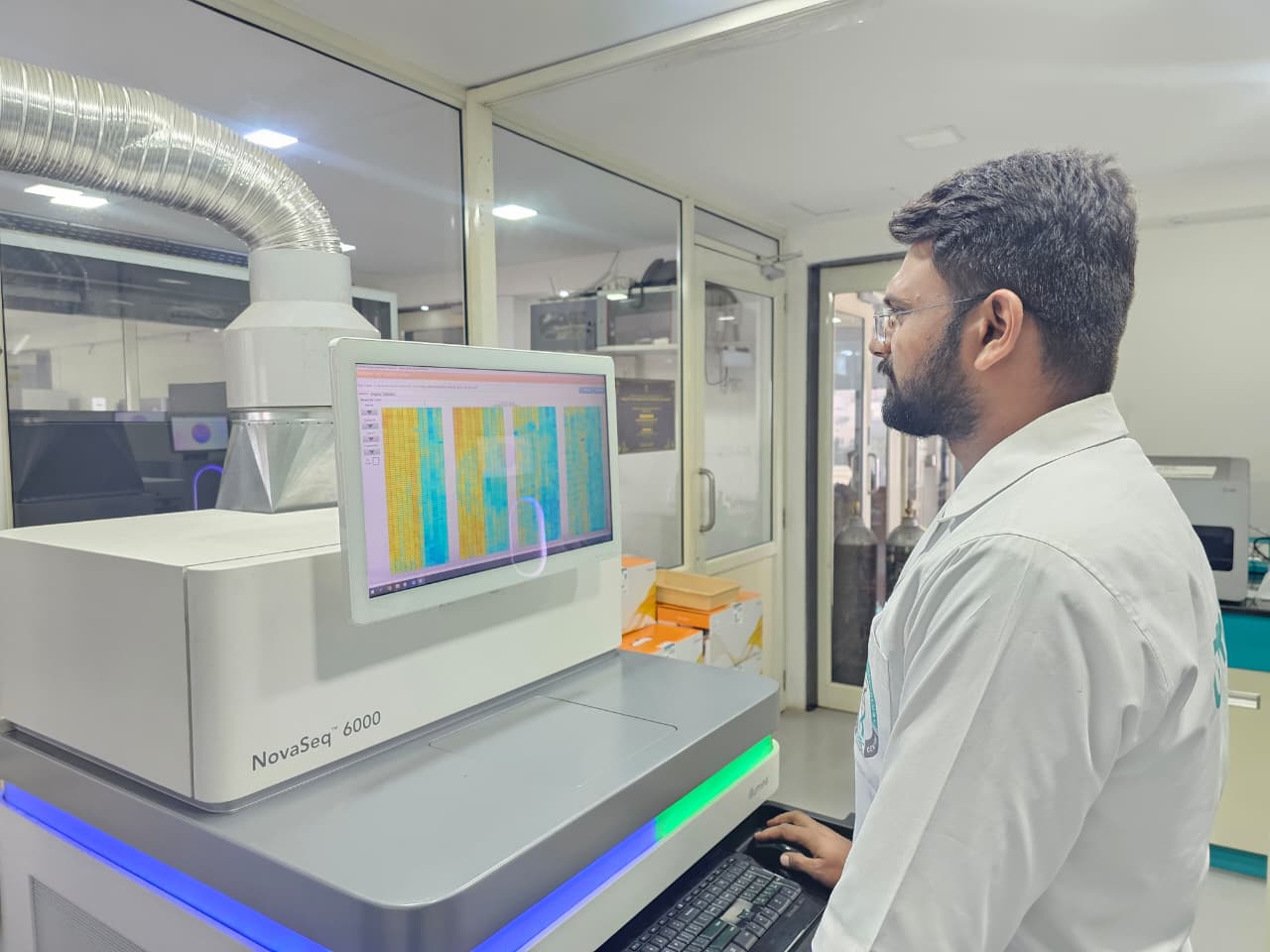
GBRC has infrastructure for genomic sample processing, sequencing and data analysis, including NovaSeq 6000, GridION and PromethION platforms, Illumina iScan, Illumina DRAGEN and high-performance computing facilities.
GBRC has separately advertised research positions for its project titled “A programme on Sport Genomics to Empower Gujarat’s Athletes”.
With genetic information being highly sensitive, the programme also proposes safeguards covering informed consent, data security, controlled access and responsible use.
Athlete identities are to be protected through a two-level barcoding system, while governance mechanisms will be important as the database expands.
The programme therefore places Gujarat’s sports-development plans at the intersection of genomics, sports science and high-performance training, with the state seeking to build a scientific dataset that can be used alongside conventional coaching and performance assessment rather than replacing them.
(IANS)