





New Delhi: India’s economy has become less dependent on monsoon rains, with expanding irrigation networks and changing cropping patterns over the last decade insulating agriculture and rural demand from the kind of shocks seen in earlier years, according to a report
Historically, deficient monsoons often translated into sharp declines in agricultural output and rural incomes. In 2002, for instance, rainfall fell to 81 per cent of the long-period average, leading to a steep drop in foodgrain production and a severe contraction in rural disposable incomes, the report by brokerage and research analyst firm Bernstein said.
However, that correlation has weakened over the past decade. India continued to register rising foodgrain production despite below-normal monsoons in 2018-19 and 2023-24, it added.
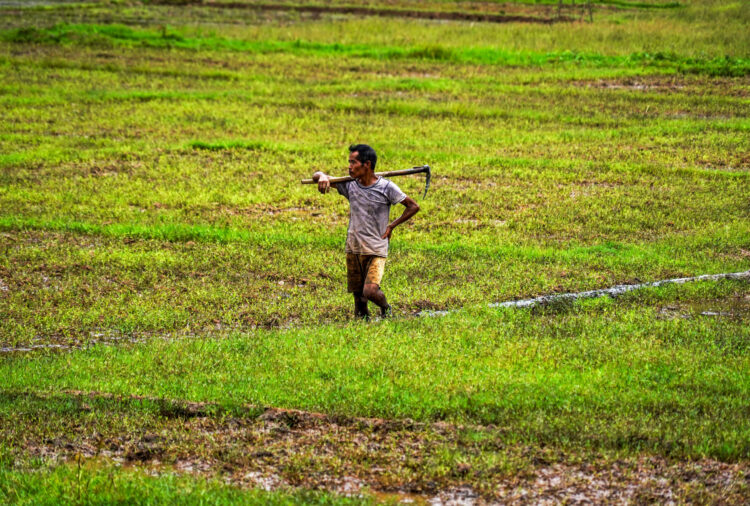
The shift has largely been driven by greater access to irrigation and a move toward year-round farming.
“Monsoons aren’t impacting India the way they used to, and the changing dynamics warrant a reset in how we perceive rainfall and its effects,” the Bernstein report said.
It highlights that India’s irrigated area now covers nearly 60 per cent of total cultivated land, up from around 42 per cent in the early 2000s. Irrigation coverage in major agricultural states has increased to around 67 per cent from 54 per cent in 2009, with tubewells and canals becoming important buffers against rainfall deficiencies.
At the same time, India’s dependence on the monsoon-centric Kharif season has reduced sharply. Kharif crops, which accounted for nearly 60 per cent of total foodgrain production until the 1990s, contributed only 47 per cent of total output in 2025-26. Rabi crops and a relatively new summer sowing season running from February to May have steadily gained importance, the report observes.
It states that these structural changes mean poor monsoons are no longer an immediate food-security threat and are unlikely to devastate rural demand in the way they once did.
“While low rainfall is still harmful, it is unlikely to kill rural demand like it had in the past,” the Bernstein report states.
The impact of deficient monsoons is now likely to be more nuanced, affecting specific pockets of the economy rather than triggering broad-based distress.
Food inflation risks, for instance, are expected to be more contained and concentrated in select categories such as pulses and vegetables rather than causing a widespread surge in prices.
The brokerage noted that a record wheat harvest of around 121 million tonnes and improved irrigation coverage in major agricultural states, including Punjab, Haryana and Uttar Pradesh, should help cushion the impact of delayed rainfall.
Similarly, concerns around delayed Kharif sowing may be exaggerated. Although only around 8 per cent of the normally cultivated area had been sown by mid-June, this is not significantly different from historical trends, as the bulk of Kharif sowing typically takes place in the second week of July, the report points out.
However, the report points out that poor rainfall does pose a longer-term macroeconomic challenge through groundwater depletion and rising electricity demand. Reservoir levels have already fallen to levels that are among the lowest in recent years. Lower rainfall could intensify dependence on groundwater and electric-powered irrigation systems, pushing up power demand from the farm sector and further straining water resources.
(IANS)