





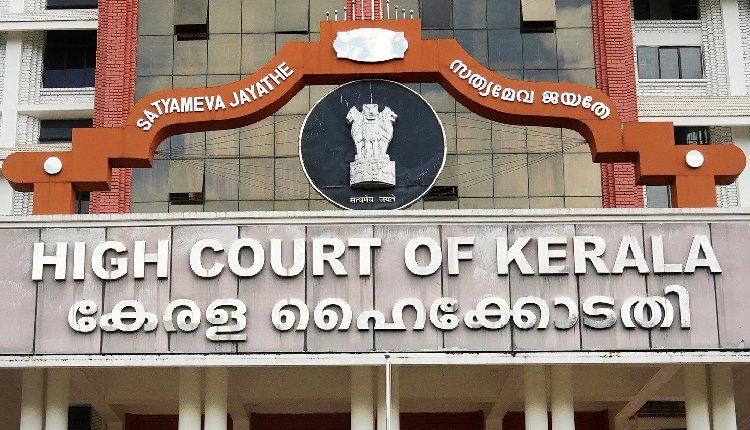
Kochi: With the electoral clock nearing its final hour, the Kerala High Court on Thursday declined to grant interim relief to thousands of election duty officials who say they were denied the chance to vote in the April 9 Assembly elections.
Voting took place in Kerala on April 9, and counting of votes will take place on Monday.
A batch of writ petitions had alleged large-scale disenfranchisement of government employees deployed on poll duty, many of whom claimed they never received their postal ballots despite applying within the stipulated time.
The petitioners, including the Joint Council of State Service Organisations and the Kerala NGO Union, argued that nearly 6,000 officials were left without ballots, while broader estimates placed the affected number at over 20,000.
Justice K.V. Jayakumar, however, ruled that the court could not intervene at such an advanced stage of the electoral process.
“Interference by way of an interim order is not warranted,” the court observed, effectively declining urgent relief sought by the petitioners.
The decision comes despite earlier judicial concern over the issue.
In previous hearings, the court had flagged the seriousness of denying voting rights to polling officials and directed the Election Commission of India (ECI) to take corrective steps.
Acting on that direction, the Commission issued instructions to facilitate voting by such personnel.
Yet, petitioners maintained that the measures fell short, with many still unable to cast their votes as deadlines lapsed while they were on duty.
The ECI, for its part, defended its process, stating that all necessary steps had been taken in accordance with the law.
It attributed instances of non-receipt to defective or unsubmitted applications, and also raised a technical objection that such grievances should be pursued through election petitions rather than writ proceedings.
On this point, the court offered clarity, holding that writ petitions remain maintainable in appropriate cases, citing the Supreme Court’s ruling in Election Commission of India v. Ashok Kumar.
While this keeps the legal door ajar, immediate electoral relief has been firmly shut.
As the state heads toward counting day, the episode leaves behind an uncomfortable question: in a system built on universal franchise, who ensures that even those running the election get to vote in it?
(IANS)