






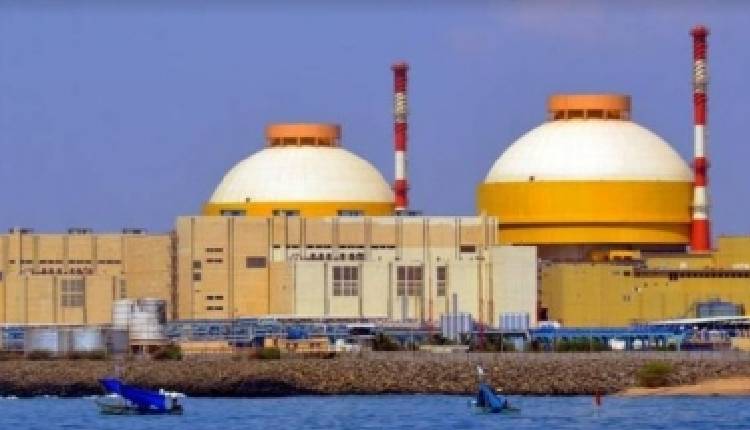
New Delhi: India operates 24 nuclear power reactors with a total installed capacity of 8.78 gigawatts and has nine reactor units with a combined 7.5 gigawatts under construction, as the country advances to achieving 100 GW of nuclear power capacity by 2047, an official factsheet said on Friday.
Recent policy initiatives, including the Nuclear Energy Mission (2025–26) and the SHANTI Act, 2025, are accelerating capacity expansion, strengthening domestic manufacturing, promoting innovation and enabling greater private sector participation.
The government has also approved 10 indigenous Pressurized Heavy Water Reactors (PHWRs) in fleet mode and pre-project activities for two 500 MW Fast Breeder Reactors (FBR), the statement said.
India’s nuclear programme is guided by a strategy of technological self-reliance, developed to overcome historical fuel embargoes while harnessing the country’s vast thorium reserves.
The statement outlined India’s indigenously designed three-stage nuclear power programme, which enables a gradual transition from uranium- to thorium-based fuel cycles.
The programme is contributing to India’s vision of sustainable development by advancing indigenous innovation, expanding clean and reliable electricity generation, and ensuring long-term energy security.
India’s long-term nuclear strategy is centred on utilising its abundant thorium reserves, through its three-stage nuclear power programme.
India is among the few countries with vitrification technology for high-level radioactive waste. The process converts high-level radioactive waste into a stable glass form, making it safer for long-term storage, transport, and eventual disposal.
The statement added that the government has placed nuclear energy at the core of its long-term energy strategy after recognising the growing demand for clean, reliable and stable baseload electricity.
Nuclear power provides round-the-clock, low-carbon electricity, complementing renewable energy while ensuring grid stability. It also reduces dependence on imported fossil fuels and supports India’s climate commitments.
The statement noted that India is developing robust indigenous capabilities across the entire nuclear fuel cycle, including reactor design, fuel fabrication, waste management, and advanced technologies.
(IANS)