



Bhubaneswar: Odisha took another significant step towards strengthening early childhood care and nutrition infrastructure with the virtual inauguration of 491 newly constructed Anganwadi centres across the state on Wednesday.
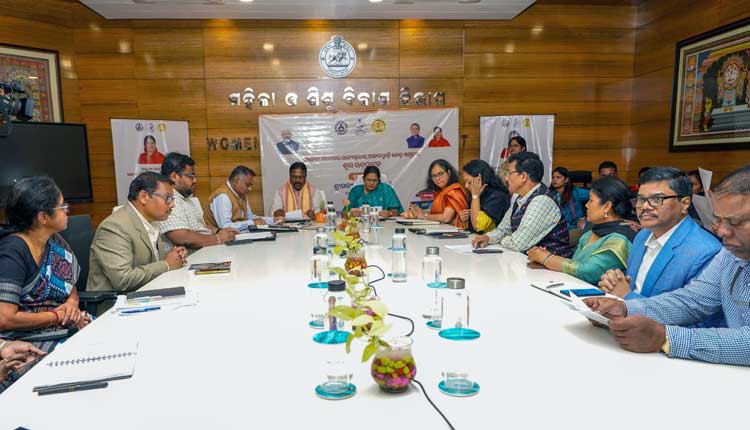
The centres were inaugurated by Deputy Chief Minister and Minister for Women and Child Development Pravati Parida in the presence of Minister for Panchayati Raj and Drinking Water Department and Rural Development, Rabi Narayan Naik.
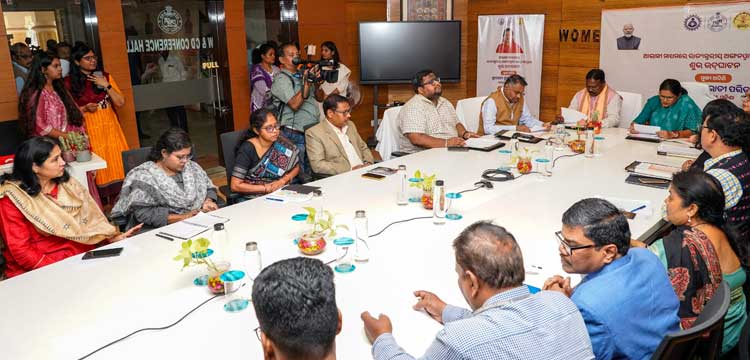
Addressing the programme, Deputy Chief Minister Parida underlined the critical role played by Anganwadi centres in shaping the health, nutrition, and overall development of children, particularly in rural and underserved areas.
Emphasising that strong Anganwadi centres are the foundation of a strong future, she said the state government is prioritising the creation of robust and child-friendly infrastructure to ensure quality service delivery at the grassroots level.
She noted that the newly constructed centres have been developed with a focus on essential facilities such as cleanliness, safe drinking water, toilets, electricity connections, and dedicated play areas for children. Special emphasis has also been laid on nutrition gardens, which are expected to support supplementary nutrition initiatives and promote healthy dietary practices among beneficiaries.
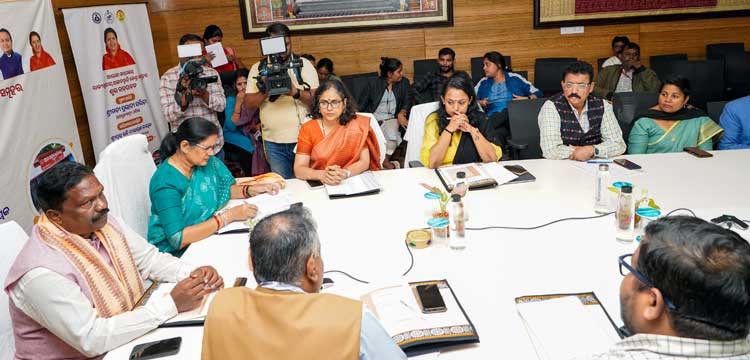
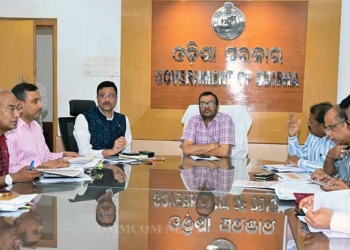
The programme witnessed the participation of senior officials, including Principal Secretary of the Women and Child Development Department, Shubha Sharma; Secretary of the Panchayati Raj and Drinking Water Department, Girish S.N.; and Director of the Women and Child Development Department, Monisha Banerjee.
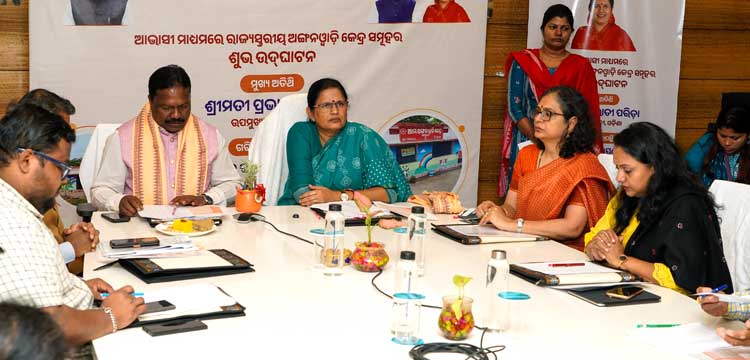
District collectors from all districts joined the event virtually, along with chief development officers, block development officers, district social welfare officers, child development project officers, Anganwadi workers, and helpers.
Officials highlighted that the expansion and upgradation of Anganwadi infrastructure is aligned with the state government’s broader commitment to improving maternal and child health indicators, strengthening nutrition delivery mechanisms, and enhancing the working environment for frontline women workers.