




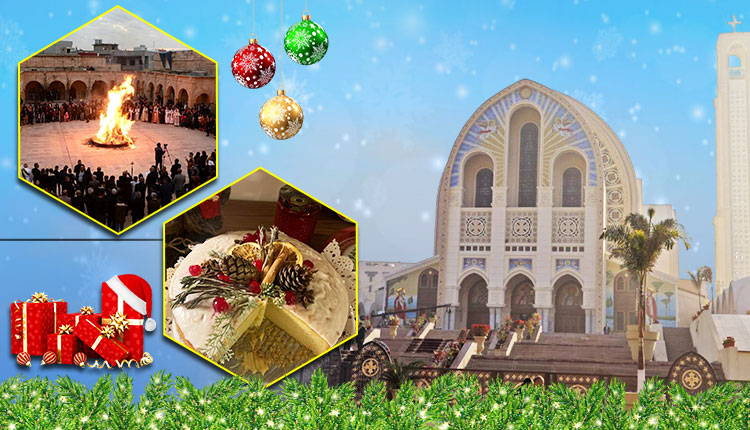
As the calendar turns to December, a tangible excitement permeates the atmosphere. Amidst the festive fervour, one celebration stands out – Christmas, the most enchanting festival of the year. Christmas brings with it a chorus of sparkling lights, merry laughter, and the altruistic spirit of giving. But have you ever stopped to reflect on the genesis of this cherished holiday? When did the tradition of Christmas first commence? Let’s embark on a captivating journey through time to unravel the captivating history of Christmas.
Evolution of Christmas
Christmas, no doubt, is a vibrant blend of customs and traditions from around the world. While many assume that Christmas originated solely as a celebration of Jesus Christ’s birth, the story is more complex. Although Christmas does commemorate the birth of Jesus, the specific tradition of observing this event began in the fourth century. Before that, Easter was the primary celebration for Christians.
In ancient Rome, mid-December was party time with citizens participating in various festivities. The winter solstice, Saturnalia (a festival honoring the god Saturn), and the birthday of the sun god Sol Invictus were all observed around December 25. Interestingly, these celebrations preceded the official establishment of Christmas.

Choosing December 25 as Jesus’ birthday has sparked a lot of debate among historians. There are two main theories behind this choice. One idea is that early Christians picked December 25 to match existing pagan festivals. It was like saying, hey, we’re gonna celebrate Jesus here too. Another idea is that they linked Jesus to the Light of the World theme. After December 25, days get longer and sunnier, so it fit perfectly with Jesus’ message of light and renewal.
While the core of Christmas remains deeply rooted in the commemoration of Jesus Christ’s birth, its rich history reveals a fascinating blend of cultural and religious influences. Over the centuries, Christmas has undergone a remarkable transformation, blossoming from a humble religious observance into a vibrant, globally celebrated phenomenon.
4th Century
In the 4th century, a key decision was made to mark Jesus Christ’s birth on December 25. Back then, Christmas was a serious and reflective holiday, all about thinking about Jesus and his birth.
Christmas during the Middle Ages & Renaissance
Over time, Christmas changed significantly, especially during the Middle Ages. In Europe, it evolved into a time of grand festivities and merriment. People gathered to sing joyful carols, reenact the Nativity story, and attend special church services. Lavish feasts and celebrations became a key part of Christmas, filling the air with warmth, laughter, and community spirit.
Taking Ideas from Other Celebrations: As Christianity spread, it picked up elements from existing winter festivals like Roman Saturnalia and Germanic Yule. This mix of traditions added cool customs to Christmas – decorating homes with greenery, lighting candles, and exchanging gifts. These borrowed traditions made Christmas richer and created a link with the past.

16th Century
In the 16th century, the Protestant Reformation caused a split in how people felt about Christmas. Some loved it, but others were totally against it. Certain Protestant groups thought Christmas was too Catholic, so it was even banned in some places.
Christmas in the Victorian Era (19th Century)
Christmas got a major makeover in Victorian England (19th century). After being kinda unpopular, it bounced back big time and became the celebration we know today. The Victorians brought in traditions like decorated trees, holiday cards, and family gatherings – stuff that’s still a big part of Christmas.
The Victorians’ enthusiasm for Christmas helped shape the holiday into the joyous, sentimental, and deeply personal celebration we cherish today.
Christmas During late 19th and early 20th centuries
Later, in the late 19th and early 20th centuries, Christmas got more commercial. People started focusing on gift-giving more than the spiritual side. And Santa Claus, inspired by Saint Nicholas, became a huge part of it all – the jolly guy symbolizing generosity and kindness. As the holiday became increasingly commercialized, the focus shifted from its spiritual roots to the exchange of gifts. The jolly, gift-giving figure became an integral part of the Christmas narrative, symbolizing the spirit of generosity and kindness.
Amidst the hustle and bustle of festive traditions, the true essence of Christmas continues to shine through, serving as a reminder of the values of love, compassion, and selflessness that define the holiday.